Planning an African safari is one of the most exciting travel decisions you can make. Among the most sought-after wildlife experiences is the chance to see the legendary Big Five—lion, leopard, elephant, buffalo, and rhinoceros—in their natural habitat. While East Africa is home to some of the best safari destinations in the world, choosing between Uganda, Kenya, and Tanzania can be challenging.
Each country offers a unique safari experience shaped by its landscapes, wildlife density, tourism infrastructure, and overall atmosphere. This guide explores how Uganda compares with Kenya and Tanzania when it comes to Big Five safaris, helping you decide which destination best matches your expectations.
Understanding the Big Five Safari Experience
The term “Big Five” originally referred to the five most difficult animals to hunt on foot. Today, it represents the ultimate wildlife viewing checklist for safari enthusiasts. Seeing all five animals in one trip is considered a major achievement, and East Africa is one of the best regions in the world to do so.
However, the experience of tracking these animals varies widely depending on where you go. Factors such as park size, terrain, vegetation, and conservation strategies all influence your chances of spotting the Big Five.
Big Five Safaris in Uganda
Uganda is often referred to as the “Pearl of Africa,” and for good reason. While it is more famous for gorilla and chimpanzee trekking, it also offers rewarding Big Five safari experiences.
The primary destinations for Big Five safaris in Uganda include Murchison Falls National Park, Queen Elizabeth National Park, and Kidepo Valley National Park. Rhinos, which were once extinct in Uganda, can now be seen at Ziwa Rhino Sanctuary.
One of Uganda’s biggest advantages is its diversity. A safari here is not just about the Big Five—it often includes boat cruises along the Nile, forest walks, birdwatching, and cultural encounters. This makes Uganda ideal for travelers seeking a more varied and immersive experience.
However, spotting all Big Five animals in one park is not always guaranteed. You may need to visit multiple locations, especially for rhinos. Wildlife density is also generally lower compared to Kenya and Tanzania, which means sightings can require more patience.
Big Five Safaris in Kenya
Kenya is one of Africa’s most iconic safari destinations, known for its open savannahs and abundant wildlife. The country offers some of the most reliable Big Five sightings in the region.
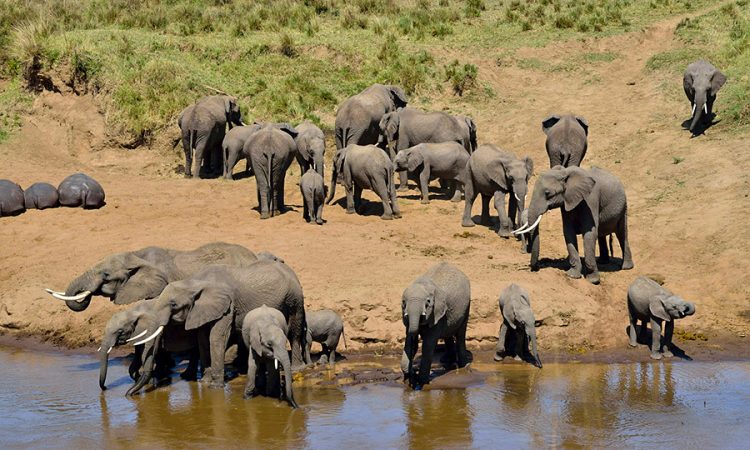
The famous Maasai Mara National Reserve is a highlight, offering excellent chances to see lions, elephants, buffalo, and leopards. Rhinos can also be spotted in protected areas such as Lake Nakuru National Park and Ol Pejeta Conservancy.
Kenya stands out for its accessibility and well-developed tourism infrastructure. Game drives are often highly productive due to the open landscapes, making wildlife easier to spot. The country is also famous for the annual wildebeest migration, one of the greatest wildlife spectacles on Earth.
On the downside, Kenya’s popularity means that some parks can become crowded, especially during peak seasons. This may reduce the sense of exclusivity for travelers seeking a more private safari experience.
Big Five Safaris in Tanzania
Tanzania offers some of the most extensive and untouched wilderness areas in Africa. It is home to world-renowned parks such as Serengeti National Park and the Ngorongoro Crater.
The Serengeti is famous for its vast plains and incredible predator populations, while the Ngorongoro Crater provides one of the best opportunities in Africa to see all Big Five animals in a single day. The enclosed nature of the crater creates a high concentration of wildlife, making sightings almost guaranteed.
Tanzania is ideal for those seeking classic, picture-perfect safari landscapes and abundant wildlife. It also offers a more remote and less crowded experience compared to Kenya in many areas.
However, Tanzania can be more expensive and involves longer travel distances between parks. This may not be ideal for travelers with limited time.
Wildlife Density and Sightings
When comparing Uganda, Kenya, and Tanzania, wildlife density is a key factor.
Kenya and Tanzania generally have higher concentrations of animals, especially in the Maasai Mara and Serengeti ecosystems. This means that Big Five sightings are more frequent and often easier to achieve within a shorter time frame.
Uganda, on the other hand, offers a more relaxed and exploratory safari. Sightings may not be as frequent, but they often feel more intimate and less rushed. The lower visitor numbers also mean you can enjoy wildlife encounters without large crowds.
Landscape and Scenery
Each country offers distinct landscapes that shape the safari experience.
Uganda is incredibly diverse, with lush forests, wetlands, savannahs, and dramatic waterfalls. A visit to Murchison Falls, where the Nile forces its way through a narrow gorge, is a highlight in itself.
Kenya is known for its classic savannah scenery—rolling grasslands dotted with acacia trees. These landscapes are often associated with traditional safari imagery.
Tanzania offers vast, seemingly endless plains, especially in the Serengeti. The Ngorongoro Crater adds a unique geological feature that enhances the overall experience.
Safari Activities Beyond the Big Five
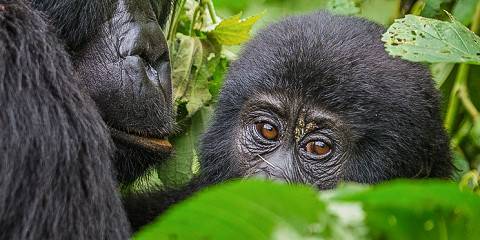
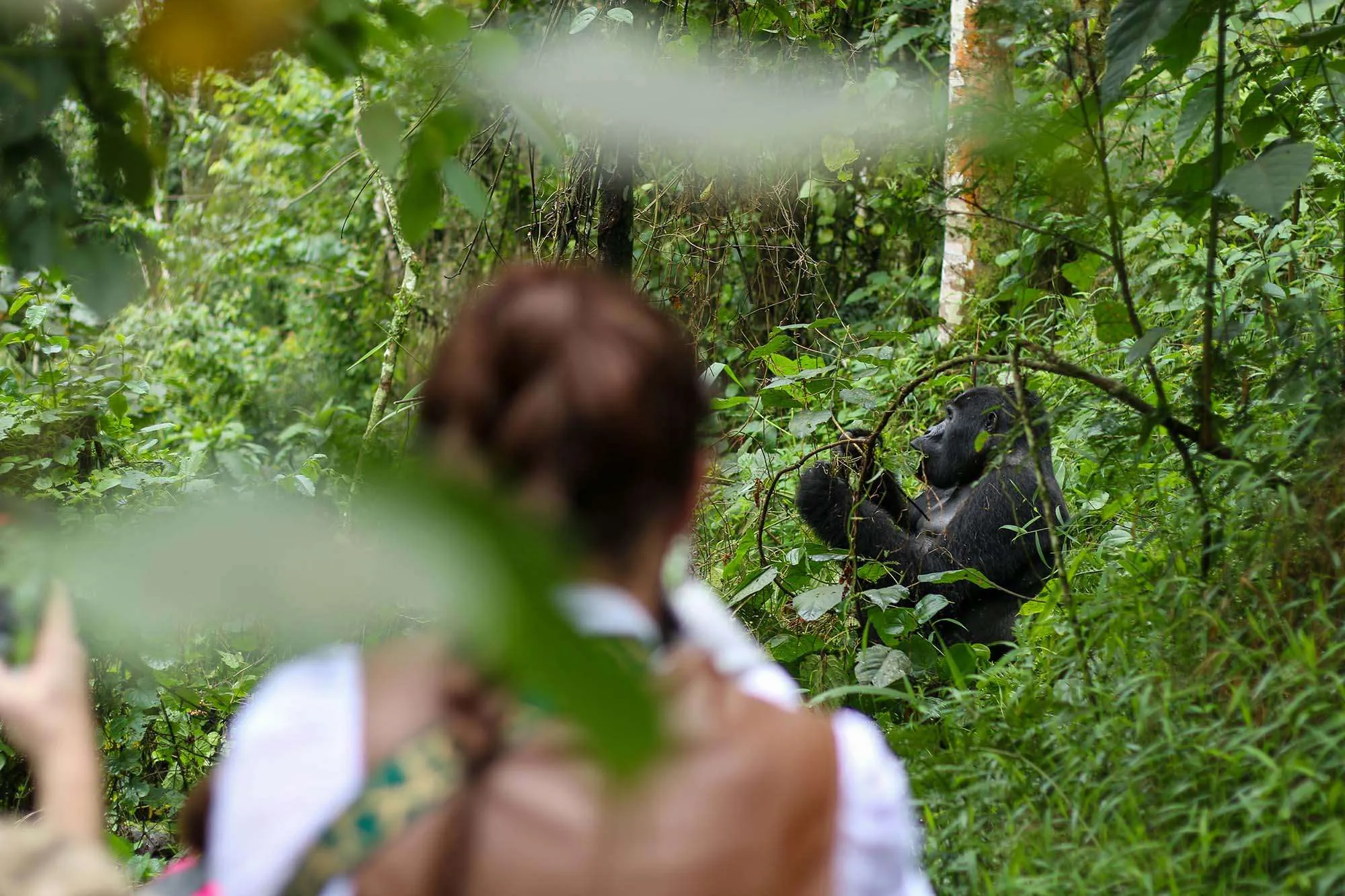
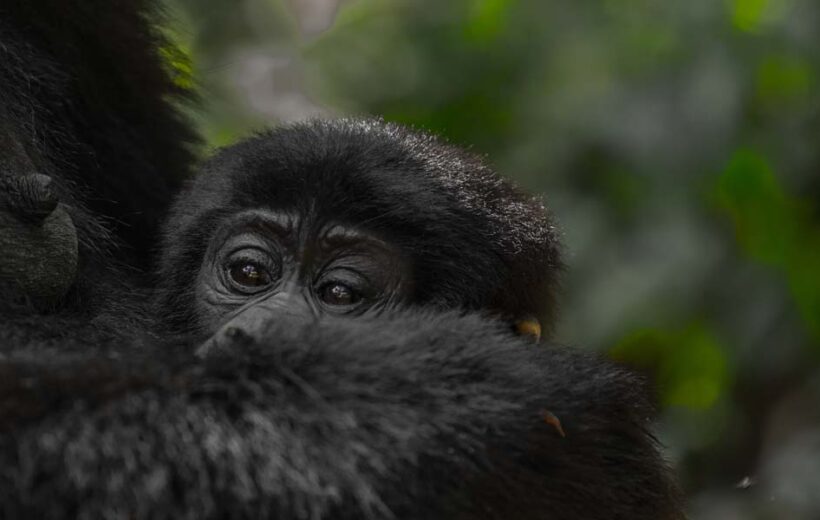
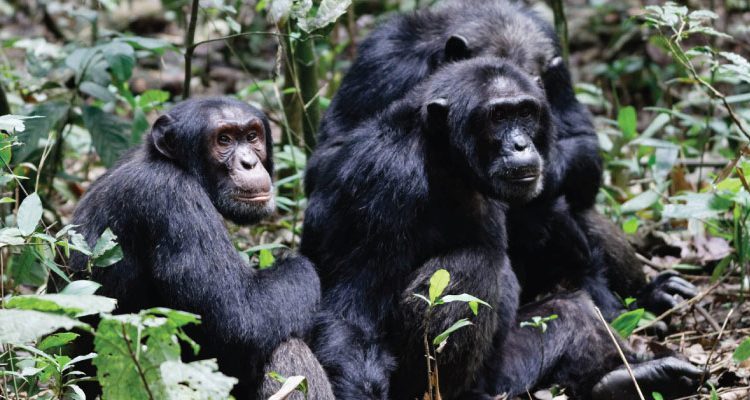
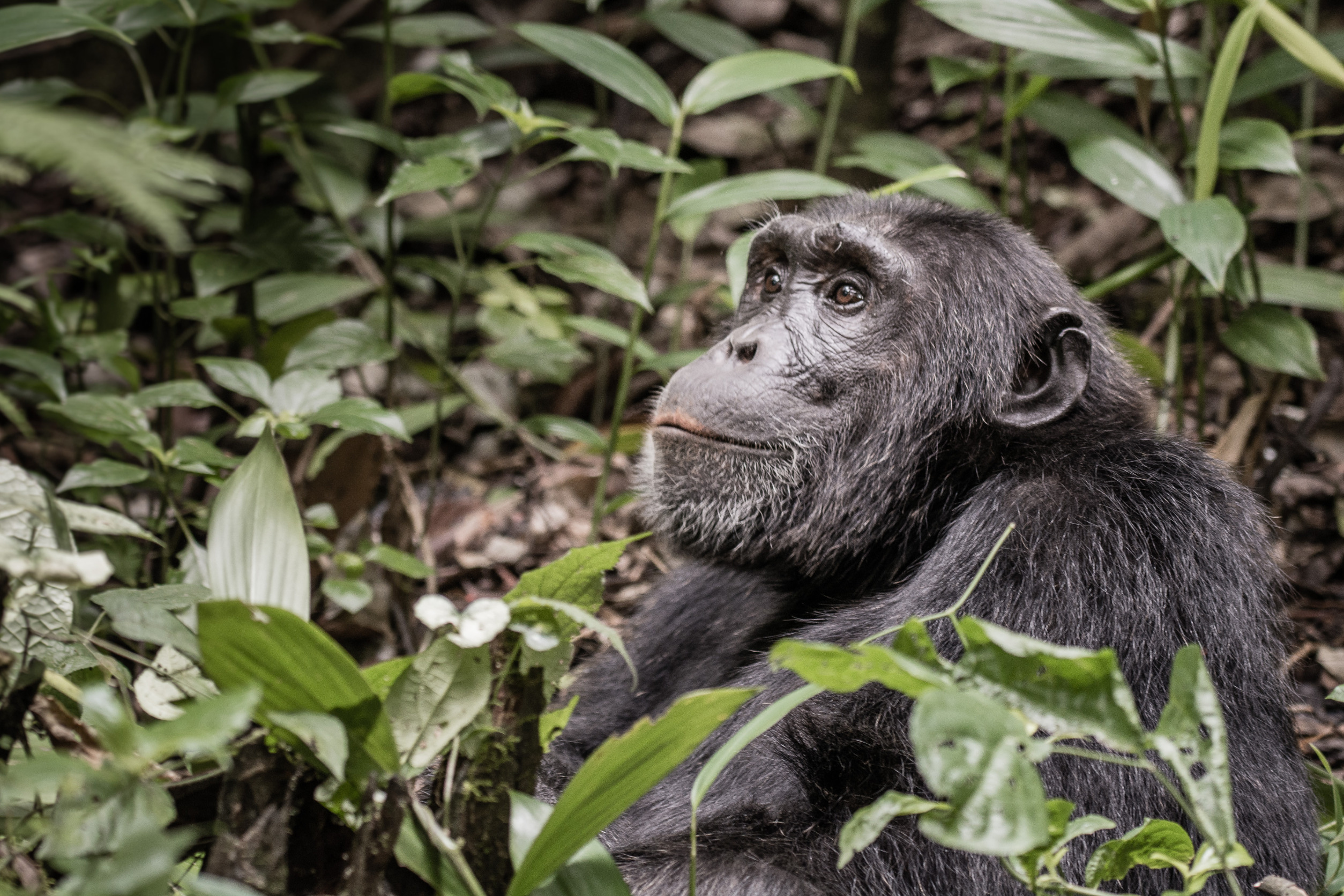
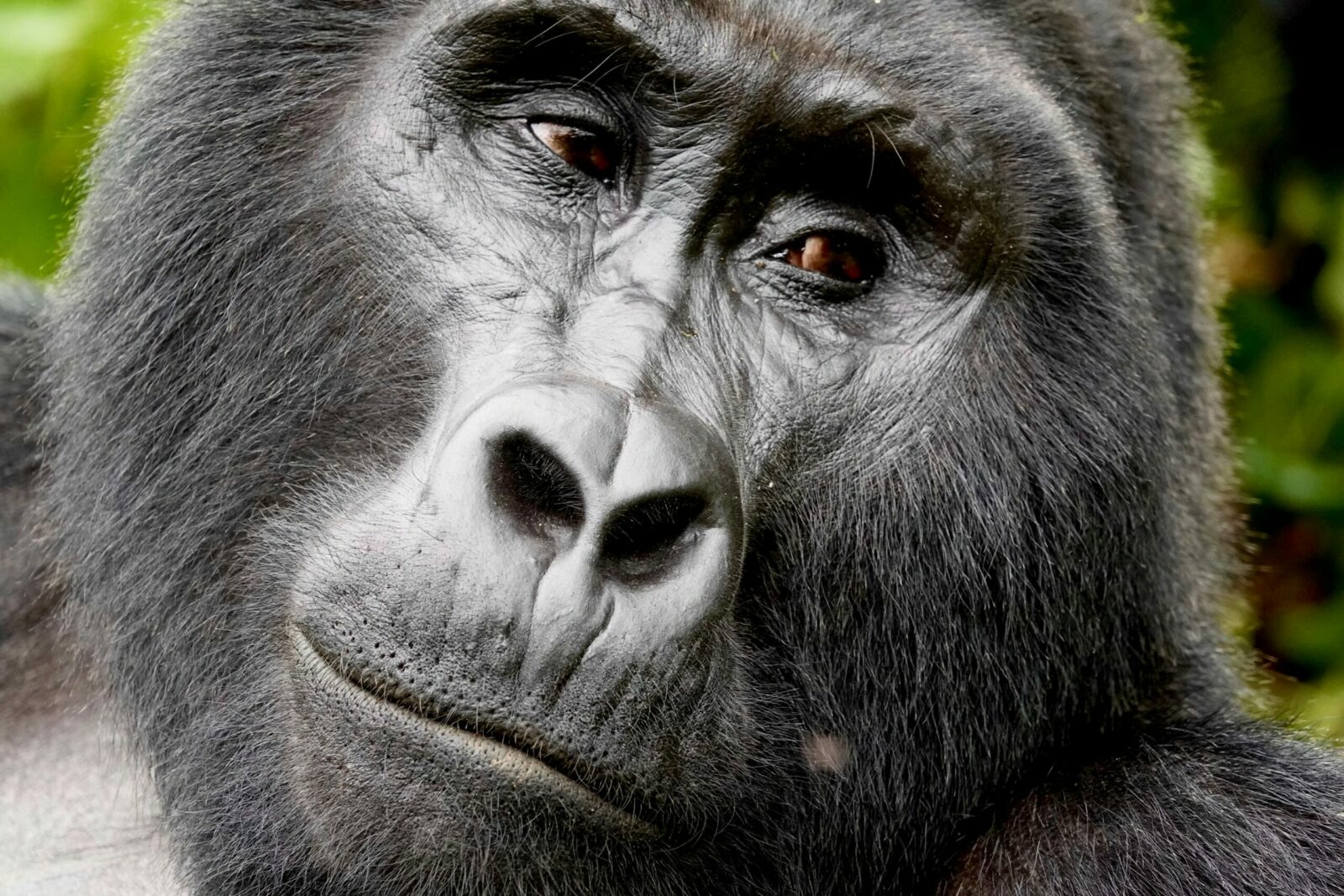
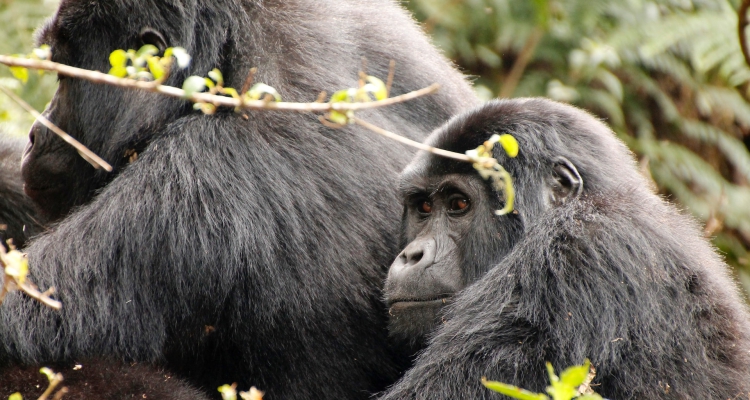
Uganda stands out for its variety of activities beyond traditional game drives. Visitors can enjoy gorilla trekking in Bwindi Impenetrable National Park and chimpanzee tracking in Kibale National Park. These experiences are rarely available in Kenya and Tanzania.
Kenya and Tanzania, while focused primarily on game drives, also offer hot air balloon safaris, cultural visits, and guided walking safaris.
If you are looking for a multi-experience safari that includes primates, Uganda is the clear winner. If your focus is purely on large mammals and classic safaris, Kenya and Tanzania may be more suitable.
Cost and Value for Money
Uganda is generally more affordable compared to Kenya and Tanzania, especially when it comes to park fees and accommodation. This makes it an attractive option for budget-conscious travelers.
Kenya offers a wide range of options, from budget lodges to luxury camps. However, prices can rise significantly during peak seasons, particularly in the Maasai Mara.
Tanzania is often considered the most expensive of the three, especially in high-end safari circuits like the Serengeti and Ngorongoro Crater.
That said, the value you get depends on your expectations. If you prioritize high wildlife density and iconic landscapes, Kenya and Tanzania may justify the higher cost.
Crowds and Safari Atmosphere
Crowds can significantly affect your safari experience.
Uganda offers a more peaceful and less commercialized environment. You can often enjoy game drives without encountering many other vehicles.
Kenya, particularly the Maasai Mara, can become busy during peak seasons. While the wildlife sightings are excellent, the presence of multiple vehicles around animals can detract from the experience.
Tanzania strikes a balance. While some areas are popular, the country’s vast size allows for more secluded experiences, especially in lesser-known parks.
Accessibility and Travel Logistics
Kenya is the most accessible of the three, with well-established international connections and relatively short travel times between parks.
Tanzania requires more planning due to its size, and internal flights are often needed to move between destinations.
Uganda’s road network is improving, but travel times between parks can be longer. However, the journey itself is often scenic and rewarding.
Which Destination Should You Choose?
Choosing between Uganda, Kenya, and Tanzania ultimately depends on what you value most in a safari.
If you want a diverse, off-the-beaten-path experience with fewer crowds and the chance to combine Big Five safaris with primate trekking, Uganda is an excellent choice.
If your priority is high wildlife density, ease of spotting the Big Five, and iconic safari experiences, Kenya is a strong contender.
If you are looking for vast landscapes, exceptional wildlife concentrations, and a more remote feel, Tanzania may be the perfect destination.