Bwindi Gorilla Trekking Experience: What It’s Really Like. Gorilla trekking in Uganda is often described as one of the most powerful wildlife encounters on Earth. Deep within the ancient rainforest of Bwindi Impenetrable National Park, travelers have the rare opportunity to come face-to-face with endangered mountain gorillas in their natural habitat.
But what is the experience really like? Beyond the beautiful photos and dramatic stories, gorilla trekking is a journey that combines physical challenge, emotional connection, and unforgettable moments in the wild. Here’s an honest and detailed look at what you can expect.
The Journey Begins: Early Morning Briefing
Your gorilla trekking day starts early—usually around 7:00 AM at the park headquarters. After arrival, you’ll join a small group of trekkers and meet your ranger guides.
During the briefing, you’ll learn about gorilla behavior, trekking rules, and safety guidelines. You’ll also be assigned a specific gorilla family to track. Each group is limited to a small number of visitors to ensure minimal disturbance to the animals.
This is also the time to hire a porter if you need help carrying your backpack. While optional, porters are highly recommended—not just for support, but also to contribute to local community livelihoods.
Into the Forest: The Trek Itself
Once the briefing is complete, the adventure begins. You’ll head into the dense rainforest of Bwindi, a UNESCO World Heritage Site known for its incredible biodiversity.
The trek can take anywhere from 30 minutes to several hours, depending on the location of the gorilla family. There is no fixed trail—guides cut through thick vegetation, climb steep slopes, and navigate muddy terrain.
Expect:
- Dense forest with limited visibility
- Slippery and uneven ground
- Steep hills and valleys
- Occasional rain showers
This is not a casual walk—it can be physically demanding. However, the guides move at a pace suitable for the group, and frequent breaks are taken along the way.
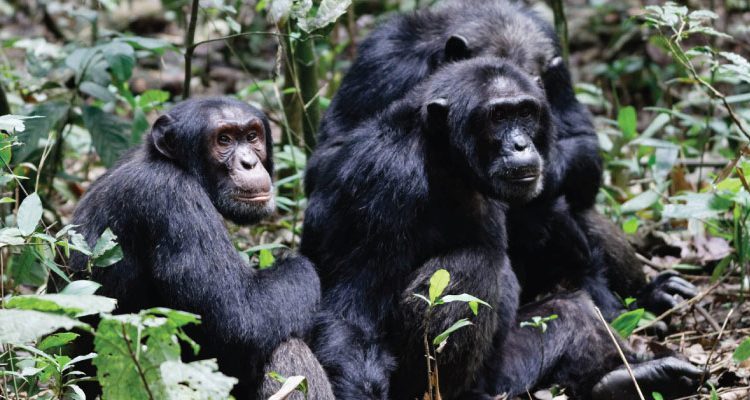
Along the trek, you may encounter other wildlife, hear birds calling overhead, or spot monkeys swinging through the trees. The forest itself feels alive, adding to the sense of anticipation.
The Moment You Find the Gorillas
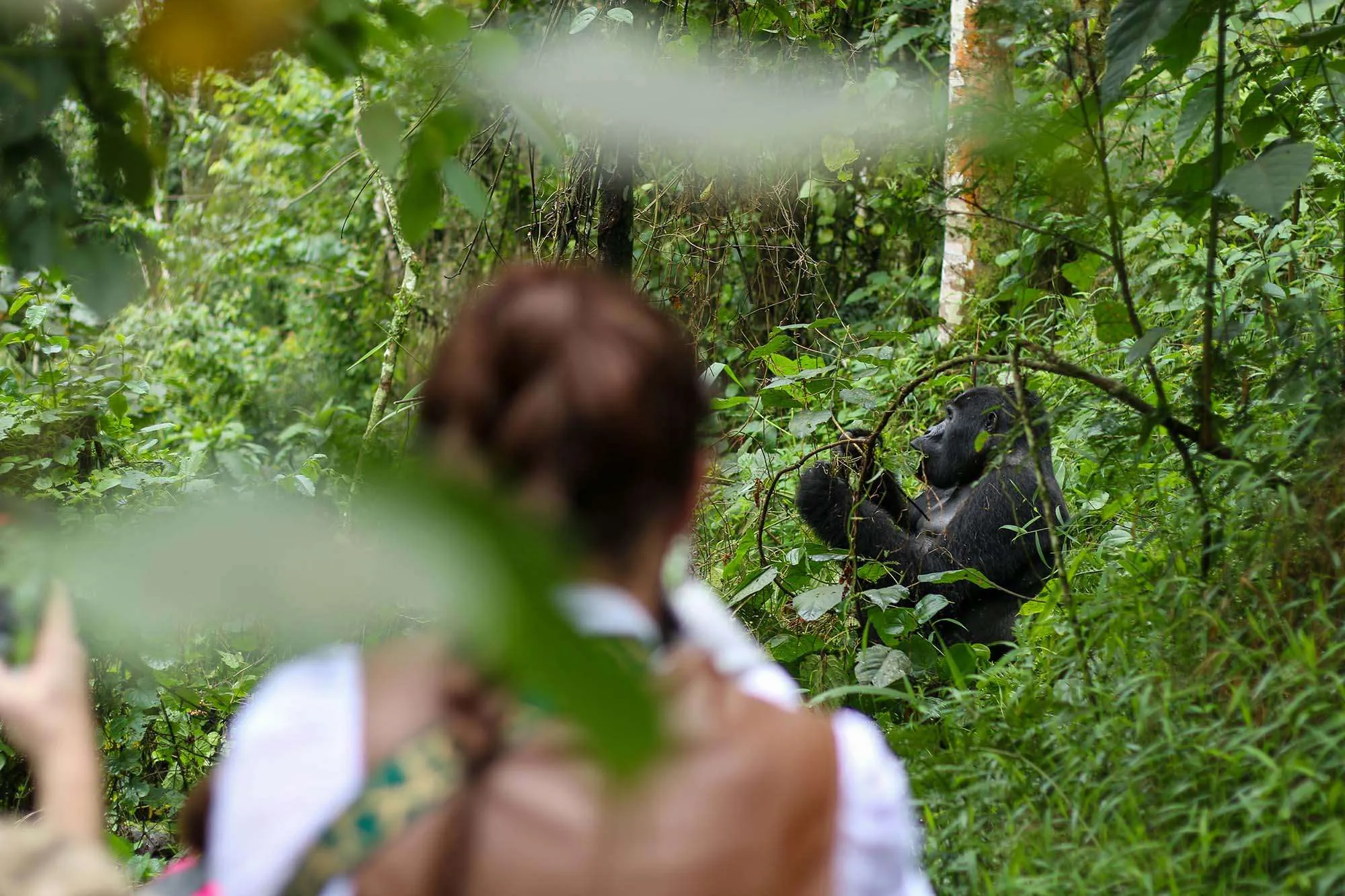
After hours of trekking, the moment finally arrives. The guides signal that the gorillas are near, and you are asked to leave your bags behind with the porters.
As you approach quietly, your heart begins to race. Then suddenly, through the thick foliage—you see them.
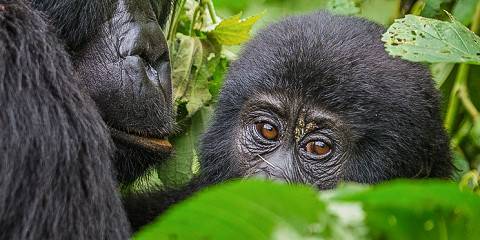
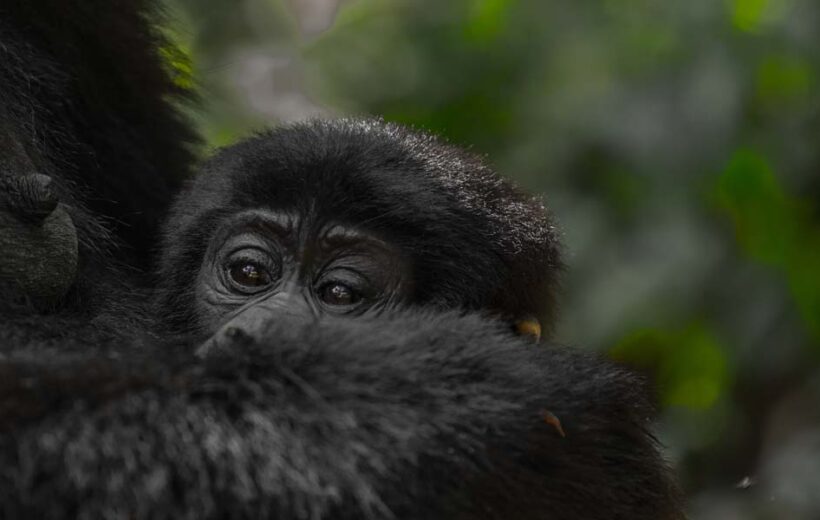
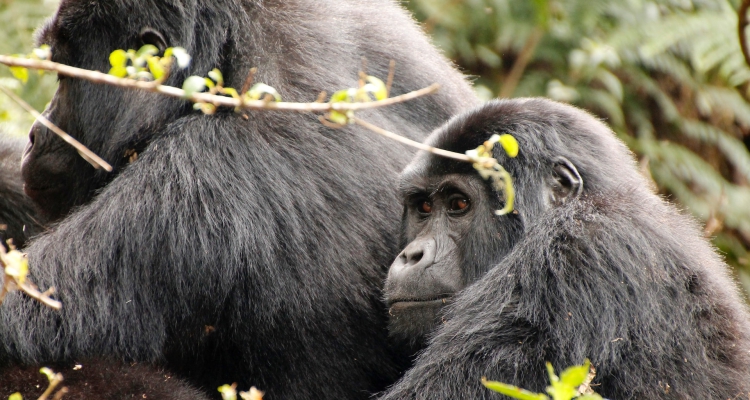
A massive silverback resting calmly. Young gorillas playing. Mothers grooming their infants.
It’s a surreal experience.
Unlike animals in a zoo, these gorillas are completely wild. Yet, they are habituated to human presence, meaning they are comfortable with visitors as long as rules are followed.
You are allowed to spend one hour with the gorillas. That hour feels both incredibly long and far too short at the same time.
What It Feels Like to Be There
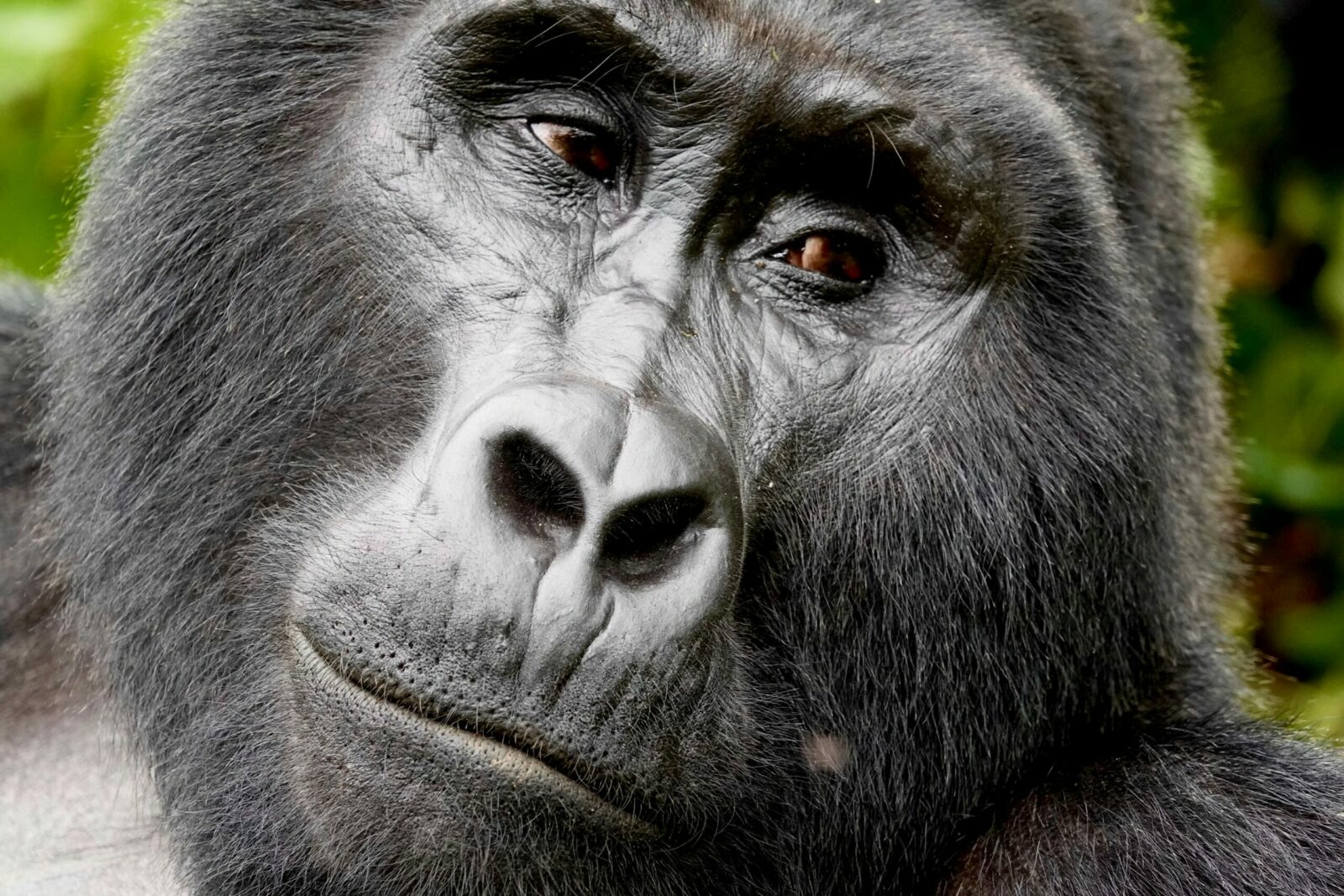
Being in the presence of mountain gorillas is deeply emotional. There’s a quiet connection that’s hard to explain until you experience it yourself.
You’ll notice:
- Their human-like expressions
- The way they interact with each other
- The intelligence in their eyes
- The calm authority of the silverback
At times, gorillas may move very close—sometimes just a few meters away. While this can feel intense, guides are always there to ensure safety and maintain proper distance.
Many trekkers describe this moment as humbling, powerful, and life-changing.
The Rules You Must Follow
To protect both visitors and gorillas, strict rules are enforced during the trek:
- Maintain a distance of at least 7 meters
- Do not touch the gorillas
- Avoid direct eye contact with the silverback
- Keep your voice low and movements slow
- Do not visit if you are sick
These rules are essential for conservation and ensure that future generations can continue to experience gorilla trekking.
The Physical Challenge: Is It Difficult?
Gorilla trekking can be physically demanding, but it is manageable for most people with a reasonable level of fitness.
The difficulty depends on:
- The location of the gorilla family
- Weather conditions
- Your fitness level
Some treks are relatively easy, while others involve steep climbs and long hours. Hiring a porter can make a big difference, especially on challenging routes.
It’s important to come prepared with:
- Good hiking boots
- Long-sleeved clothing
- Rain gear
- Plenty of water
Despite the effort, the reward at the end makes every step worthwhile.
After the Trek: A Sense of Achievement
Once your hour with the gorillas ends, you begin the trek back. While the return journey can still be tiring, it often feels lighter—partly due to the emotional high of the experience.
At the end of the trek, you receive a certificate as a reminder of your achievement. More importantly, you leave with memories that will stay with you for a lifetime.
Conservation and Community Impact
Gorilla trekking in Bwindi Impenetrable National Park plays a vital role in conservation.
Permit fees contribute directly to:
- Protecting endangered mountain gorillas
- Funding park management
- Supporting local communities
This model has helped increase gorilla populations over the years, making Uganda one of the leading success stories in wildlife conservation.
By participating in gorilla trekking, you are not just a visitor—you are part of a global effort to protect these incredible animals.
Tips for the Best Gorilla Trekking Experience
To make the most of your trek, consider the following tips:
- Book permits well in advance
- Choose the right sector based on fitness level
- Hire a porter for support
- Start the trek with a positive mindset
- Follow all guide instructions carefully
Being mentally prepared is just as important as physical readiness.
Is It Worth It?
Gorilla trekking is not cheap, nor is it easy—but it is absolutely worth it.
Few experiences in the world bring you this close to wildlife in such a raw and meaningful way. It’s not just about seeing gorillas—it’s about stepping into their world, even if only for an hour.
For many travelers, this becomes the highlight of their entire trip to Africa.