Gorilla Habituation Experience in Uganda: Worth It or Not? If you’re planning a gorilla safari in Uganda, you’ve probably come across the “gorilla habituation experience”—a more immersive (and more expensive) alternative to standard trekking. But is it really worth the extra cost and effort?
Set deep inside Bwindi Impenetrable National Park, this unique experience offers something very different from the typical one-hour gorilla encounter. Here’s an honest, detailed breakdown to help you decide.
What Is Gorilla Habituation?
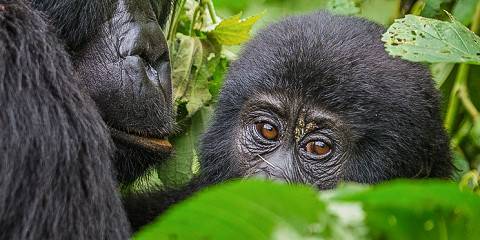
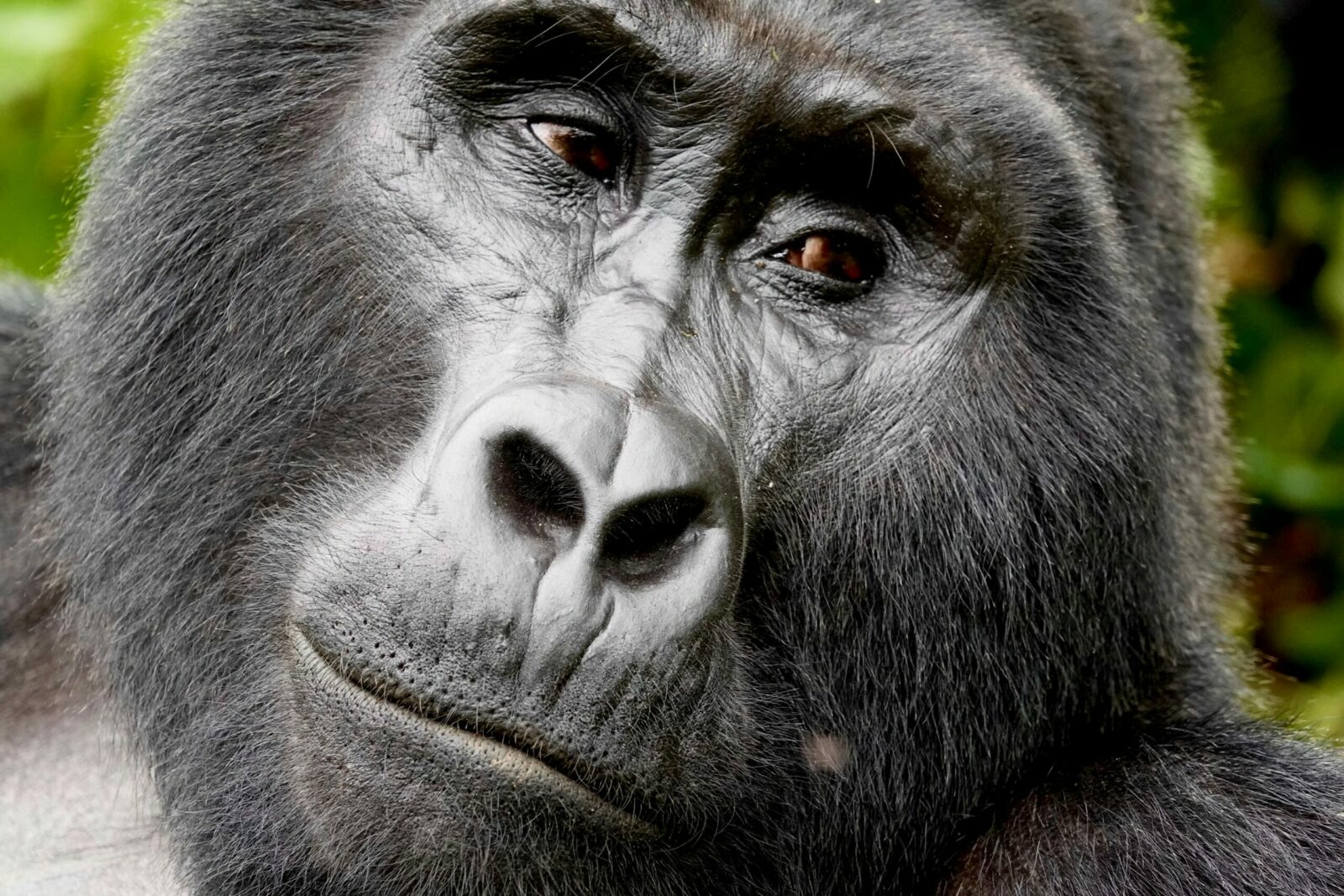
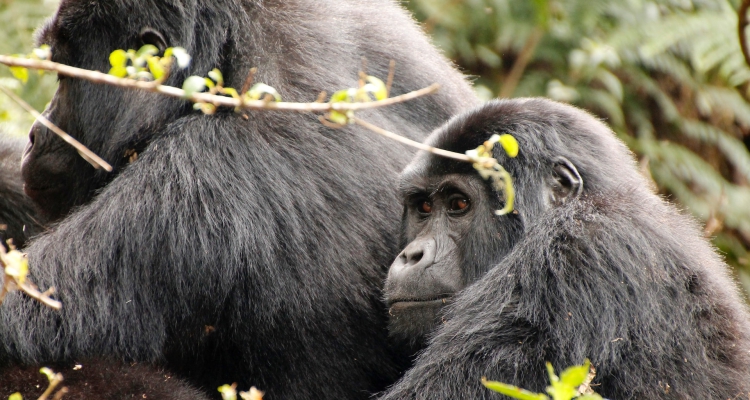
Gorilla habituation is the process of slowly introducing wild mountain gorillas to human presence so they become comfortable enough for tourism and research.
Unlike standard gorilla trekking, where gorillas are already used to humans, this experience allows you to:
- Join researchers and rangers in the field
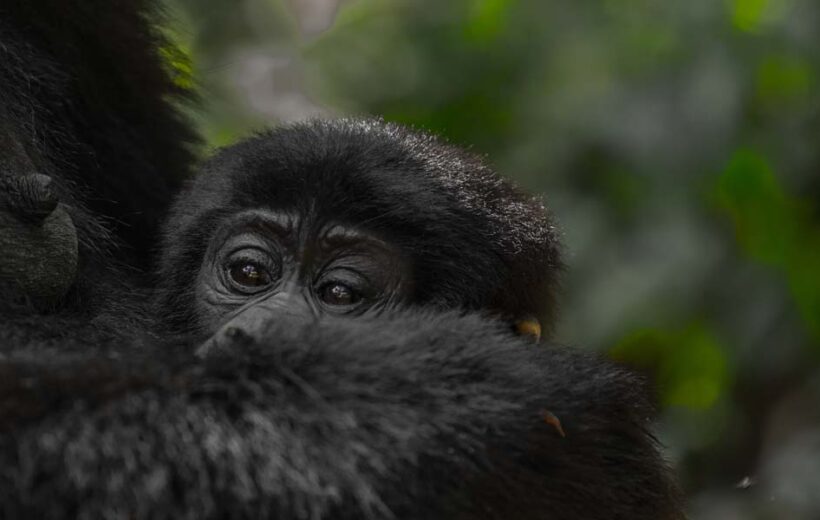
- Observe semi-habituated gorillas (still adapting to humans)
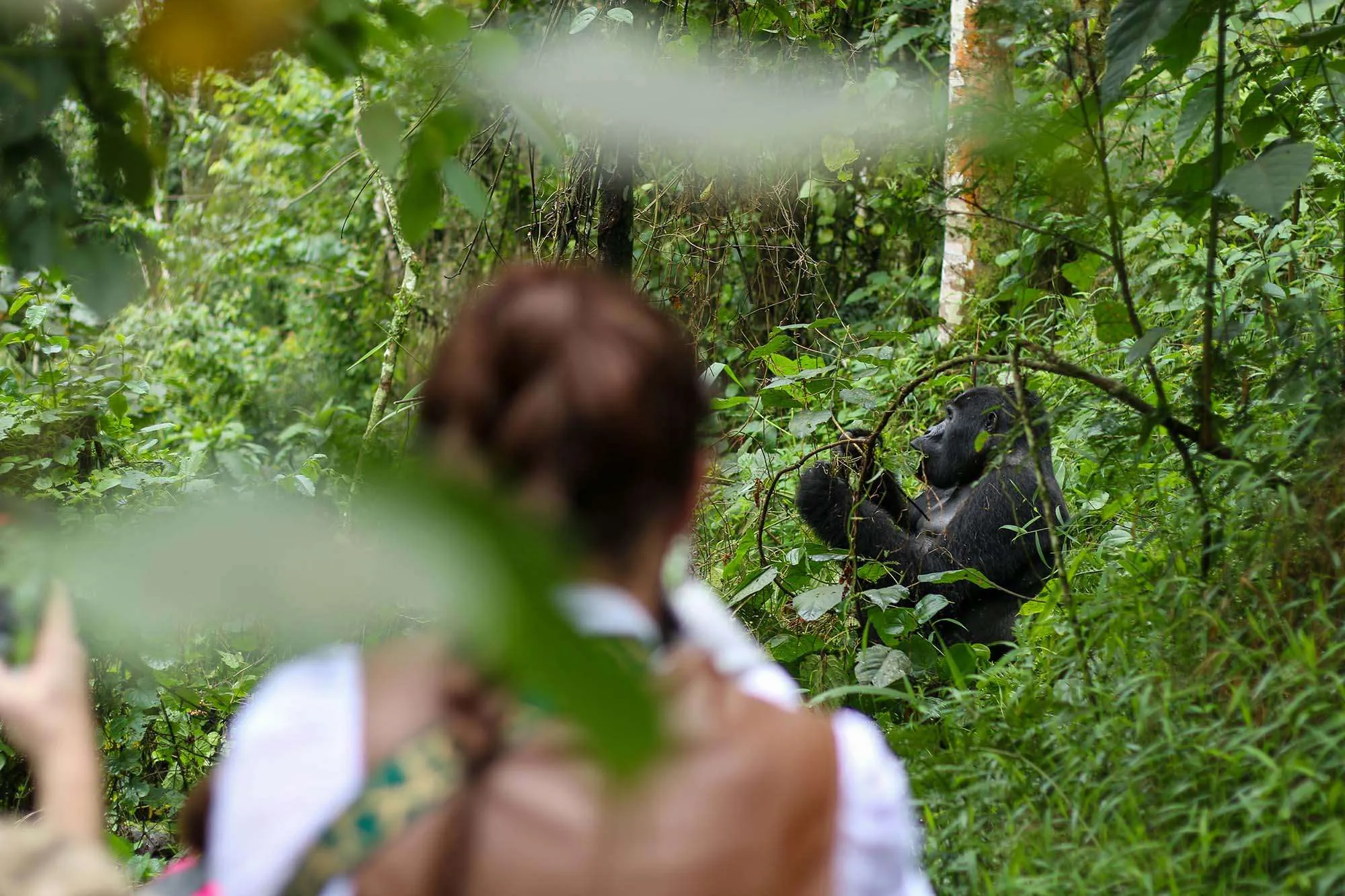
- Spend up to 4 hours with them instead of just one
It’s only available in the Rushaga sector of Bwindi and is limited to very small groups (usually 4 people) .
How Is It Different from Normal Gorilla Trekking?
The biggest differences come down to time, depth, and experience.
Standard Gorilla Trekking:
- 1 hour with gorillas
- Fully habituated families
- Larger groups (up to 8 people)
Gorilla Habituation Experience:
- Up to 4 hours with gorillas
- Semi-habituated (more natural behavior)
- Very small groups (max 4 people)
This makes habituation more immersive, more exclusive, and more “raw.”
What the Experience Is Really Like
The day starts early with a briefing before heading into the dense rainforest of Bwindi Impenetrable National Park.
The trek can take several hours—sometimes even longer than a normal trek—because the gorillas are not fully predictable. Once found, you spend hours observing:
- Feeding patterns
- Social interactions
- Grooming and communication
- Movement through the forest
You are not just a visitor—you’re part of the conservation process, walking alongside trackers and researchers.
It’s slower, deeper, and far more educational than a standard trek.
The Cost: Why Is It More Expensive?
A gorilla habituation permit costs about $1,500 per person, compared to around $800 for standard trekking .
Why the higher price?
- Longer time with gorillas (4 hours vs 1 hour)
- Smaller, exclusive groups
- Direct involvement with researchers
- Contribution to conservation efforts
It’s essentially a premium, in-depth wildlife experience.
Pros: Why It’s Worth It
1. More Time with Gorillas
Spending four hours instead of one allows you to truly observe and understand gorilla behavior without feeling rushed.
2. More Exclusive Experience
With only four visitors per group, it feels private and personal—no crowds, no pressure.
3. Deeper Understanding of Gorillas
You witness the habituation process itself, learning how gorillas gradually accept human presence.
4. Better Photography Opportunities
More time means better chances for unique angles, lighting, and behavior shots.
5. Strong Conservation Impact
Your participation directly supports research and long-term gorilla protection.
Cons: Why It Might Not Be Worth It for Everyone
1. Higher Cost
At nearly double the price of regular trekking, it’s a significant investment.
2. More Physically Demanding
The trek can be longer and more intense, sometimes lasting a full day in the forest .
3. Less Predictable Encounters
Since the gorillas are not fully habituated, they may move away or be harder to observe at times.
4. Longer Time Can Be Exhausting
Four hours in the forest sounds amazing—but it can be physically and mentally tiring for some travelers.
Who Should Choose Gorilla Habituation?
This experience is ideal for:
- Wildlife enthusiasts and photographers
- Travelers who want a deeper, less commercial experience
- Conservation-minded visitors
- Repeat visitors who have already done standard trekking
It may not be the best choice for:
- First-time travelers on a tight budget
- Those with limited time
- Visitors who prefer shorter, easier activities
Is It Better Than Normal Gorilla Trekking?
Not necessarily—it depends on your expectations.
- If you want a classic, shorter, more affordable experience, standard trekking is perfect.
- If you want a deeper, more immersive, once-in-a-lifetime encounter, habituation is unmatched.
Both are incredible—but very different.