
Volcanoes National Park
Things To Do in Volcanoes National Park
Gorilla Trekking
Enjoy unforgettable encounters with endangered mountain gorillas in the misty Virunga forests.
Golden Monkey Trekking
Track lively golden monkeys as they leap through bamboo forests on the park’s slopes.
Volcano Hiking
Hike Mount Bisoke or Karisimbi and enjoy breathtaking volcanic landscapes.
Cultural Experiences
Engage with local communities and learn about Rwanda’s traditions and heritage.
Photography
Capture dramatic volcanoes, lush greenery, wildlife, and scenic panoramas.
Volcanoes National Park is one of Africa’s most celebrated conservation areas and Rwanda’s premier wildlife destination. Nestled in the northwestern part of the country, this spectacular park is world-renowned for protecting the endangered mountain gorillas and for its dramatic scenery dominated by ancient volcanic peaks. With its misty forests, rich biodiversity, and strong conservation legacy, Volcanoes National Park offers one of the most powerful and life-changing safari experiences on the continent.
Location and Overview
Volcanoes National Park lies in northwestern Rwanda, bordering Uganda’s Mgahinga Gorilla National Park and Virunga National Park in the Democratic Republic of Congo. The park covers approximately 160 square kilometers and forms part of the greater Virunga Conservation Area, a transboundary ecosystem critical to the survival of mountain gorillas.
The park is located about 2–3 hours’ drive from Kigali, Rwanda’s capital, making it one of the most accessible gorilla trekking destinations in Africa. Despite its relatively small size, Volcanoes National Park is incredibly rich in wildlife, landscapes, and cultural significance.
The Virunga Volcanoes Landscape
The park derives its name from the Virunga Volcanoes, a chain of eight extinct and active volcanoes that stretch across Rwanda, Uganda, and the DRC. Five of these volcanoes lie within Rwanda’s borders:
Mount Karisimbi – the highest volcano at 4,507 meters
Mount Bisoke – famous for its stunning crater lake
Mount Muhabura – marking the border with Uganda
Mount Gahinga
Mount Sabyinyo – known for its jagged peaks
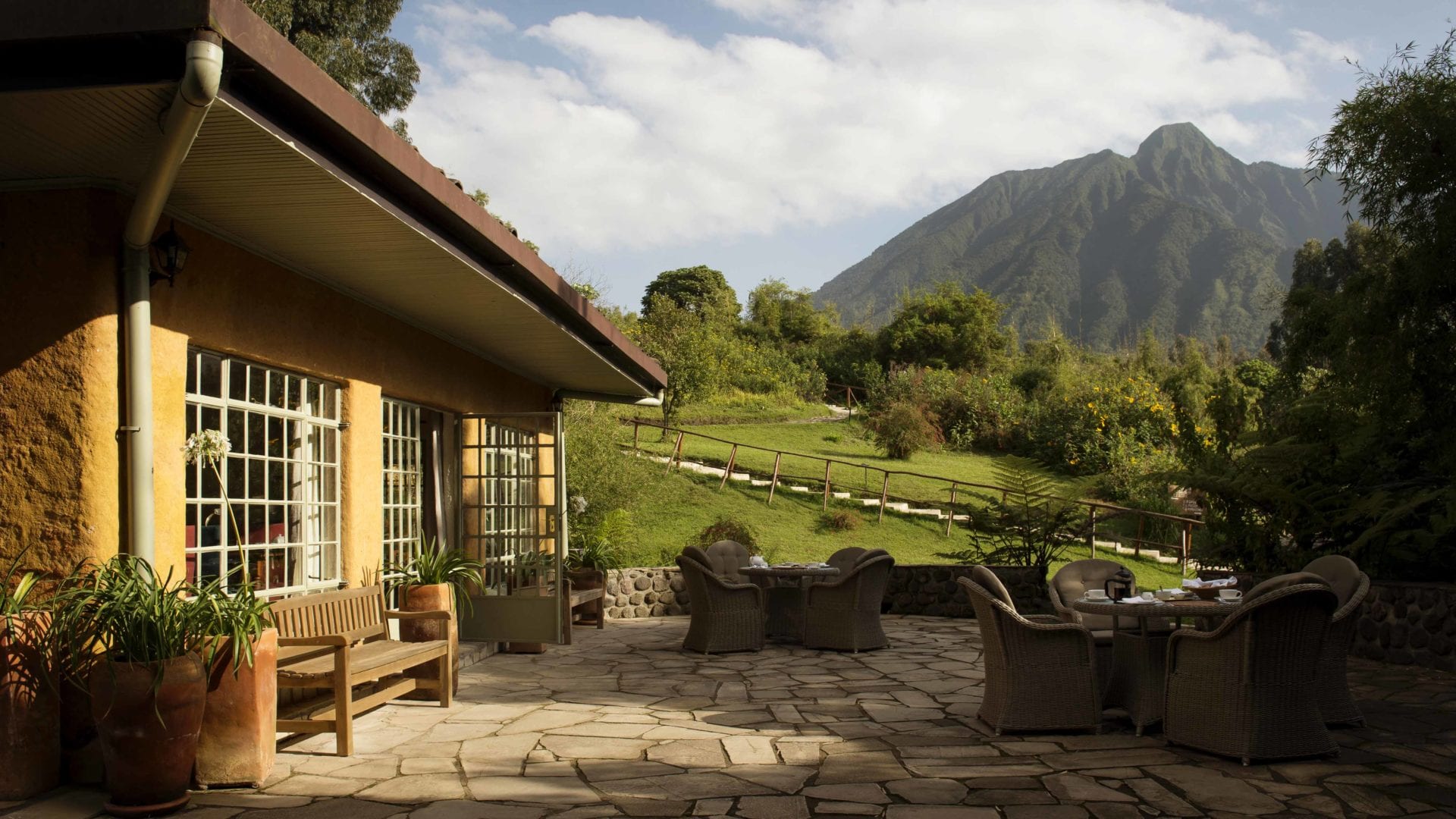
These towering volcanoes create a dramatic backdrop of mist-covered slopes, bamboo forests, and alpine vegetation, giving the park its magical atmosphere. Elevations range from about 2,400 to over 4,500 meters, resulting in cool temperatures and frequent rainfall throughout the year.
Mountain Gorillas: The Park’s Greatest Treasure
Volcanoes National Park is most famous as a sanctuary for the critically endangered mountain gorillas. It is home to several habituated gorilla families that visitors can track daily under strict conservation regulations.
Gorilla trekking here offers a rare opportunity to spend one unforgettable hour observing these gentle giants in their natural habitat. Visitors may witness gorillas feeding, grooming, playing, or caring for their young—moments that create a deep emotional connection and lasting memories.
Thanks to strong conservation efforts, gorilla populations in the Virunga region have been steadily increasing, making Volcanoes National Park a global success story in wildlife protection.
Other Wildlife and Biodiversity
Although gorillas are the main attraction, Volcanoes National Park supports a wide variety of wildlife and plant species. The park is dominated by afro-montane and bamboo forests, which provide habitat for many animals.
Mammals
Golden monkeys
Black-fronted duikers
Bushbuck
Spotted hyenas
Forest elephants (rarely seen)
Primates
Golden monkeys, another major highlight, are endemic to the Virunga region and are easily spotted during dedicated tracking experiences.
Birdlife
The park is a paradise for bird enthusiasts, with over 200 bird species, including several Albertine Rift endemics such as:
Ruwenzori turaco
Handsome francolin
Dusky crimsonwing
Golden Monkey Tracking
Golden monkey tracking is a popular alternative or complement to gorilla trekking. These playful, endangered primates live in the bamboo forests at lower elevations and are known for their energetic behavior and striking golden-orange fur.
The trek is generally less strenuous than gorilla trekking and offers excellent photographic opportunities, making it ideal for travelers seeking a lighter adventure.
Hiking and Volcano Climbing
Volcanoes National Park is also a top destination for hikers and adventure travelers. Several guided hikes are available, ranging from short nature walks to challenging volcano climbs.
Popular Hiking Activities
Mount Bisoke Hike: A full-day hike leading to a beautiful crater lake at the summit
Mount Karisimbi Climb: A demanding two-day trek to Rwanda’s highest peak
Mount Muhabura Hike: Offering panoramic views of Rwanda and Uganda
These hikes provide incredible scenery, diverse vegetation zones, and a sense of achievement for adventurous visitors.
Dian Fossey Tomb and Research Center
One of the park’s most historically significant attractions is the Dian Fossey Tomb and Karisoke Research Center hike. This trek takes visitors through scenic forest trails to the site where the renowned primatologist lived and worked while studying mountain gorillas.
The hike offers insight into the history of gorilla conservation and the challenges faced in protecting these animals, while also providing chances to see forest wildlife along the way.
Climate and Best Time to Visit
Volcanoes National Park experiences a cool, moist climate due to its high altitude. Temperatures generally range between 10°C and 20°C, with mornings and evenings often chilly.
Best Time to Visit
Dry seasons: June–September and December–February
Easier trekking conditions
Better visibility for photography
Wet seasons: March–May and October–November
Lush, green landscapes
Fewer visitors and sometimes better permit availability
Gorilla trekking is available year-round, and each season offers a unique experience.
Gorilla Trekking Permits and Regulations
Gorilla trekking in Volcanoes National Park is strictly regulated to protect the animals and their habitat.
A limited number of permits are issued daily
Treks are conducted in small groups
Visitors must be at least 15 years old
Time spent with gorillas is limited to one hour
These rules ensure minimal disturbance to the gorillas while providing visitors with a meaningful and ethical wildlife experience.