
Kidepo Valley National Park
Things To Do in Kidepo Valley National Park
Game Drives
Spot elephants, lions, leopards, giraffes, and the unique Kidepo wildlife on guided safaris.
Bird Watching
Observe over 470 bird species, including raptors, waterbirds, and savannah endemics.
Photography
Capture vast savannah landscapes, wildlife, and dramatic sunsets in this remote park.
Guided Walks
Take expert-led walking safaris to explore the park’s flora, fauna, and hidden gems.
Sunset Safaris
Enjoy breathtaking sunsets over the plains and hills of Kidepo Valley.
Cultural Visits
Engage with the Karamojong people to learn about their traditional lifestyle and customs.
Camping & Lodges
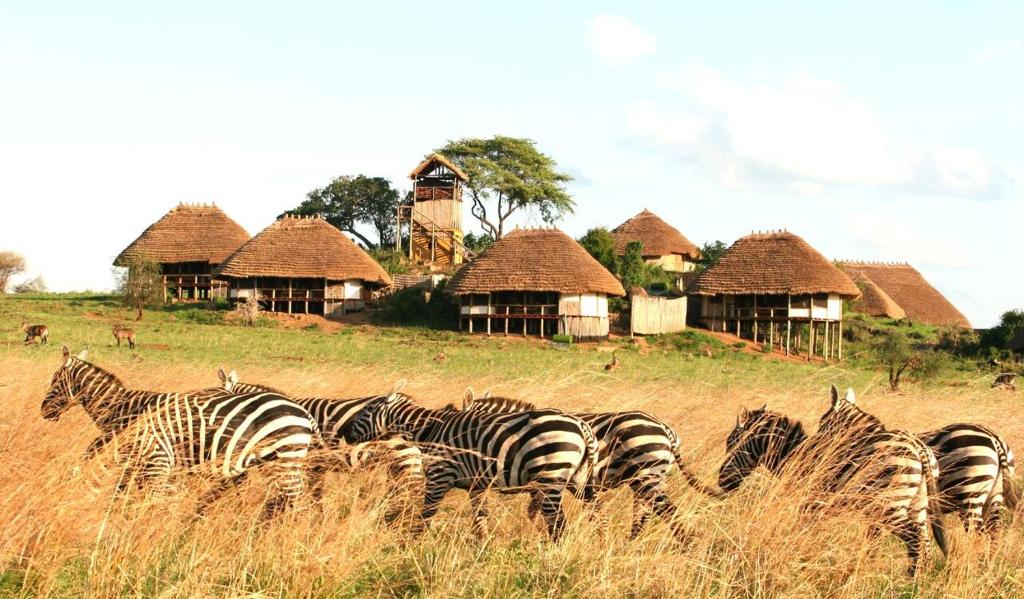
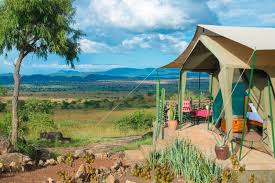
Stay in eco-lodges or campsites inside or near the park for a full wilderness experience.
River Trails
Explore seasonal rivers and wetlands to spot wildlife and birdlife up close.
Walking Safaris
Experience intimate wildlife encounters and learn from experienced guides.
Scenic Views
Hike hills and vantage points for panoramic views of the valley and savannah.
Kidepo Valley National Park is Uganda’s most remote and pristine national park, offering travelers a true wilderness experience far from crowded safari routes. Located in northeastern Uganda, near the border with South Sudan, Kidepo covers approximately 1,442 square kilometers, making it one of the country’s largest protected areas. The park’s isolation has preserved its landscapes and wildlife in near-natural conditions, with expansive savannah plains, rugged hills, and dry river valleys. Visitors are rewarded with large herds of wildlife, predator sightings, and unique desert-adapted species that are rarely seen elsewhere in Uganda. The park is also culturally rich, with local communities such as the Karamojong people living nearby, adding a cultural dimension to the safari experience. Kidepo’s combination of remoteness, scenic beauty, and wildlife abundance makes it a bucket-list destination for adventurous safari-goers seeking authentic African wilderness.
Location and Accessibility
Kidepo Valley National Park is situated in Karamoja sub-region, in the far northeastern corner of Uganda. It borders South Sudan to the north and Kenya to the east, forming part of the larger East African savannah ecosystem. The park is approximately 530 kilometers from Kampala, Uganda’s capital, and can be accessed by road or air. Most visitors opt for domestic flights to Kidepo Airstrip or Moroto Airstrip, followed by short drives to lodge accommodations. Road travel from Kampala is possible but requires careful planning due to the remote terrain and occasional poor road conditions, particularly during the rainy season. The park’s location near the Karamoja region ensures that visitors experience a unique blend of arid savannah landscapes, seasonal rivers, and rocky outcrops, setting it apart from Uganda’s central and western parks. Its remoteness guarantees uncrowded safari experiences and the opportunity to observe wildlife in a tranquil environment.
Landscapes and Scenery
Kidepo Valley National Park features a stunning and diverse landscape shaped by its arid climate, rolling savannahs, and rugged mountain ranges. The park is dominated by open grasslands interspersed with acacia trees, rocky kopjes, and dry riverbeds, creating dramatic vistas that are ideal for wildlife photography. The Mathew, Narus, and Kidepo rivers flow seasonally through the park, forming lush patches of vegetation that attract wildlife, particularly during the dry season. To the north, the Imatong Mountains in South Sudan provide a scenic backdrop, while the park’s western hills offer elevated viewpoints for panoramic photography. This combination of open plains, dry river valleys, and rocky hills creates a landscape that is both visually striking and ecologically important, providing habitats for diverse species, from desert-adapted antelopes to lions, cheetahs, and large herds of elephants that roam freely across the park.
Wildlife Diversity
Kidepo Valley National Park is home to some of Uganda’s richest wildlife populations, making it a prime destination for safari enthusiasts. The park boasts the Big Five: lions, elephants, leopards, buffaloes, and rhinos (historically, though rhinos are no longer present). Its remote location allows wildlife to thrive in a natural setting with minimal human interference. Herds of African elephants, buffaloes, zebras, and giraffes roam the savannahs, while predators such as lions, cheetahs, and leopards stalk the grasslands. Kidepo is also famous for its rare and desert-adapted species, including the oribi antelope, the striped hyena, and the lesser kudu. Seasonal migrations bring large concentrations of plains animals to the park’s rivers, while nocturnal wildlife can be observed on night game drives. The park’s diversity and relative solitude make wildlife encounters intimate, with visitors often observing herds and predators at close range in a truly untouched wilderness setting.
Birdlife
Kidepo Valley National Park is a birdwatcher’s paradise, hosting over 450 species of birds, making it one of Uganda’s richest avian habitats. The park’s mix of arid savannah, dry river valleys, and seasonal wetlands provides diverse niches for both resident and migratory birds. Notable species include the Gambaga flycatcher, Abyssinian ground hornbill, vulturine guineafowl, and ostriches, which are rarely seen elsewhere in Uganda. The rivers and wetlands attract waterbirds such as egrets, herons, and kingfishers, while the rocky kopjes provide nesting sites for raptors like the Martial eagle and the African hawk-eagle. Birding is best during the early mornings and late afternoons when the park’s avian activity peaks. Guided birding walks and drives can enhance the experience, helping visitors spot elusive or rare species. For photographers and nature enthusiasts, Kidepo provides spectacular opportunities to capture colorful and exotic birds in their natural savannah and woodland habitats.
Cultural and Community Experiences
Kidepo Valley National Park is not only a wildlife destination but also a center for cultural interaction. The Karamojong people, semi-nomadic pastoralists, live in communities surrounding the park. Visitors can learn about their traditional way of life, including cattle herding, traditional dances, and craftsmanship such as beadwork and jewelry making. Many lodges offer guided cultural visits, allowing guests to interact with the Karamojong and gain insight into their customs, beliefs, and daily routines. This cultural dimension enriches the safari experience, highlighting the connection between people and the landscape. Additionally, community-based tourism initiatives help generate income for local populations, supporting education, healthcare, and conservation programs, ensuring that both wildlife and local communities benefit from sustainable tourism practices.
Safari Activities
Kidepo Valley National Park offers a wide range of safari activities tailored to both adventurous and relaxed travelers. Game drives, usually conducted in the early mornings or late afternoons, are ideal for wildlife spotting, predator tracking, and photography. Guided walking safaris are permitted in certain areas, allowing visitors to experience the savannah and its smaller species on foot. Night drives offer the chance to observe nocturnal predators such as leopards, hyenas, and civets. Birdwatching tours provide immersive experiences for avian enthusiasts, while photography safaris allow guests to capture the park’s dramatic landscapes, wildlife, and seasonal migrations. The combination of activities ensures a well-rounded safari experience, balancing adventure, wildlife encounters, and the serene beauty of Uganda’s remote wilderness.
Climate and Best Time to Visit
Kidepo Valley National Park has a semi-arid tropical climate, characterized by hot, dry seasons and short rainy periods. Average temperatures range from 20°C to 30°C, with cooler mornings and evenings, especially during the dry season. The park experiences two main rainy periods: March–May and October–November, while the dry seasons occur from December–February and June–September. The dry seasons are considered the best time to visit, as wildlife congregates near water sources, making it easier to spot animals and predators. However, the wet seasons offer lush green landscapes, abundant birdlife, and fewer tourists, providing a more intimate wilderness experience. Planning a safari according to these seasonal patterns ensures optimal wildlife viewing and a comfortable safari experience.
Why Visit Kidepo Valley National Park?
Kidepo Valley National Park is Uganda’s ultimate remote wilderness safari destination, offering dramatic landscapes, abundant wildlife, and rich cultural experiences. Its combination of open savannahs, rocky hills, seasonal rivers, and pristine forests provides excellent wildlife viewing, birdwatching, and photography opportunities. The park’s remoteness ensures intimate encounters with elephants, lions, cheetahs, zebras, and rare desert-adapted species without the crowds found in other parks. Coupled with visits to Karamojong communities and traditional cultural experiences, Kidepo offers a comprehensive safari experience that balances adventure, wildlife, and cultural immersion. For travelers seeking Uganda’s most untouched and scenic wilderness, Kidepo Valley National Park promises unforgettable memories and a unique perspective on East Africa’s savannah ecosystems.