
Aberdare National Park
Things To Do in Aberdare National Park
Game Viewing
Spot elephants, buffaloes, leopards, hyenas, and rare forest wildlife.
Waterfall Visits
Explore spectacular waterfalls including Karuru, Chania, and Gura Falls.
Nature Walks & Hiking
Walk through bamboo forests, moorlands, and misty mountain trails.
Bird Watching
Observe forest birds, raptors, and highland species unique to the Aberdares.
Forest Exploration
Discover dense rainforests and Afro-alpine vegetation zones.
Photography
Capture waterfalls, wildlife, misty landscapes, and scenic viewpoints.
Camping
Stay overnight at designated campsites surrounded by nature.
Scenic Viewpoints
Enjoy panoramic views of valleys, peaks, and forested hills.
Cultural Experiences
Learn about Kikuyu culture and the region’s conservation history.
Guided Walks
Explore safely with experienced rangers while learning about ecology.
Aberdare National Park is one of Kenya’s most scenic and ecologically rich protected areas, renowned for its mist-covered mountains, dense forests, deep valleys, and spectacular waterfalls. Located in Kenya’s central highlands, the park forms part of the Aberdare Mountain Range and rises dramatically from the surrounding plains to elevations of over 4,000 meters. Unlike classic savannah parks, Aberdare offers a cool, high-altitude safari experience, where wildlife thrives in montane forests, bamboo zones, and alpine moorlands. The park is also historically significant and plays a vital role in water catchment and biodiversity conservation, making it a unique and rewarding destination for nature lovers and photographers.
Location and General Overview
Aberdare National Park is situated about 150 kilometers north of Nairobi, stretching across Nyandarua and Nyeri Counties. The park covers approximately 766 square kilometers and protects the rugged Aberdare Mountain Range. Established in 1950, the park was created to conserve the region’s forests, wildlife, and water sources. The Aberdare ecosystem is part of Kenya’s vital “water tower” system, feeding rivers that supply water to major towns, farms, and wildlife areas. The park’s dramatic elevation changes create diverse habitats within a relatively compact area, offering visitors varied scenery and wildlife encounters.
Landscapes and Ecosystems
The landscapes of Aberdare National Park are characterized by steep ravines, rolling moorlands, bamboo forests, and dense montane woodland. Waterfalls are a defining feature, with highlights including Karuru Falls, Chania Falls, and Gura Falls, some of the tallest and most impressive in Kenya. High-altitude moorlands feature open grasslands dotted with giant heathers and unique plant species adapted to cool temperatures. Frequent mist and cloud cover add to the park’s mystical atmosphere, creating dramatic backdrops for photography and exploration. The varied terrain makes Aberdare one of Kenya’s most visually striking national parks.
Wildlife of Aberdare National Park
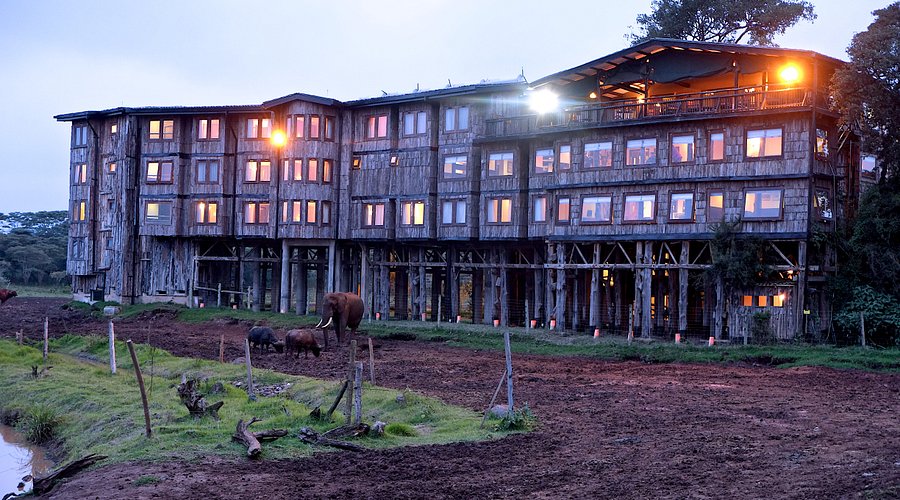
Aberdare National Park supports a wide range of wildlife adapted to forest and highland environments. Common species include African elephants, Cape buffaloes, bushbucks, giant forest hogs, and warthogs. Predators such as leopards, spotted hyenas, African golden cats, and occasionally lions inhabit the park, though they are rarely seen due to dense vegetation. The park is also home to black rhinos, making it an important conservation area for this endangered species. Wildlife sightings are often enhanced at forest lodges with floodlit waterholes, where animals visit to drink, especially at night.
Birdlife
Aberdare National Park is rich in birdlife, with over 250 bird species recorded. Forest and highland birds dominate, including Hartlaub’s turaco, African crowned eagle, Jackson’s francolin, scarlet-tufted malachite sunbird, and Abyssinian thrush. The bamboo and moorland zones host unique species rarely seen in lowland parks. Birdwatching is rewarding throughout the year, particularly in early mornings when forest birds are most active. The park’s varied altitudes and habitats make it a favorite destination for serious birders and nature enthusiasts.
Activities and Visitor Experiences
Visitors to Aberdare National Park enjoy a variety of nature-based activities. These include game drives, guided nature walks, waterfall hikes, and birdwatching tours. Some lodges offer overnight wildlife viewing from elevated platforms, allowing guests to observe animals at salt licks and waterholes without disturbing them. Hiking trails through bamboo forests and moorlands provide opportunities for exploration and photography. Due to thick vegetation and rugged terrain, safaris here focus more on scenery, tranquility, and unique wildlife encounters rather than open-plains game viewing.
Climate and Best Time to Visit
Aberdare National Park has a cool, wet climate, with temperatures ranging from 10°C to 22°C, depending on altitude. Rainfall is common, especially during the long rains (March–May) and short rains (October–November). The best time to visit is during the drier months from January to February and June to September, when roads and trails are more accessible and visibility is better. Warm clothing and waterproof gear are recommended year-round due to frequent mist and cool temperatures, particularly in the evenings.
Why Visit Aberdare National Park?
Aberdare National Park offers a distinctly different safari experience, defined by misty forests, roaring waterfalls, and highland wildlife. It is ideal for travelers seeking cool-climate scenery, peaceful surroundings, and unique forest safaris. From nighttime wildlife viewing at forest lodges to scenic hikes and birdwatching, Aberdare provides unforgettable moments away from the crowds. Its proximity to Nairobi and Mount Kenya makes it an excellent addition to any Kenya safari itinerary, delivering natural beauty, biodiversity, and a sense of timeless wilderness.