
Lake Manyara National Park
Things To Do in Lake Manyara National Park
Game Drives
Spot elephants, buffaloes, lions, giraffes, and other wildlife across varied habitats.
Baobab & Forest Viewing
Admire majestic baobabs and the park’s lush riverine and acacia forests.
Bird Watching
Observe over 400 bird species including flamingos, pelicans, and fish eagles.
Nature Walks
Explore trails along the lake shore, forests, and open plains with expert guides.
Photography
Capture elephants, flamingos, and stunning lake and forest scenery.
Lake Exploration
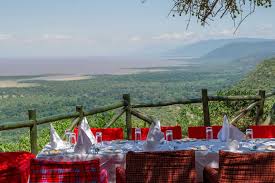
Enjoy views of Lake Manyara, home to flamingos, hippos, and other waterbirds.
Camping
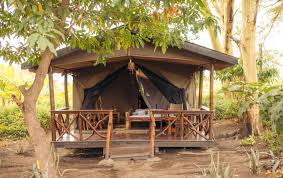
Stay in park campsites for a close-to-nature safari experience.
Sunrise & Sunset Views
Experience breathtaking sunrises and sunsets over the lake and plains.
Cultural Experiences
Learn about local Maasai traditions and their connection to wildlife conservation.
Guided Walks
Gain insights on the park’s flora, fauna, and ecosystems with experienced guides.
Lake Manyara National Park is one of Tanzania’s most diverse and scenic protected areas, famous for its flamingo-filled soda lake, lush forests, and abundant wildlife. Covering approximately 330 square kilometers, the park lies at the base of the Great Rift Valley escarpment, creating dramatic landscapes and a range of habitats within a compact area. Known as the “tree-climbing lion park”, Lake Manyara offers visitors a combination of riverine forests, acacia woodlands, alkaline lakes, and grassy plains, providing excellent wildlife viewing, birdwatching, and photographic opportunities. Its proximity to the northern safari circuit makes it a popular stop for both short and extended safaris.
Location and General Overview
Lake Manyara National Park is located in Arusha Region, northern Tanzania, approximately 125 kilometers northwest of Arusha town. The park is named after Lake Manyara, a shallow alkaline lake that dominates the area and supports vast populations of flamingos and other waterbirds. Established in 1960, the park protects diverse habitats ranging from forests on the escarpment slopes to open plains and wetlands, creating a haven for wildlife and migratory birds. Its manageable size allows visitors to enjoy high wildlife density and accessibility without extensive travel inside the park.
Landscapes and Ecosystems
The park’s landscapes are remarkably varied for its size. Lake Manyara, fed by underground springs, creates a soda lake ecosystem that attracts thousands of flamingos and other waterbirds during the wet season. Surrounding the lake are floodplains and grassy savannahs that support grazers like zebras, wildebeests, and elephants. The Ngorongoro Escarpment rises sharply from the plains, hosting dense riverine and acacia forests, where wildlife finds shelter from the heat. Unique features include rocky ridges, hot springs, and small waterfalls, adding to the park’s scenic diversity and ecological richness.
Wildlife of Lake Manyara National Park
Lake Manyara is home to a wide range of wildlife, including elephants, buffaloes, giraffes, zebras, and hippos. Predators such as lions, leopards, and hyenas thrive in forested and open areas. The park is especially famous for its tree-climbing lions, a rare behavior observed in some prides that rest in acacia and fig trees during the day. Smaller mammals, including warthogs, bushbucks, and monkeys, are also abundant. The combination of water sources, forest, and open plains makes wildlife dense and easy to spot, even in a single day of visiting.
Birdlife
Lake Manyara National Park is renowned for its extraordinary bird diversity, with over 400 species recorded. The soda lake attracts greater and lesser flamingos, pelicans, storks, herons, and cormorants, creating iconic pink landscapes during peak seasons. Forests and woodlands support raptors, hornbills, turacos, and sunbirds. Birdwatching is highly rewarding, particularly during early mornings and late afternoons. Migratory birds from Europe and Asia also use the lake as a stopover, enhancing its ornithological significance.
Activities and Visitor Experiences
Visitors to Lake Manyara can enjoy a variety of safari and nature activities:
Game drives across floodplains, forests, and savannahs
Birdwatching along the lake and forest edges
Nature walks in designated areas
Photography of tree-climbing lions, flamingo flocks, and scenic landscapes
Due to its compact size, the park is ideal for half-day or full-day safaris, making it a convenient stop on northern Tanzania safari circuits.
Climate and Best Time to Visit
Lake Manyara National Park experiences a tropical climate, with temperatures ranging from 20°C to 30°C. Rainfall occurs in two seasons—March to May (long rains) and October to December (short rains). The dry season from June to September offers the best wildlife viewing as animals concentrate near water sources and roads are more accessible. Flamingos are most numerous after the rains, when the lake fills and algae blooms attract thousands of birds, creating spectacular pink flocks.