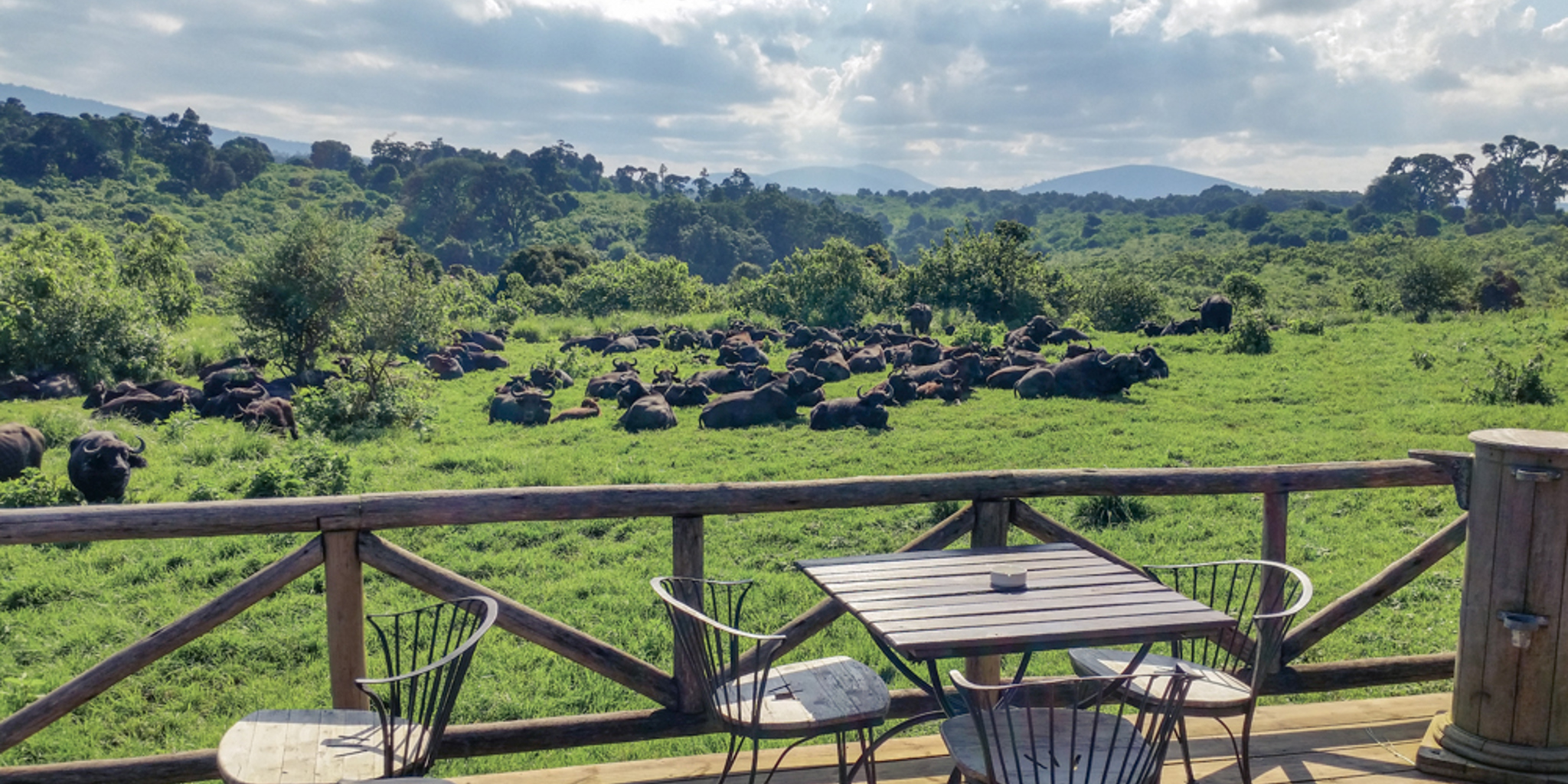

Mkomazi National Park
Things To Do in Mkomazi National Park
Game Drives
Spot elephants, giraffes, zebras, oryx, and other savannah wildlife in their natural habitat.
Bird Watching
Observe over 400 bird species including ostriches, vultures, and raptors.
Nature Walks
Explore dry savannahs, acacia woodlands, and riverine habitats on guided walks.
Photography
Capture wildlife, desert landscapes, and scenic plains during game drives or walks.
Camping
Stay in designated campsites or lodges for a true wilderness experience.
Scenic Landscapes
Admire rolling plains, hills, and acacia woodlands unique to northern Tanzania.
River & Springs Exploration
Visit seasonal rivers and natural springs that attract wildlife.
Cultural Visits
Engage with local Maasai and Chagga communities to learn about traditions and coexistence with wildlife.
Sunrise & Sunset Views
Enjoy the dramatic colors of sunrise and sunset over the savannah plains.
Guided Nature Walks
Learn about the park’s ecosystems, flora, and fauna with knowledgeable guides.
Mkomazi National Park is one of Tanzania’s most unique and underexplored parks, known for its semi-arid landscapes, wildlife conservation programs, and cultural heritage. Covering approximately 3,230 square kilometers, the park lies in northern Tanzania, along the border with Kenya, forming a natural extension of Kenya’s Tsavo West ecosystem. Mkomazi is a key sanctuary for endangered species, including black rhinos and African wild dogs, making it a critical site for wildlife conservation. Its sparse visitor numbers, remote landscapes, and authentic safari experiences appeal to travelers seeking adventure away from the crowded northern safari circuit.
Location and General Overview
Mkomazi National Park is located in Kilimanjaro and Tanga regions, about 250 kilometers northeast of Arusha, near the town of Lushoto. The park was established in 2000, succeeding the former Mkomazi Game Reserve, to protect endangered species and fragile ecosystems in the region. It is a remote and rugged area, with vast plains, seasonal rivers, and rocky outcrops. Its border with Kenya allows cross-border wildlife movement, linking populations of elephants, lions, and other species across East Africa. Mkomazi is both a conservation stronghold and a growing safari destination for adventurous travelers.
Landscapes and Ecosystems
Mkomazi National Park features semi-arid savannahs, acacia woodlands, dry riverbeds, volcanic outcrops, and scattered grasslands. Seasonal rivers, including the Mkomazi River, provide vital water sources for wildlife during dry months. The park’s landscapes are stark yet beautiful, with rolling plains, rocky kopjes, and sparse vegetation creating a dramatic setting for wildlife viewing. Its semi-arid environment is home to species adapted to harsh conditions, offering a safari experience that contrasts with Tanzania’s more lush parks like Arusha or Kilimanjaro.
Wildlife of Mkomazi National Park
Despite its dry environment, Mkomazi supports diverse and iconic wildlife, particularly species that thrive in arid regions. Key species include:
Endangered black rhinos, part of a conservation reintroduction program
African wild dogs, with a small but stable population
Elephants, lions, leopards, cheetahs, zebras, giraffes, oryx, and impalas
Smaller mammals, such as dik-diks, warthogs, and jackals, are also present. The park’s focus on rare and endangered species makes it a unique destination for wildlife enthusiasts and conservation-minded travelers.
Birdlife
Mkomazi National Park is home to over 400 bird species, many adapted to semi-arid and savannah habitats. Notable birds include kori bustards, bateleur eagles, secretary birds, hornbills, and various weavers. Seasonal migrants add further diversity, especially near water sources and riverine areas. Birdwatching is rewarding throughout the year, with early mornings offering the best opportunities to spot both raptors and ground-dwelling species.
Activities and Visitor Experiences
Mkomazi offers authentic safari experiences focused on wildlife and conservation:
Game drives across plains, woodlands, and rocky outcrops
Guided walks to learn about local flora, fauna, and conservation efforts
Birdwatching tours for enthusiasts
Cultural interactions with Maasai communities near the park
Due to its remoteness, Mkomazi is ideal for travelers seeking uncrowded and immersive safari experiences, combining wildlife observation with the natural serenity of the semi-arid landscape.
Climate and Best Time to Visit
Mkomazi National Park has a semi-arid climate, with temperatures ranging from 20°C to 32°C. Rainfall is limited, with long rains from March to May and short rains in November and December. The dry season from June to October is the best time to visit, as wildlife congregates around rivers and water sources, improving sightings. Visitors should come prepared with sun protection, plenty of water, and sturdy vehicles for safari drives in rugged terrain.