
Nyerere National Park
Things To Do in Nyerere National Park
Game Drives
Spot elephants, lions, leopards, buffaloes, hippos, and giraffes across vast savannahs and riverine forests.
Boat Safaris
Explore the Rufiji River and see hippos, crocodiles, and waterbirds in their natural habitat.
Bird Watching
Observe over 440 bird species including fish eagles, storks, and weaver birds.
Photography
Capture wildlife, river scenes, and stunning landscapes across the park.
Walking Safaris
Take guided walks to learn about flora, fauna, and ecosystems up close.
Forest & Riverine Exploration
Explore diverse habitats including woodlands, forests, and floodplains along the Rufiji River.
Camping & Lodging
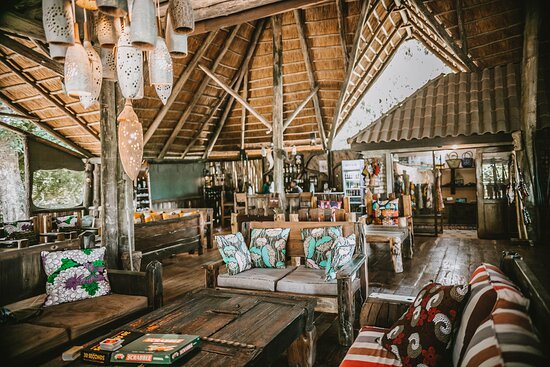
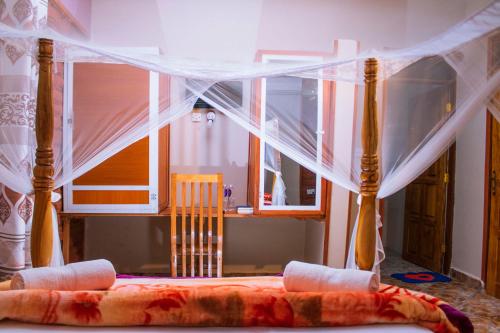
Stay in eco-lodges, campsites, or tented camps for a full wilderness experience.
Cultural Visits
Engage with local communities and learn about traditional ways of life along the park boundaries.
Sunrise & Sunset Views
Experience breathtaking sunrises and sunsets over rivers, savannahs, and floodplains.
Guided Nature Walks
Learn about Nyerere’s ecology, wildlife behavior, and conservation efforts with experienced guides.
Nyerere National Park, formerly known as Selous Game Reserve, is one of Tanzania’s largest and most remote protected areas, covering approximately 30,000 square kilometers. The park is renowned for its untouched wilderness, diverse ecosystems, and abundant wildlife, offering travelers a truly off-the-beaten-path safari experience. Named after Julius Nyerere, Tanzania’s first president, the park encompasses rivers, lakes, miombo woodlands, open savannahs, and floodplains, providing ideal habitats for elephants, predators, and numerous bird species. Its vast size and low visitor numbers make it a prime destination for those seeking solitude, adventure, and authentic African safari experiences.
Location and General Overview
Nyerere National Park is located in southern Tanzania, within the Ruvuma region, stretching along the Rufiji River and bordering the Indian Ocean to the east. It was officially designated as a national park in 2019, transitioning from the Selous Game Reserve to enhance conservation and tourism development. The park is remote and sparsely populated, offering visitors a sense of wilderness unparalleled in East Africa. Its vast landscapes are divided into riverine, woodland, and open plain ecosystems, allowing for diverse wildlife encounters across different regions of the park.
Landscapes and Ecosystems
Nyerere National Park features a variety of ecosystems, including floodplains, miombo woodlands, riverine forests, and open savannahs. The Rufiji River is central to the park’s ecology, sustaining aquatic wildlife, crocodiles, hippos, and seasonal bird populations. The park also contains lakes, swamps, and dry plains, creating diverse habitats for herbivores, predators, and migratory species. Its undulating terrain and remote wilderness provide breathtaking scenery, making it ideal for both wildlife viewing and photography. Seasonal flooding transforms parts of the park into vibrant wetlands, attracting migratory birds and supporting abundant wildlife.
Wildlife of Nyerere National Park
Nyerere National Park is home to extraordinary wildlife populations, including:
African elephants, one of the park’s iconic species
Lions, leopards, cheetahs, wild dogs, and hyenas
Buffaloes, giraffes, zebras, impalas, waterbucks, and hippos
Crocodiles and Nile monitors along rivers and lakes
The park’s remoteness and vast size allow for large herds of herbivores and predator interactions that feel untouched by tourism. Unlike more crowded parks, Nyerere provides an intimate safari experience, ideal for wildlife enthusiasts and photographers seeking pristine environments.
Birdlife
Nyerere National Park is a birdwatcher’s paradise, with over 400 species recorded. The Rufiji River and seasonal wetlands attract pelicans, herons, storks, flamingos, and African fish eagles, while woodlands host turacos, hornbills, raptors, and weavers. Migratory birds arrive during wet seasons, increasing the park’s avian diversity. Birdwatching is particularly rewarding during the early morning and late afternoon, when activity peaks and wildlife congregates near water sources.
Activities and Visitor Experiences
Visitors to Nyerere National Park can enjoy authentic safari experiences, including:
Game drives across plains, woodlands, and floodplains
Boat safaris along the Rufiji River to view hippos, crocodiles, and aquatic birds
Walking safaris in designated areas for close encounters with smaller wildlife
Birdwatching and photography tours, particularly in wetland areas
The park’s vast wilderness ensures a peaceful and immersive safari experience, ideal for travelers seeking adventure away from the crowds of northern Tanzania.
Climate and Best Time to Visit
Nyerere National Park experiences a tropical climate, with temperatures ranging from 20°C to 32°C. The park has two rainy seasons: long rains from March to May and short rains from November to December. The dry season from June to October is the best time to visit for wildlife viewing, as animals gather near rivers and waterholes, and roads are more navigable. Visitors should prepare for remote travel with adequate water, sun protection, and safari vehicles equipped for rugged terrain.