
Mikumi National Park
Things To Do in Mikumi National Park
Game Drives
Spot elephants, lions, zebras, giraffes, impalas, and wildebeests across the park’s plains and woodlands.
Bird Watching
Observe over 400 bird species including kingfishers, eagles, and storks.
Nature Walks
Explore the miombo woodlands, acacia plains, and riverine areas with a guide.
Photography
Capture wildlife, landscapes, and sunsets over the savannah and rivers.
Scenic Viewing
Admire the rolling hills, Baobab trees, and open grasslands.
River Exploration
Visit seasonal rivers and watering holes where wildlife gathers.
Camping & Lodging
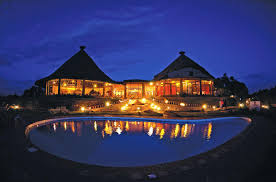
Stay at lodges or campsites inside the park for an immersive safari experience.
Sunrise & Sunset Views
Experience breathtaking golden hours over Mikumi’s savannah and hills.
Cultural Visits
Engage with local communities to learn about traditional lifestyles and conservation efforts.
Guided Nature Walks
Learn about Mikumi’s ecology, flora, and fauna with experienced guides.
Mikumi National Park is one of Tanzania’s most accessible and wildlife-rich parks, often called the “Serengeti of the south” due to its expansive plains and diverse animal populations. Covering approximately 3,230 square kilometers, the park lies in central Tanzania, along the Morogoro–Iringa corridor, making it a convenient destination for travelers exploring southern and central Tanzania. Mikumi offers a classic East African safari experience, with open savannahs, riverine habitats, and miombo woodlands that support a wide array of wildlife. Its proximity to the town of Morogoro makes it a popular stop for day trips, weekend safaris, or longer wildlife adventures.
Location and General Overview
Mikumi National Park is located in Morogoro Region, approximately 283 kilometers southwest of Dar es Salaam, providing easy access from Tanzania’s largest city. Established in 1964, the park serves as a wildlife sanctuary and a gateway to Selous (now Nyerere National Park). Its landscapes are part of the Eastern Arc Mountains and coastal plains ecosystem, supporting abundant wildlife in varied habitats. Mikumi’s accessibility, combined with high wildlife density, makes it ideal for travelers seeking short safaris with rewarding wildlife viewing opportunities.
Landscapes and Ecosystems
The park’s landscapes are dominated by open savannahs, miombo woodlands, floodplains, and riverine forests, interspersed with acacia groves and seasonal waterholes. The Mkata Floodplain, which runs through the park, is a critical habitat for herbivores, particularly during the dry season. Rolling hills, rocky outcrops, and scattered forested areas add scenic diversity, making the park highly photogenic. Mikumi’s ecosystems support a mix of grazing animals, predators, and birds, providing an authentic safari experience that mirrors Tanzania’s northern parks in miniature.
Wildlife of Mikumi National Park
Mikumi National Park is home to a variety of iconic East African wildlife, including:
Elephants, lions, leopards, cheetahs, and buffaloes
Zebras, giraffes, impalas, elands, waterbucks, and hippos
Warthogs, duikers, and smaller mammals
The Mkata Floodplain attracts large herds of herbivores, while predators patrol woodland edges and riverine areas. Mikumi is also known for its relatively high density of lions, often sighted in open grasslands. Wildlife viewing is possible year-round, though the dry season (June–October) offers the best concentration of animals near water sources.
Birdlife
Mikumi National Park supports over 400 bird species, making it a notable destination for birdwatching. Floodplains and waterholes attract storks, herons, pelicans, and African fish eagles, while savannahs and woodlands host raptors, hornbills, weavers, and turacos. Seasonal migrants add diversity during the wet season. Early mornings and late afternoons are ideal for birdwatching, photography, and spotting wildlife congregating near water sources.
Activities and Visitor Experiences
Mikumi offers classic safari experiences suitable for a range of travelers:
Game drives across open plains, woodlands, and floodplains
Guided nature walks to observe flora and small wildlife
Birdwatching tours, particularly along rivers and waterholes
Photography safaris, capturing elephants, predators, and scenic landscapes
The park is ideal for short safaris or multi-day trips, and its proximity to Nyerere National Park allows visitors to combine destinations for extended adventures.
Climate and Best Time to Visit
Mikumi experiences a tropical savannah climate, with temperatures ranging from 22°C to 30°C. Rainfall occurs in long rains (March–May) and short rains (October–December). The dry season from June to October is the best time for wildlife viewing, as animals gather around rivers, floodplains, and waterholes. Safari drives are easier during this period, and photographic conditions are optimal with clear skies and dramatic lighting.
Why Visit Mikumi National Park?
Mikumi National Park offers travelers a classic Tanzanian safari experience in a scenic and accessible location. Its combination of savannah plains, miombo woodlands, floodplains, and abundant wildlife makes it ideal for first-time visitors or those seeking a short but rewarding safari. With its diverse wildlife, photographic opportunities, and proximity to other southern parks, Mikumi is an excellent destination for anyone wanting authentic East African safari experiences away from the crowds.