
Ruaha National Park
Things To Do in Ruaha National Park
Game Drives
Spot elephants, lions, leopards, cheetahs, and African wild dogs across vast savannahs and miombo woodlands.
Bird Watching
Observe over 500 bird species, including raptors, storks, and waterbirds along the Great Ruaha River.
Nature Walks
Explore riverbanks, savannahs, and woodlands with a guided walk to learn about wildlife and plants.
Photography
Capture dramatic landscapes, wildlife, and scenic river views throughout the park.
Scenic Landscapes
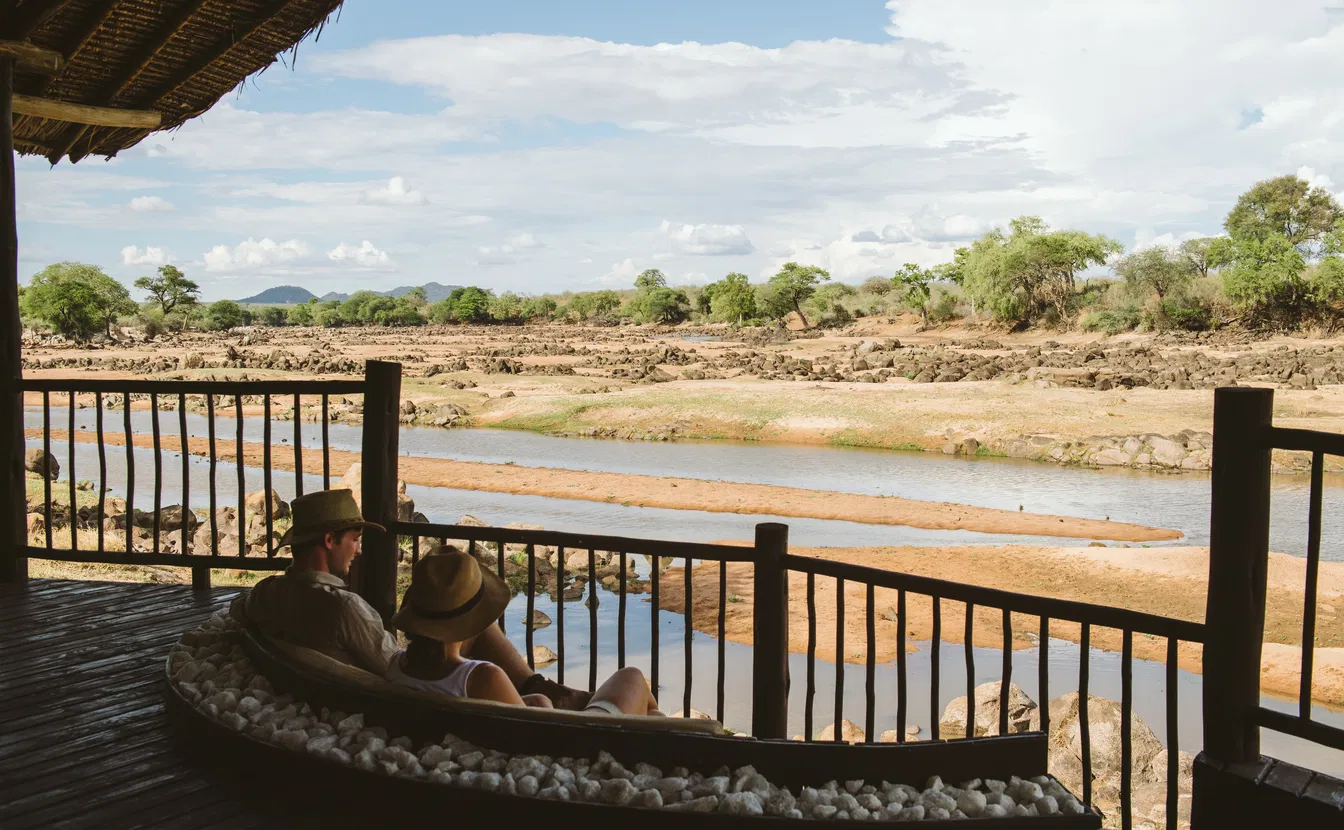
Admire the park’s rolling hills, miombo woodlands, and the Great Ruaha River valley.
River & Waterhole Visits
See elephants, hippos, and other wildlife gathering at rivers and waterholes, especially during the dry season.
Camping & Lodging
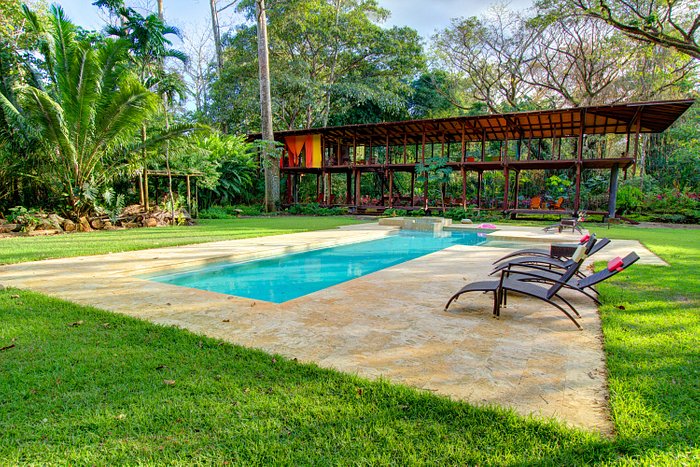
Stay in eco-lodges or campsites inside the park for a full safari experience.
Sunrise & Sunset Views
Witness breathtaking sunrises and sunsets over the savannah and river valleys.
Cultural Visits
Engage with local communities to learn about traditional lifestyles and wildlife coexistence.
Guided Nature Walks
Learn about Ruaha’s flora, fauna, and conservation efforts with expert guides.
Ruaha National Park is Tanzania’s largest national park, covering approximately 20,226 square kilometers, and is renowned for its remote wilderness, large predator populations, and diverse ecosystems. Located in south-central Tanzania, Ruaha is a true adventure safari destination, offering travelers an authentic East African safari experience far from the crowds of northern parks. The park is famous for its large elephant herds, lions, leopards, African wild dogs, and abundant antelopes, as well as its spectacular baobab-studded landscapes, rugged hills, and the Rufiji River, which sustains the park’s wildlife. Ruaha is ideal for travelers seeking untouched wilderness, extensive game drives, and immersive safari adventures.
Location and General Overview
Ruaha National Park is situated in Iringa and Morogoro regions, approximately 550 kilometers southwest of Dar es Salaam and accessible via Iringa town. Established in 1964, Ruaha was initially a game reserve before being gazetted as a national park to protect its rich biodiversity. The park is remote and rugged, featuring vast plains, riverine forests, hills, and rocky outcrops. Its size and location allow for cross-border wildlife movement with adjacent protected areas, making it a key conservation hub in southern Tanzania. Ruaha is a less-visited gem, perfect for travelers looking for solitude, authentic wildlife experiences, and adventure safari opportunities.
Landscapes and Ecosystems
Ruaha National Park features a variety of landscapes, including semi-arid savannahs, miombo woodlands, riverine forests, rocky hills, and seasonal floodplains. The Great Ruaha River, flowing through the park, provides a lifeline for wildlife, especially during the dry season. The park’s iconic baobab trees, scattered along the plains and riverbanks, create a dramatic African scenery. Hills and escarpments offer panoramic viewpoints over open plains, while seasonal wetlands attract waterbirds and grazing animals. The park’s diverse ecosystems support both grazers and predators, creating dynamic and photogenic safari experiences.
Wildlife of Ruaha National Park
Ruaha is home to Tanzania’s most impressive concentration of large mammals, including:
Elephants, with some of the largest herds in East Africa
Lions, leopards, cheetahs, and African wild dogs
Buffaloes, giraffes, zebras, impalas, kudu, hartebeests, and waterbucks
Warthogs, hyenas, jackals, and smaller mammals
Predators thrive due to abundant prey, particularly along the Ruaha and Mzombe Rivers. The park’s remote location ensures wildlife encounters are often intimate and undisturbed, providing a safari experience that feels raw and authentic compared to more heavily visited parks.
Birdlife
Ruaha National Park is a birdwatcher’s paradise, with over 570 species recorded, making it one of Tanzania’s richest birding destinations. Wetlands, rivers, and floodplains attract pelicans, storks, herons, African fish eagles, and flamingos during certain seasons. Woodland areas support turacos, hornbills, bee-eaters, and raptors. Early mornings and late afternoons are ideal for spotting birds, as activity is highest and lighting is perfect for photography. The diversity of habitats—from riverine forests to open savannah—ensures rich and rewarding birdwatching experiences.
Activities and Visitor Experiences
Ruaha National Park offers a variety of authentic safari activities, including:
Game drives through plains, woodlands, and river valleys
Walking safaris with expert guides in designated areas
Birdwatching tours across different habitats
Photography safaris, capturing elephants, predators, and scenic landscapes
Due to its size, Ruaha is ideal for multi-day safaris, allowing visitors to explore different ecosystems and encounter wildlife in remote and pristine locations. Boat safaris on the Great Ruaha River are limited but can offer unique wildlife and birding perspectives.
Climate and Best Time to Visit
Ruaha experiences a semi-arid climate, with temperatures ranging from 20°C to 32°C. The park has long rains from March to May and short rains in November and December. The dry season from June to October is the best time for wildlife viewing, as animals concentrate near rivers and water sources. Dry roads during this period also improve accessibility for game drives. Visitors should bring sun protection, sufficient water, and vehicles equipped for rugged terrain.