
Katavi National Park
Things To Do in Katavi National Park
Game Drives
Spot large herds of elephants, buffaloes, zebras, giraffes, and predators like lions and leopards.
Bird Watching
Observe over 400 bird species including storks, eagles, and kingfishers along rivers and floodplains.
Nature Walks
Explore riverine forests, floodplains, and savannahs with guided walks to discover wildlife and flora.
Photography
Capture dramatic wildlife scenes, vast plains, and spectacular sunsets.
Scenic Landscapes
Admire the vast plains, riverine forests, and seasonal floodplains of Katavi.
River & Waterhole Viewing
See elephants, hippos, and other wildlife gathering at rivers and waterholes during dry seasons.
Camping & Lodging
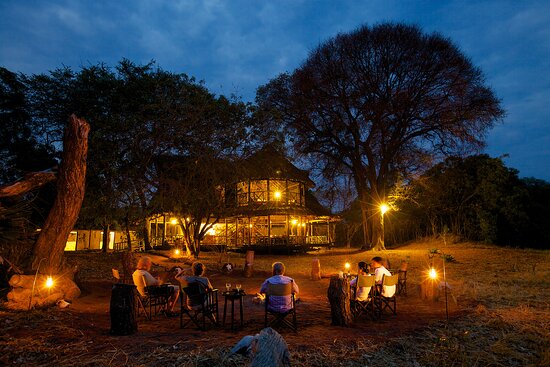
Stay in eco-lodges or tented camps for a true wilderness experience in one of Tanzania’s most remote parks.
Sunrise & Sunset Views
Experience stunning sunrises and sunsets over the floodplains and savannahs.
Cultural Encounters
Engage with local communities near the park to learn about traditions and conservation efforts.
Guided Nature Walks
Learn about Katavi’s ecology, wildlife behavior, and conservation with experienced guides.
Katavi National Park is one of Tanzania’s most remote and unspoiled parks, offering travelers a truly off-the-beaten-path safari experience. Covering approximately 4,471 square kilometers, it lies in southwestern Tanzania, along the Katuma River, and is part of the Rukwa Rift Valley ecosystem. Katavi is famed for its immense herds of buffaloes, large lion prides, and abundant elephants, particularly during the dry season when wildlife congregates around seasonal water sources. Its remoteness, low visitor numbers, and pristine wilderness make Katavi ideal for travelers seeking authentic and immersive African safari adventures, far from the crowds of northern Tanzania.
Location and General Overview
Katavi National Park is located in Katavi Region, approximately 565 kilometers west of Dar es Salaam and accessible via airstrips or long overland journeys from Mbeya or Mpanda. Established in 1974, Katavi was originally a game reserve, later upgraded to national park status to enhance conservation efforts. Its remote location ensures minimal tourist impact, preserving the park’s natural landscapes and wildlife. Katavi’s ecosystems are largely intact, making it a prime destination for wildlife enthusiasts and photographers seeking unspoiled nature.
Landscapes and Ecosystems
Katavi’s landscapes are dominated by floodplains, miombo woodlands, seasonal swamps, and riverine habitats. The Katuma River, the park’s lifeline, supports hippos, crocodiles, and large herds of herbivores during the dry season. Rolling hills, scattered forests, and open grasslands create a dramatic and photogenic safari environment, while seasonal floods transform parts of the park into temporary wetlands that attract migratory birds. Katavi’s varied ecosystems support both grazers and predators, ensuring a dynamic wildlife viewing experience.
Wildlife of Katavi National Park
Katavi National Park hosts remarkable populations of large mammals, particularly visible during the dry season:
Massive herds of buffaloes, sometimes numbering in the thousands
Lions and leopards, often seen hunting along floodplains and woodlands
Elephants and hippos, concentrated near water sources
Cheetahs, wild dogs, giraffes, zebras, and various antelopes
Smaller mammals such as warthogs, dik-diks, and baboons also inhabit the park. Katavi’s low visitor numbers mean wildlife encounters are intimate and undisturbed, creating an unparalleled safari experience.
Birdlife
Katavi National Park is a birdwatcher’s delight, with over 400 species recorded. Seasonal wetlands and riverbanks attract storks, pelicans, herons, egrets, and African fish eagles, while woodlands host turacos, hornbills, weavers, and raptors. Migratory species arrive during the wet season, adding to the park’s diversity. Early mornings and late afternoons provide optimal birdwatching opportunities and are ideal for photographing wildlife and landscapes.
Activities and Visitor Experiences
Katavi offers a range of authentic safari activities, focused on wildlife and nature exploration:
Game drives across floodplains, miombo woodlands, and riverine areas
Guided walking safaris in select areas to observe smaller wildlife
Birdwatching tours, particularly along rivers and seasonal wetlands
Photography safaris, capturing large herds, predator-prey interactions, and scenic landscapes
Due to its remote location, Katavi is best suited for multi-day safaris, providing an immersive wilderness experience. Fly-in safaris are popular, allowing travelers to explore the park’s far-flung regions efficiently.
Climate and Best Time to Visit
Katavi National Park experiences a tropical savannah climate, with temperatures ranging from 22°C to 32°C. The park has long rains from March to May and short rains in November and December. The dry season from June to October is the best time to visit, as wildlife congregates around waterholes and rivers, making sightings more predictable. Visitors should prepare for remote travel, rugged terrain, and limited services, especially during the dry season when animals are most visible.