
Mahale Mountains National Park
Things To Do in Mahale Mountains National Park
Chimpanzee Tracking
Observe wild chimpanzees in their natural habitat amidst pristine rainforest and mountains.
Hiking & Nature Walks
Explore lush forest trails, valleys, and rivers with guided hikes through the mountains.
Bird Watching
Spot over 300 bird species including endemic and rare species along the forest and lake areas.
Lake Tanganyika Exploration
Enjoy swimming, kayaking, or boat trips on the pristine waters of Lake Tanganyika.
Photography
Capture chimpanzees, misty mountains, waterfalls, and stunning lake vistas.
Scenic Landscapes
Admire forested mountains, valleys, and the shores of Lake Tanganyika.
Camping & Lodging
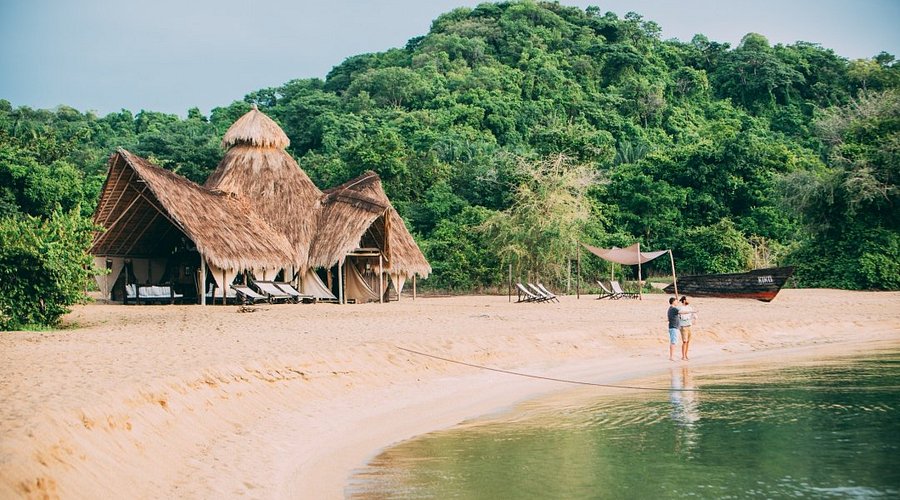
Stay in eco-lodges or tented camps along the lake and mountain slopes.
Sunrise & Sunset Views
Witness breathtaking sunrises and sunsets over the lake and mountains.
Guided Nature Walks
Learn about the park’s ecosystems, flora, and wildlife with expert guides.
Cultural Encounters
Engage with local communities to learn about traditions and conservation efforts.
Mahale Mountains National Park is one of Tanzania’s most remote and enchanting parks, renowned for its wild chimpanzee populations, pristine forests, and Lake Tanganyika shoreline. Covering approximately 1,613 square kilometers, it is situated along the eastern shores of Lake Tanganyika in western Tanzania, offering a unique combination of mountainous rainforests, river valleys, and freshwater ecosystems. Mahale is a prime destination for wildlife enthusiasts, primatologists, and adventure travelers, providing an intimate experience with chimpanzees in their natural habitat, alongside breathtaking landscapes, secluded beaches, and rare flora.
Location and General Overview
Mahale Mountains National Park is located in Uvinza District of Kigoma Region, about 1,200 kilometers from Dar es Salaam and 400 kilometers from Kigoma town, making it a true wilderness destination. Established in 1985, the park was created to protect the region’s chimpanzees, other primates, and montane forests. It is largely accessible by boat from Kigoma or fly-in via small aircraft, as overland routes are limited. Its remoteness ensures minimal human disturbance, offering visitors a tranquil and immersive nature experience unlike any other in East Africa.
Landscapes and Ecosystems
The park’s landscapes are dominated by steep, forested mountains, river valleys, and Lake Tanganyika’s crystal-clear shoreline. Mahale’s ecosystems include montane and lowland rainforests, bamboo zones, and grasslands, supporting a rich diversity of flora and fauna. The Rukoma River and other streams crisscross the park, providing water sources for wildlife and sustaining the lush forests. Its combination of mountains, rivers, and lake habitats makes Mahale a biodiversity hotspot, particularly for primates, birds, and endemic plant species.
Wildlife of Mahale Mountains National Park
Mahale is world-famous for its wild chimpanzee populations, with over 800 individuals habituated for trekking and research. Visitors can observe these primates in their natural habitat, engaging in feeding, social interaction, and grooming behaviors. Other primates include red-tailed monkeys, blue monkeys, and olive baboons. Large mammals such as elephants, buffaloes, leopards, and sitatungas inhabit the park, though sightings can be rare due to dense forest cover. The park’s focus on chimpanzee conservation makes it a unique wildlife destination, combining research, adventure, and conservation tourism.
Birdlife
Mahale Mountains National Park is a birdwatching paradise, with over 350 species recorded. Forested mountains host turacos, hornbills, sunbirds, and raptors, while wetlands and lake shores attract kingfishers, herons, pelicans, and African fish eagles. Seasonal migrants arrive during the rainy season, adding diversity. Birdwatching during early mornings offers excellent opportunities to observe and photograph both forest and aquatic bird species in a tranquil setting.
Activities and Visitor Experiences
Mahale Mountains National Park offers exclusive and immersive wildlife experiences, including:
Chimpanzee trekking with trained guides for observation of social behaviors
Guided nature walks in forests and along river valleys
Boat excursions on Lake Tanganyika, exploring beaches and hidden coves
Birdwatching and wildlife photography, especially along the lake and forest edges
Activities are designed to minimize human impact while maximizing wildlife encounters, providing a tranquil and authentic wilderness adventure.
Climate and Best Time to Visit
Mahale experiences a tropical climate with high humidity, influenced by Lake Tanganyika. Temperatures range from 20°C to 30°C, with the wet season from November to April and the dry season from May to October. The dry season is best for chimpanzee trekking and wildlife viewing, as trails are more navigable and animals are easier to spot. Visitors should be prepared with lightweight clothing, sturdy walking shoes, insect protection, and sun protection.