
Gombe Stream National Park
Things To Do in Gombe Stream National Park
Chimpanzee Tracking
Observe the famous wild chimpanzees studied by Jane Goodall in their natural forest habitat.
Hiking & Nature Walks
Explore the lush forest trails along steep hillsides and valleys with expert guides.
Bird Watching
Spot over 200 bird species including forest specialists and rare endemics.
Lake Tanganyika Exploration
Relax by the lake, swim, or take boat trips along its pristine shores.
Photography
Capture chimpanzees, lush forest, lake views, and beautiful forest scenery.
Scenic Landscapes
Admire steep forested slopes, valleys, and the shores of Lake Tanganyika.
Camping & Lodging
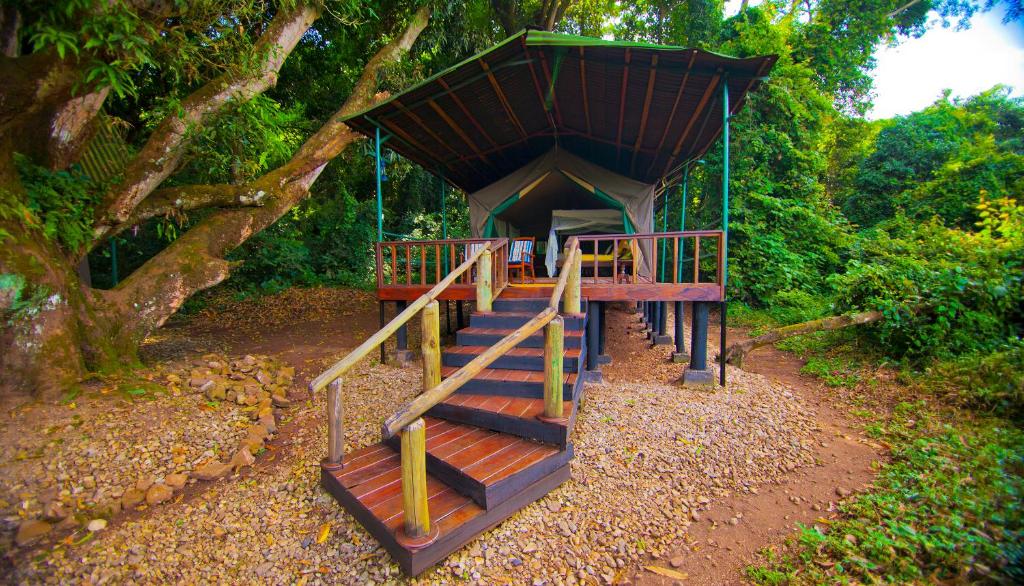
Stay in eco-lodges or tented camps close to the lake and forest trails.
Sunrise & Sunset Views
Witness breathtaking sunrises and sunsets over the forest and lake.
Guided Nature Walks
Learn about the park’s ecosystems, flora, and wildlife with experienced guides.
Cultural Encounters
Engage with local communities near the park to learn about traditions and conservation.
Gombe Stream National Park is one of Tanzania’s most unique and intimate wildlife destinations, renowned worldwide for its wild chimpanzee populations and long-term research led by primatologists. Covering just 35 square kilometers, the park is located along the western shore of Lake Tanganyika in Kigoma Region, making it one of the smallest national parks in Tanzania. Despite its size, Gombe is globally significant for chimpanzee research, primate conservation, and forest biodiversity, offering visitors an up-close experience with primates in a lush tropical rainforest setting.
Location and General Overview
Gombe Stream National Park lies in Kigoma Region, western Tanzania, approximately 1,200 kilometers from Dar es Salaam and accessible by boat from Kigoma town. Established in 1968, the park gained fame through the pioneering research of Dr. Jane Goodall, who began her groundbreaking studies on chimpanzee behavior here in the 1960s. The park’s remote location and limited area ensure a protected, undisturbed environment where chimpanzees and other wildlife can thrive. Gombe is ideal for primate enthusiasts, researchers, and adventurous travelers seeking a hands-on wildlife experience.
Landscapes and Ecosystems
Gombe Stream National Park is characterized by steep, forested hills descending to Lake Tanganyika, with dense tropical forests, freshwater streams, and bamboo groves. Its ecosystems support rainforest flora, riverine vegetation, and lakeshore habitats, creating a haven for chimpanzees, monkeys, and diverse bird species. Trails wind through the hills, allowing visitors to trek alongside streams, past waterfalls, and into chimpanzee feeding and social areas. The park’s combination of mountainous terrain and lakeside scenery makes it a visually stunning and ecologically rich destination.
Wildlife of Gombe Stream National Park
The park is most famous for its wild chimpanzee populations, with several habituated communities that can be observed during guided treks. Visitors can witness feeding, grooming, tool use, and social interactions, providing an unparalleled primate experience. Other primates include red colobus monkeys, olive baboons, and blue monkeys. Small mammals such as bushbucks, squirrels, and various nocturnal species inhabit the forest. Gombe’s focus on primates makes it a world-class destination for observing complex social behaviors and learning about conservation in action.
Birdlife
Gombe Stream National Park is also rich in birdlife, with over 200 species recorded. Forested slopes host hornbills, turacos, sunbirds, and raptors, while lakeside areas attract kingfishers, cormorants, and herons. Seasonal migratory birds add further diversity during certain times of the year. Birdwatching is best during early mornings, when the forest is active with feeding and social behaviors, offering excellent opportunities for observation and photography.
Activities and Visitor Experiences
Activities in Gombe Stream National Park are focused on primate trekking and forest exploration:
Chimpanzee trekking, observing wild populations in their natural habitat
Guided forest walks, learning about rainforest ecology and conservation
Birdwatching tours, particularly along streams and lakeshore areas
Photography, capturing wildlife behavior, forest scenery, and Lake Tanganyika vistas
Due to its small size, daily trekking permits are limited, ensuring minimal impact on the chimpanzees and a more intimate visitor experience.
Climate and Best Time to Visit
Gombe Stream National Park experiences a tropical climate with high humidity, influenced by Lake Tanganyika. Temperatures range from 22°C to 28°C, with long rains from March to May and short rains in November and December. The dry season from June to October is optimal for chimpanzee trekking and wildlife observation, as trails are easier to navigate, and animals are more active and visible. Visitors should wear lightweight clothing, sturdy hiking shoes, and insect protection.