
Saadani National Park
Things To Do in Saadani National Park
Game Drives
Spot elephants, lions, buffaloes, giraffes, and other wildlife across savannahs and forests.
Bird Watching
Observe over 400 bird species including waterbirds along the Wami River and coastal areas.
River & Coastal Exploration
Explore the Wami River estuary and enjoy boat trips to see hippos, crocodiles, and aquatic birds.
Photography
Capture wildlife, coastal scenery, river estuaries, and beautiful sunsets over the Indian Ocean.
Nature Walks
Discover mangroves, forests, and savannahs with guided walks focusing on wildlife and plant life.
Scenic Landscapes
Admire coastal plains, mangroves, and savannahs with dramatic views of the ocean and rivers.
Camping & Lodging
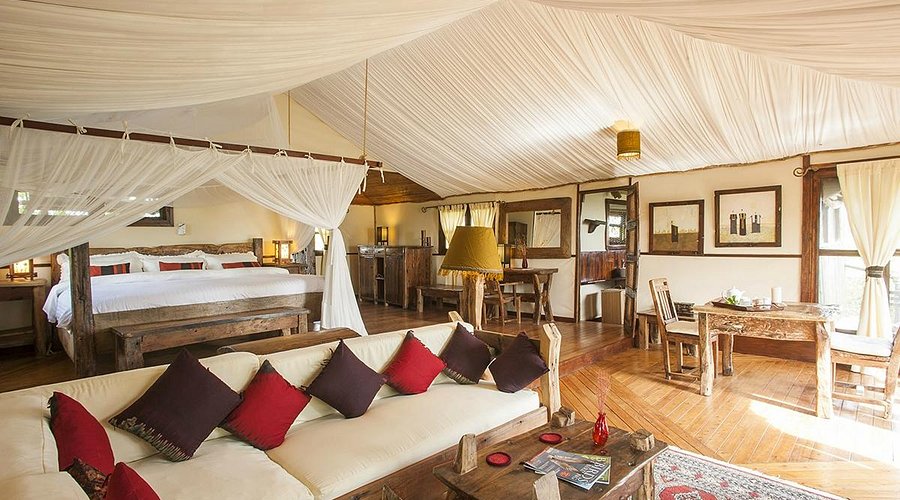
Stay in eco-lodges or campsites along the coastline or near riverbanks for an immersive experience.
Sunrise & Sunset Views
Witness spectacular sunrises and sunsets over the savannahs, rivers, and Indian Ocean.
Guided Nature Walks
Learn about Saadani’s wildlife, mangroves, and conservation efforts with expert guides.
Cultural Encounters
Engage with local communities to learn about coastal traditions and conservation initiatives.
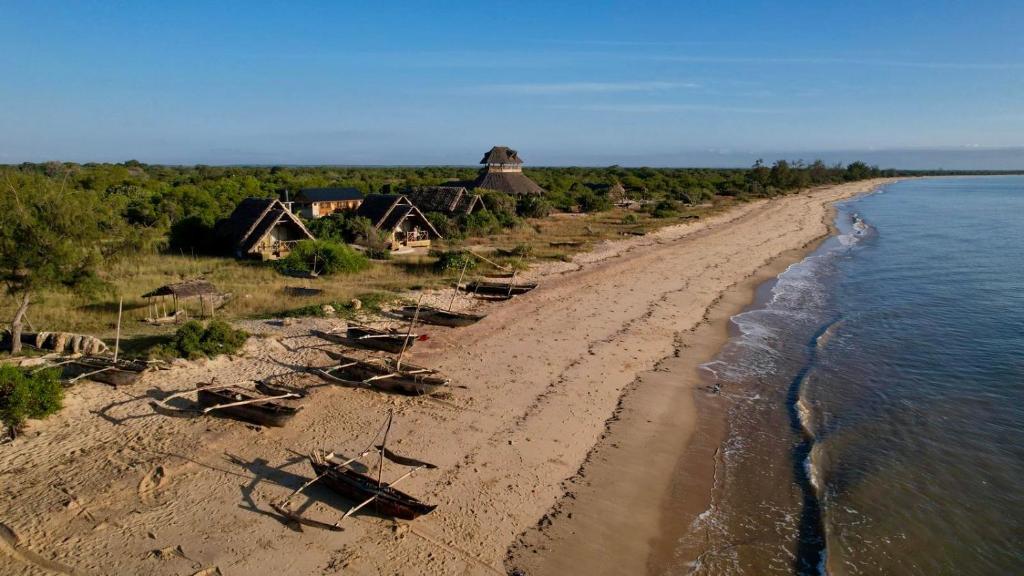
Saadani National Park is Tanzania’s only coastal national park, offering a rare combination of wildlife and pristine beaches along the Indian Ocean. Covering approximately 1,100 square kilometers, the park lies in eastern Tanzania, near Pangani and Bagamoyo, and is famous for its diverse ecosystems, including savannahs, wetlands, mangroves, and coral reefs. Saadani provides a unique safari experience where visitors can see traditional African wildlife and relax along sandy beaches, making it ideal for travelers seeking both adventure and coastal leisure.
Location and General Overview
Saadani National Park is located in Pwani Region, along the coastline of Tanzania near Pangani, roughly 130 kilometers north of Dar es Salaam. Established in 2005, it was designed to protect wildlife, marine ecosystems, and coastal habitats, including mangroves, estuaries, and coral reefs. The park’s location at the intersection of land and sea ecosystems provides a rare safari experience, combining savannah wildlife viewing with marine and beach exploration. Its proximity to Dar es Salaam and Pangani makes it more accessible than many remote parks, while still offering a secluded and intimate environment.
Landscapes and Ecosystems
Saadani National Park features diverse landscapes, including savannah plains, acacia woodlands, riverine forests, wetlands, and mangrove-lined beaches. The Wami and Ruvu Rivers flow through the park, creating wetlands that attract hippos, crocodiles, and abundant birdlife. The park’s coastline includes pristine beaches and coral reefs, allowing unique marine-safari interactions. Saadani’s ecosystems support both terrestrial and aquatic wildlife, creating a rich, multi-habitat safari environment.
Wildlife of Saadani National Park
Saadani is home to a variety of African wildlife, including:
Lions, leopards, elephants, buffaloes, giraffes, zebras, and impalas
Hippos and crocodiles in rivers and wetlands
Sitatunga antelopes in swampy areas
Baboons, vervet monkeys, and small mammals
Its coastal location means wildlife can often be observed near river mouths and beaches, offering unique photo opportunities. Game drives and walking safaris provide close encounters with both predators and herbivores, while the wetland areas allow viewing aquatic and semi-aquatic species.
Birdlife
Saadani National Park is a prime birdwatching destination, with over 400 species recorded. Wetlands and rivers attract herons, storks, egrets, pelicans, and African fish eagles, while woodlands host hornbills, turacos, and weavers. Coastal areas and mangroves also attract waders, gulls, and terns. Early mornings are ideal for observing birds congregating at water sources, providing excellent photographic opportunities.
Activities and Visitor Experiences
Saadani offers a unique mix of safari and coastal activities, including:
Game drives across savannahs, wetlands, and river valleys
Walking safaris in designated areas to observe smaller wildlife
Birdwatching and photography, especially in wetlands and along the coast
Beach and marine experiences, such as relaxation along pristine beaches and snorkeling near coral reefs
The combination of land and sea safari activities makes Saadani distinct, offering travelers adventure, wildlife encounters, and leisure in one destination.
Climate and Best Time to Visit
Saadani National Park experiences a tropical coastal climate, with temperatures ranging from 25°C to 32°C. Rainfall occurs during the long rains from March to May and short rains in November and December. The dry season from June to October is ideal for wildlife viewing, walking safaris, and coastal exploration. Visitors should bring lightweight clothing, sun protection, insect repellent, and swimwear for marine activities.
Why Visit Saadani National Park?
Saadani National Park is perfect for travelers seeking a unique safari experience that combines African wildlife, wetlands, and pristine beaches. Its combination of savannah plains, rivers, wetlands, mangroves, and Indian Ocean coastline provides unparalleled diversity in a single destination. For those looking for wildlife adventure with relaxation by the sea, Saadani delivers a memorable and distinctive Tanzanian safari experience.