
Rubondo Island National Park
Things To Do in Rubondo Island National Park
Chimpanzee Tracking
Observe rehabilitated chimpanzees on the island in their natural forested habitat.
Nature Walks & Hiking
Explore forest trails, hills, and lakeside areas with experienced guides.
Lake Victoria Boat Safaris
Enjoy boat trips to spot hippos, crocodiles, and waterbirds around the island.
Bird Watching
Spot rare and endemic bird species across the island and lake shorelines.
Photography
Capture wildlife, forests, lake scenery, and scenic landscapes.
Scenic Landscapes
Admire the island’s forests, hills, and views over Lake Victoria.
Camping & Lodging
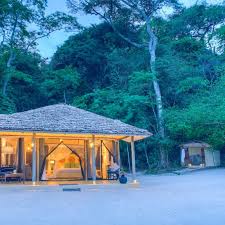
Stay at eco-lodges or tented camps for a true wilderness and lake experience.
Sunrise & Sunset Views
Witness stunning sunrises and sunsets over Lake Victoria and the forested island.
Guided Nature Walks
Learn about Rubondo’s unique ecosystems, flora, and conservation projects with guides.
Cultural Encounters
Engage with local communities to learn about their traditions and conservation practices.
Rubondo Island National Park is one of Tanzania’s most unique and off-the-beaten-path parks, situated entirely on Rubondo Island in Lake Victoria. Covering approximately 456 square kilometers, the park combines forest, savannah, and freshwater ecosystems, offering a rare island safari experience. Rubondo is renowned for its introduced populations of chimpanzees, elephants, and Rothschild’s giraffes, along with a diverse array of birds, reptiles, and aquatic species. Its isolation on the lake ensures pristine habitats and intimate wildlife encounters, ideal for travelers seeking remote and adventurous safari experiences.
Location and General Overview
Rubondo Island National Park lies in Mwanza Region, northern Tanzania, in the southwestern corner of Lake Victoria, about 300 kilometers northwest of Mwanza town. Established in 1977, it was designated a national park to protect its forest and savannah ecosystems, introduced wildlife species, and surrounding lake habitats. Access is primarily via boat from Nkome village or Rubondo Island camps, making it a truly remote and exclusive safari destination. The park’s unique island setting offers travelers a blend of forest trekking, lake activities, and wildlife observation unlike any mainland safari park.
Landscapes and Ecosystems
Rubondo Island features a mix of dense forests, open savannah, riverine areas, and shoreline habitats. The island’s hilly terrain and river systems create microhabitats for a variety of species. Surrounding Lake Victoria supports aquatic wildlife and waterbirds, while forests and savannah host terrestrial mammals. Rubondo’s combination of island isolation, lake ecosystems, and tropical forest makes it a biodiversity hotspot, supporting species not commonly seen in mainland parks.
Wildlife of Rubondo Island National Park
Rubondo Island is home to both introduced and native wildlife species, making it a unique safari destination:
Chimpanzees, introduced in the 1960s and now thriving in forested areas
Rothschild’s giraffes, elephants, and hippopotamuses
Buffaloes, bushbucks, waterbucks, and baboons
Predators such as leopards and African civets, though sightings are rare
The park also hosts crocodiles and monitor lizards along the lake and rivers. Rubondo’s isolation ensures that wildlife encounters are intimate, rare, and often unforgettable, providing a true adventure safari experience.
Birdlife
Rubondo Island National Park is a birdwatcher’s paradise, with over 350 species recorded, including both terrestrial and waterbirds. Forested areas host hornbills, turacos, and weavers, while Lake Victoria and wetlands attract herons, egrets, pelicans, African fish eagles, and migratory species. Early mornings are ideal for observing and photographing birds, as well as capturing wildlife activity in the forests and along the shoreline.
Activities and Visitor Experiences
Rubondo Island offers unique safari and adventure activities, including:
Chimpanzee trekking in dense forest areas
Guided walking safaris to observe introduced and native wildlife
Birdwatching excursions, especially along rivers and lakeshores
Boat safaris and fishing on Lake Victoria, exploring the island’s coastline and aquatic life
Nature photography, capturing rare wildlife, forest scenery, and lake vistas
Visitors can combine wildlife observation with relaxation by the lake, making Rubondo a blend of adventure and serenity.
Climate and Best Time to Visit
Rubondo Island experiences a tropical lake-influenced climate, with temperatures ranging from 22°C to 30°C. The park experiences long rains from March to May and short rains in November and December. The dry season from June to October is the best time for chimpanzee trekking, game viewing, and boat activities, as trails are navigable and wildlife congregates near water sources. Visitors should pack light clothing, sun protection, insect repellent, and sturdy shoes for walking trails.