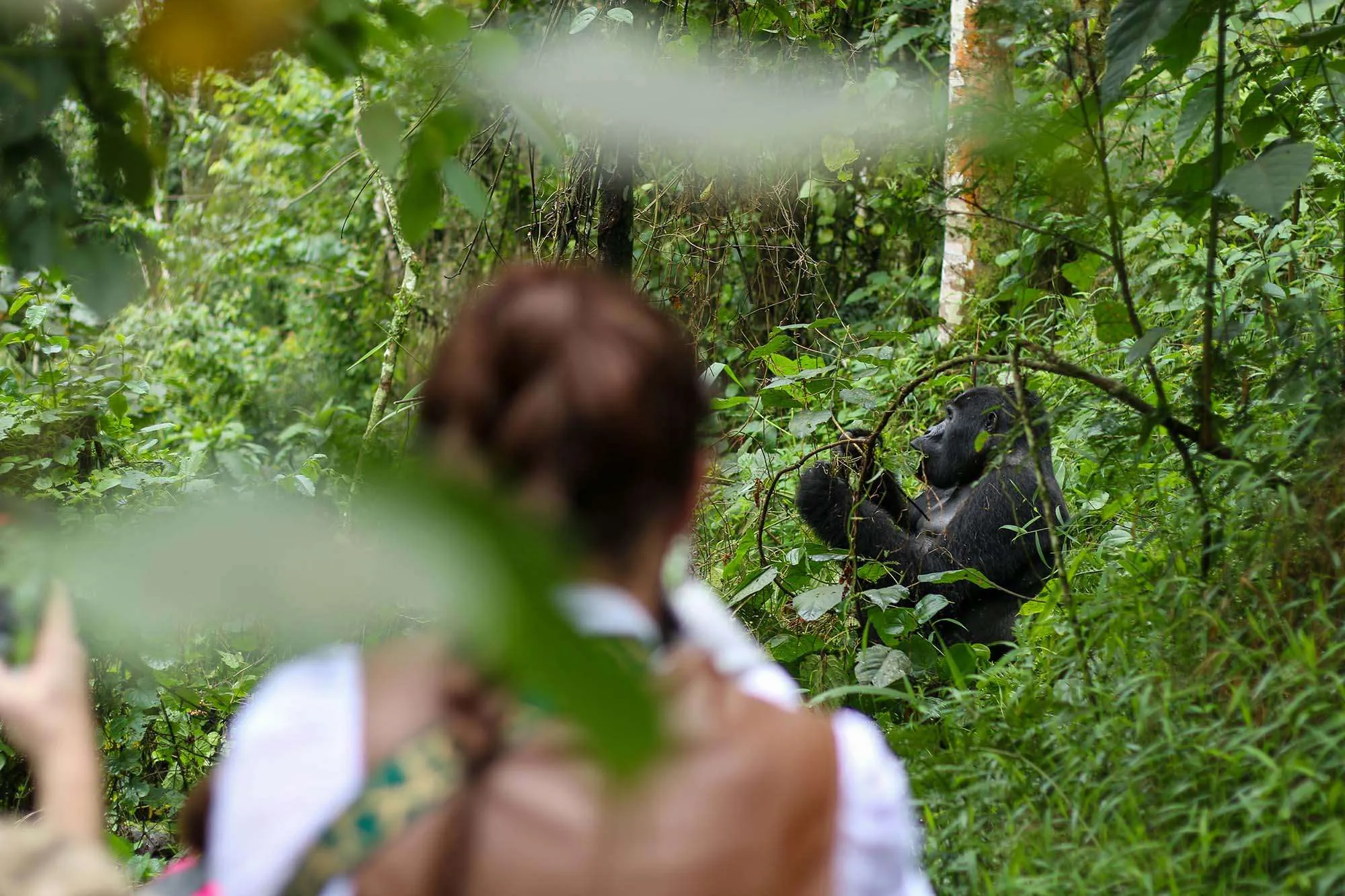
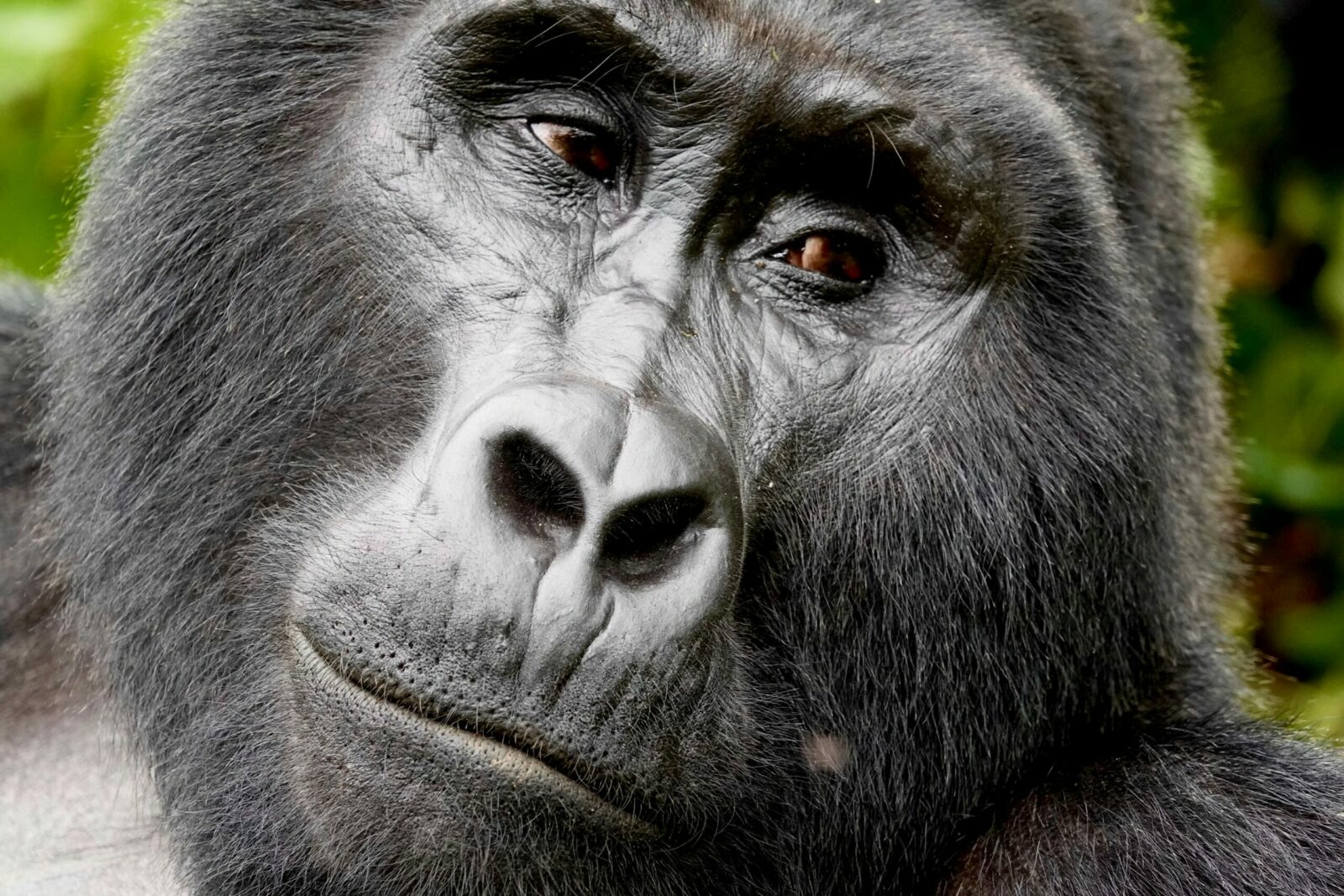
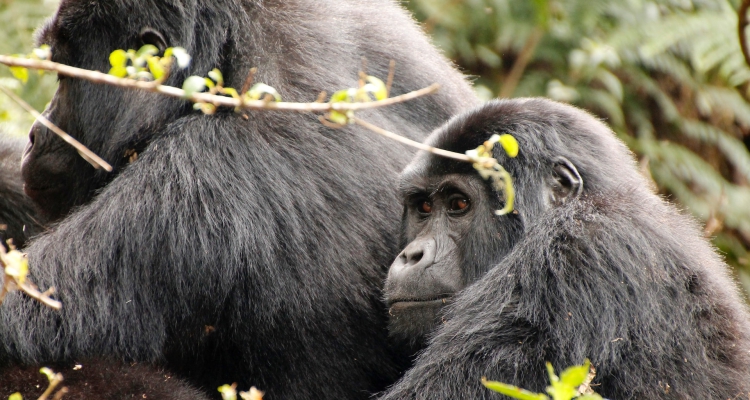
Best Time for Gorilla Trekking in Uganda: Month-by-Month Guide. Gorilla trekking in Uganda is a once-in-a-lifetime experience, and timing your visit can greatly influence how enjoyable and comfortable your adventure will be. Whether you plan to trek in Bwindi Impenetrable National Park or Mgahinga Gorilla National Park, understanding the seasons and monthly conditions will help you plan the perfect trip.
Uganda’s equatorial climate means gorilla trekking is possible all year round, but each month offers different advantages and challenges. Here’s a detailed month-by-month guide to help you choose the best time for your gorilla safari.
Understanding Uganda’s Seasons
Uganda has two main dry seasons and two rainy seasons:
- Dry seasons: June to September and December to February
- Rainy seasons: March to May and October to November
Dry seasons are generally considered the best for trekking due to easier trail conditions, while rainy seasons offer fewer crowds and lush scenery.
January – A Great Start to the Year
January falls within the short dry season and is one of the best months for gorilla trekking. Trails are relatively dry, making hiking easier and more comfortable.
Visibility in the forest is also better, and photography conditions are excellent. This is a popular time for travelers, so permits and accommodation should be booked early.
February – Ideal Trekking Conditions
February continues the dry conditions, making it another excellent month for gorilla trekking. The weather is generally warm, with minimal rainfall.
Because of these favorable conditions, February is considered peak season. Expect higher demand for permits, especially in Bwindi Impenetrable National Park.
March – Beginning of the Rainy Season
March marks the start of the long rainy season. Rainfall begins to increase, and trails can become muddy and slippery.
However, this is also when the forest becomes incredibly lush and vibrant. Fewer tourists visit during this time, making it ideal for those seeking a quieter experience.
April – Wet but Rewarding
April is typically the wettest month of the year. Trekking conditions can be challenging due to heavy rains and thick mud.
Despite this, there are advantages:
- Fewer crowds
- Lower accommodation rates
- Gorillas tend to stay closer, sometimes shortening trekking time
For adventurous travelers, April can still be a rewarding time to visit.
May – Transition Month
May is still part of the rainy season, but rainfall begins to decrease towards the end of the month.
Conditions remain muddy, but the landscape is at its greenest and most beautiful. This is a good time for budget travelers looking to avoid peak-season prices.
June – Start of the Peak Season
June marks the beginning of the long dry season and is one of the best times for gorilla trekking.
Trails start to dry out, making hiking easier. Wildlife viewing improves, and the overall trekking experience becomes more comfortable.
This is the start of peak season, so early booking is essential.
July – Prime Gorilla Trekking Month
July is one of the most popular months for gorilla trekking in Uganda. The weather is dry, and trekking conditions are excellent.
The forest is still green from previous rains, creating beautiful scenery. However, high demand means permits can sell out quickly.
August – Excellent but Busy
August continues the dry season with great trekking conditions. It is ideal for travelers who want the best combination of weather and wildlife experience.
Like July, it is a busy month, so expect more visitors in both Bwindi Impenetrable National Park and Mgahinga Gorilla National Park.
September – End of the Dry Season
September is still a good month for trekking, though occasional rains may begin towards the end.
Crowds start to decrease slightly, making it a good balance between favorable weather and fewer tourists.
October – Short Rainy Season Begins
October marks the start of the short rainy season. Rainfall increases, but it is usually less intense than in April.
This month offers:
- Fewer tourists
- Beautiful green landscapes
- Slightly lower prices
Trekking can still be enjoyable with proper preparation.
November – Quiet and Scenic
November is one of the least busy months for gorilla trekking. Rainfall continues, and trails can be muddy.
However, the forest is incredibly lush, and the experience feels more private. If you don’t mind the rain, this is a great time to avoid crowds.
December – Return of Dry Conditions
December marks the return of the short dry season, especially towards the middle and end of the month.
It’s a popular time due to holiday travel, so demand for permits increases again. Trekking conditions improve, making it a great time to visit.
Best Overall Months for Gorilla Trekking
If you’re looking for the best overall experience, the top months are:
- June to August
- December to February
These periods offer the best balance of dry weather, easier trekking conditions, and excellent wildlife encounters.
Best Months for Budget Travelers
For those looking to save money, consider traveling during:
- March to May
- October to November
During these months, you may find lower accommodation rates and fewer crowds. While trekking can be more challenging, the experience is still rewarding.
Tips for Choosing the Right Time
When deciding when to go, consider:
- Weather tolerance: Are you comfortable trekking in rain and mud?
- Budget: Peak seasons are more expensive
- Crowds: Dry seasons attract more visitors
- Photography: Dry seasons offer better light and visibility
There is no “bad” time for gorilla trekking—only different experiences depending on your preferences.