Budget Big Five Safaris in Uganda. Experiencing the thrill of a Big Five safari—spotting lions, leopards, elephants, buffalo, and rhinos—does not have to be reserved for luxury travelers. Uganda offers some of the most affordable safari options in East Africa, making it an ideal destination for budget-conscious adventurers who still want a rich and memorable wildlife experience.
With careful planning, smart choices, and the right destinations, you can enjoy a complete Big Five safari in Uganda without overspending. This guide explores how to plan a budget-friendly safari while still maximizing your chances of incredible wildlife encounters.
What Makes Uganda Ideal for Budget Safaris?
Uganda stands out as one of the most affordable safari destinations compared to Kenya and Tanzania. Park entrance fees, accommodation, and transport options are generally more budget-friendly, especially for travelers willing to sacrifice a bit of luxury for authentic experiences.
Another major advantage is the country’s diversity. Instead of focusing only on game drives, Uganda offers boat safaris, walking experiences, and cultural encounters—all of which add value without significantly increasing costs.
Additionally, Uganda’s parks are less crowded, meaning you can enjoy a more relaxed safari experience without paying premium prices for exclusivity.
Where to Go for Budget Big Five Safaris
To see all members of the Big Five in Uganda, you will need to visit a combination of parks and reserves. The most budget-friendly and effective route includes the following key destinations:
- Murchison Falls National Park
- Ziwa Rhino Sanctuary
- Queen Elizabeth National Park
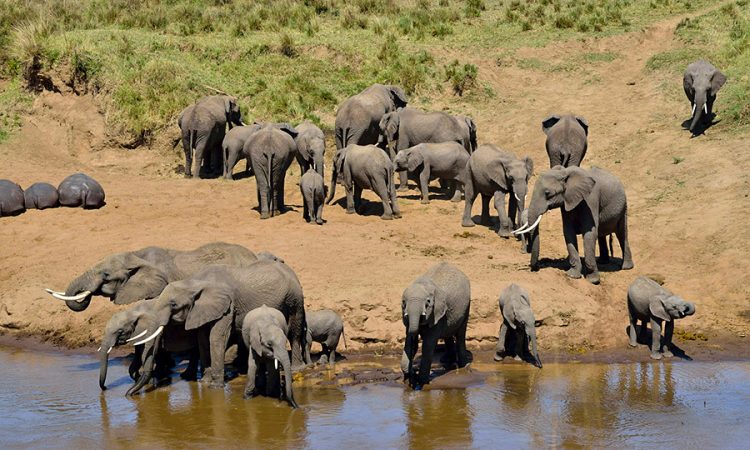
Murchison Falls National Park is the best starting point for budget travelers. It offers excellent chances to see lions, elephants, buffalo, and leopards at relatively low cost. Game drives in the northern sector are particularly rewarding.
Ziwa Rhino Sanctuary is essential for completing the Big Five, as it is the only place in Uganda where you can track rhinos. The experience is affordable and highly unique, as it is done on foot with a guide.
Queen Elizabeth National Park adds variety and increases your chances of spotting elusive animals like leopards, while also offering scenic beauty and additional wildlife experiences.
Affordable Accommodation Options
One of the easiest ways to reduce safari costs is by choosing budget accommodation. Uganda has a wide range of options, including:
- Budget lodges near park gates
- Campsites within or near national parks
- Guesthouses in nearby towns
Many budget lodges still offer comfortable rooms, good meals, and easy access to safari activities. Camping is the most affordable option and can significantly reduce your overall expenses, especially for longer trips.
Travelers can also save money by staying just outside the parks, where accommodation is often cheaper than inside protected areas.
Budget Transport Options
Transport is one of the biggest costs in any safari, but there are ways to keep it affordable in Uganda.
Group tours are one of the best options for budget travelers. By sharing a vehicle, fuel, and guide costs with others, you can significantly reduce expenses.
Public transport can get you close to major parks, but you will still need to arrange local transfers or hire a vehicle for game drives. For flexibility, some travelers opt to rent a 4×4 vehicle and self-drive, which can be cost-effective for small groups.
Choosing shorter distances and combining nearby destinations can also help reduce fuel and travel costs.
Budget-Friendly Safari Activities
Game drives are the main activity in any Big Five safari, but Uganda offers additional experiences that are both affordable and rewarding.
In Murchison Falls National Park, a boat cruise along the Nile is a must-do activity. It is relatively inexpensive and provides close-up views of elephants, buffalo, and other wildlife.
At Queen Elizabeth National Park, the Kazinga Channel boat safari offers incredible wildlife viewing at a reasonable price.
Rhino tracking at Ziwa Rhino Sanctuary is also affordable compared to similar experiences in other countries.
By combining these activities with game drives, you can enrich your safari experience without significantly increasing your budget.
Best Time for a Budget Safari
Timing plays a major role in determining the cost of your safari. Traveling during the low or shoulder seasons can lead to significant savings.
The best budget-friendly periods are:
- March to May (long rainy season)
- October to November (short rainy season)
During these months, accommodation prices are often lower, and parks are less crowded. While rain may affect travel conditions, wildlife viewing is still possible and can even be better due to lush landscapes and fewer tourists.
The dry seasons (June to September and December to February) offer easier wildlife viewing but tend to be more expensive.
Tips for Saving Money on Your Safari
Planning carefully can make a big difference in keeping your safari affordable. Here are some practical tips:
- Travel in a group to share costs
- Book accommodations in advance to secure lower rates
- Choose budget lodges or campsites
- Limit the number of parks to reduce transport costs
- Travel during the off-season for discounts
- Combine activities to maximize value
Avoid unnecessary luxury add-ons and focus on the core safari experience—wildlife viewing and exploration.
Sample Budget Big Five Safari Itinerary
A well-planned itinerary can help you see all Big Five animals while keeping costs manageable. Here is a simple budget-friendly plan:
Day 1: Travel to Ziwa Rhino Sanctuary and track rhinos
Day 2–3: Explore Murchison Falls National Park with game drives and a boat cruise
Day 4–5: Travel to Queen Elizabeth National Park for additional game drives and a Kazinga Channel boat safari
This itinerary covers all Big Five animals while minimizing travel distances and costs.
Why a Budget Safari in Uganda is Worth It
A budget safari in Uganda does not mean compromising on quality. In fact, it often provides a more authentic and immersive experience compared to high-end luxury safaris.
You will still enjoy close encounters with wildlife, breathtaking landscapes, and unique activities—all while spending less. The lower tourist numbers also mean fewer crowds, allowing for more peaceful and personal wildlife experiences.
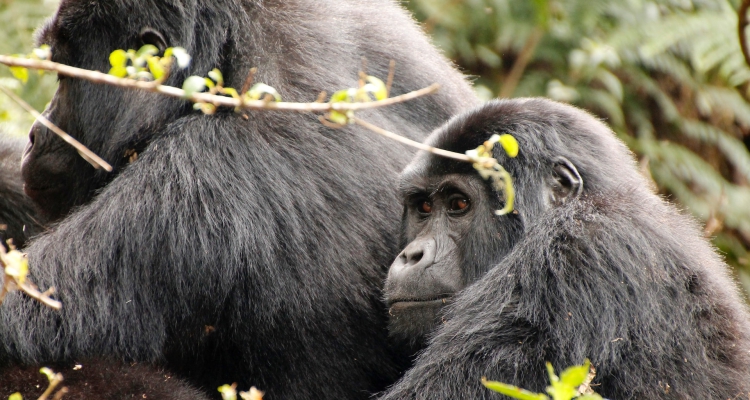
Additionally, Uganda’s combination of savannah and forest ecosystems means you can easily extend your trip to include primate experiences in places like Bwindi Impenetrable National Park or Kibale National Park if your budget allows.