Budget Gorilla Trekking in Uganda: Costs Tips & Savings. Gorilla trekking in Uganda is one of Africa’s most unforgettable wildlife experiences—but many travelers assume it’s only for luxury tourists. The truth is, with smart planning and the right choices, you can enjoy a budget-friendly gorilla safari without missing out on the magic.
Whether you plan to trek in Bwindi Impenetrable National Park or Mgahinga Gorilla National Park, this guide breaks down the real costs, practical tips, and proven ways to save money.
How Much Does Gorilla Trekking in Uganda Cost?
The biggest cost in any gorilla safari is the permit. In Uganda, a gorilla trekking permit costs approximately:
- $800 per person (foreign non-residents)
- Lower rates apply for East African residents and citizens
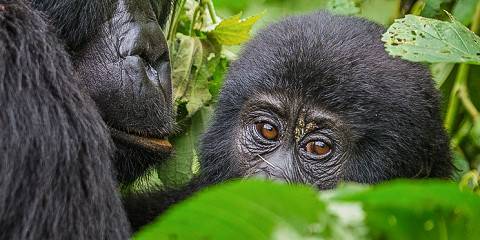
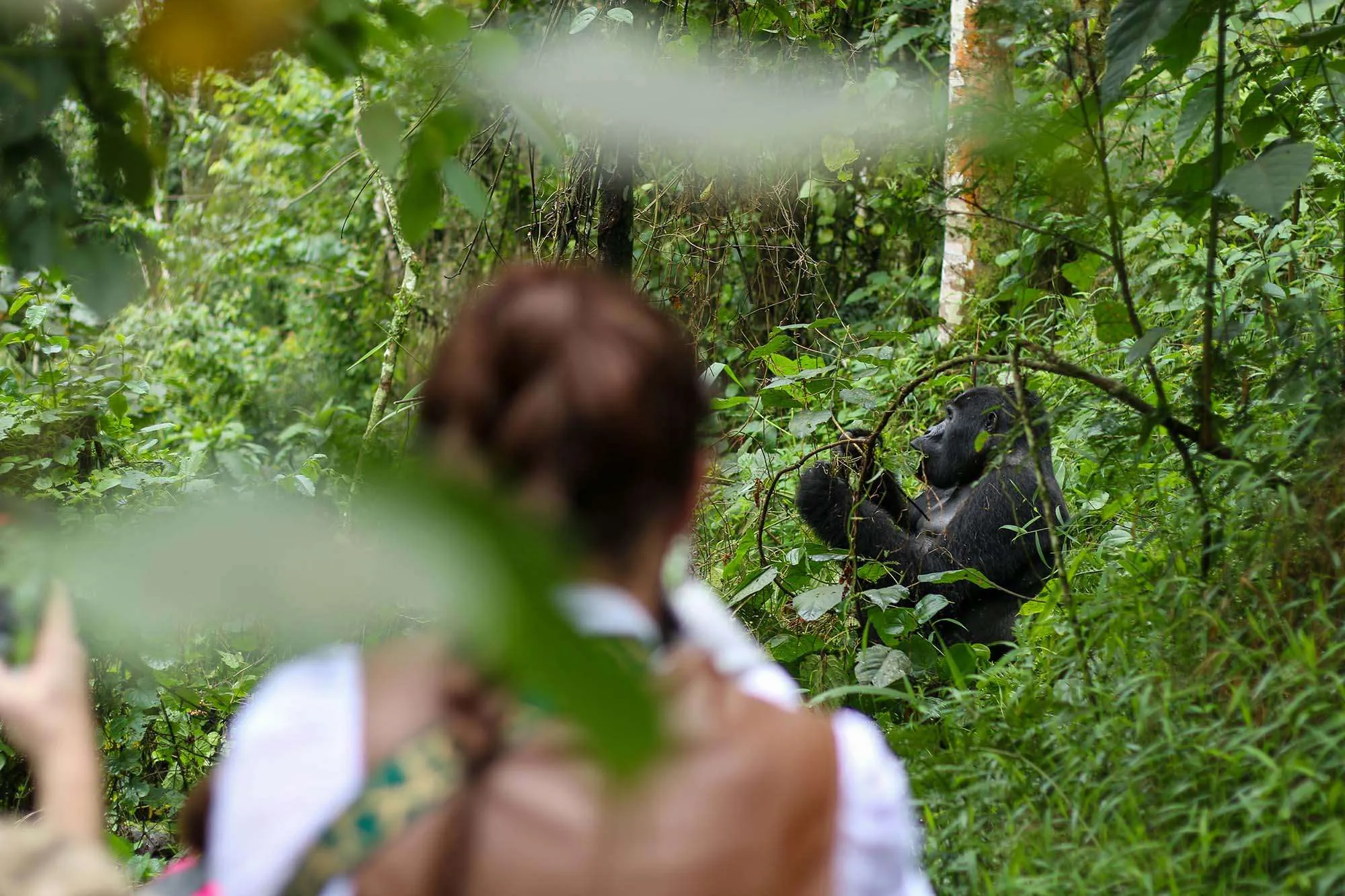
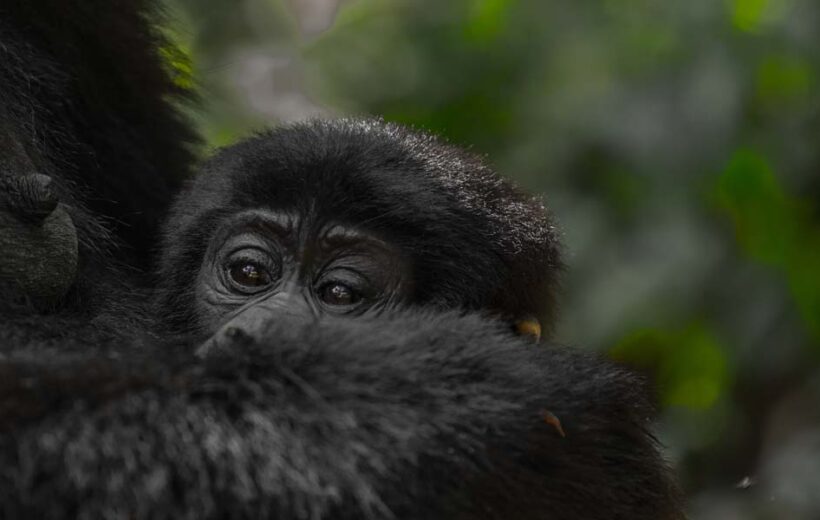
This permit allows you to spend one hour with a habituated gorilla family and includes park entry and ranger guidance.
While this may seem expensive, Uganda is still more affordable compared to neighboring countries offering similar experiences.
Breakdown of a Budget Gorilla Safari
To understand how to save, it’s important to know where your money goes. A typical budget gorilla safari includes:
- Gorilla permit
- Accommodation
- Transport
- Meals
- Guide/driver (if applicable)
A budget traveler can expect to spend $1,200–$1,800 total for a short gorilla trekking trip, depending on choices and group size.
Choosing the Most Affordable Trekking Location
Uganda offers two main trekking destinations:
- Bwindi Impenetrable National Park
- Mgahinga Gorilla National Park
Bwindi is usually the more budget-friendly option because:
- It has more gorilla families (better permit availability)
- It offers a wider range of budget accommodations
- Competition among lodges helps keep prices lower
Mgahinga is smaller and less crowded, but accommodation options can be slightly limited.
Budget Accommodation Options
Accommodation is one of the easiest areas to save money. Around Bwindi Impenetrable National Park, you’ll find:
- Budget lodges
- Community guesthouses
- Campsites
Budget stays typically range from $20 to $80 per night, often including basic meals.
To save more:
- Stay just outside park gates
- Travel in a group and share rooms
- Book directly with lodges for better rates
Transport: How to Save on Getting There
Transport can be expensive if not planned well, but there are several ways to reduce costs.
Budget options include:
- Joining group tours (share vehicle and fuel costs)
- Using public transport to nearby towns, then arranging local transfers
- Self-driving (ideal for small groups splitting costs)
Bwindi is about 8–10 hours’ drive from Kampala, so combining your trip with nearby destinations can help maximize value.
Best Time to Travel for Lower Costs
Timing your trip can significantly affect your budget.
Cheapest months:
- March to May
- October to November
These are rainy seasons, meaning:
- Lower accommodation rates
- Fewer tourists
- Easier permit availability
While trekking conditions can be muddy, gorillas often stay closer, which may reduce trekking time.
Hiring a Porter: Budget or Essential?
Hiring a porter costs around $15–$20, and while it may seem optional, it’s highly recommended.
Porters help by:
- Carrying your bag
- Assisting on steep or slippery terrain
- Making the trek less exhausting
It’s a small cost that greatly improves your experience—and supports local communities.
Tips to Save Money on Gorilla Trekking
If you’re planning a budget safari, these tips can make a big difference:
1. Book Permits Early
Last-minute bookings can limit your options and force you into higher-cost arrangements.
2. Travel in a Group
Sharing transport, guides, and accommodation reduces overall expenses.
3. Choose Budget Lodges
Avoid luxury lodges unless you’re willing to pay premium prices.
4. Combine Destinations
Add nearby parks like Queen Elizabeth National Park to maximize your trip without significantly increasing costs.
5. Travel in Low Season
Enjoy discounts and fewer crowds.
6. Pack Smart
Bring essentials like hiking boots and rain gear to avoid buying or renting expensive items locally.
What You Should Not Compromise On
While saving money is important, there are certain areas where you should not cut corners:
- Gorilla permit: This is non-negotiable
- Guide/ranger services: Essential for safety and experience
- Proper gear: Good boots and rain protection are crucial
Trying to save in these areas can negatively affect your experience.
Sample Budget Gorilla Safari Plan
Here’s a simple cost-effective itinerary:
Day 1: Travel to Bwindi and overnight in a budget lodge
Day 2: Gorilla trekking experience
Day 3: Return or continue to nearby attractions
Estimated budget:
- Permit: $800
- Accommodation (2 nights): $50–$150
- Transport (shared): $150–$300
- Meals & extras: $50–$100
Total: ~$1,050–$1,350 (group travel can reduce this further)
Is Budget Gorilla Trekking Worth It?
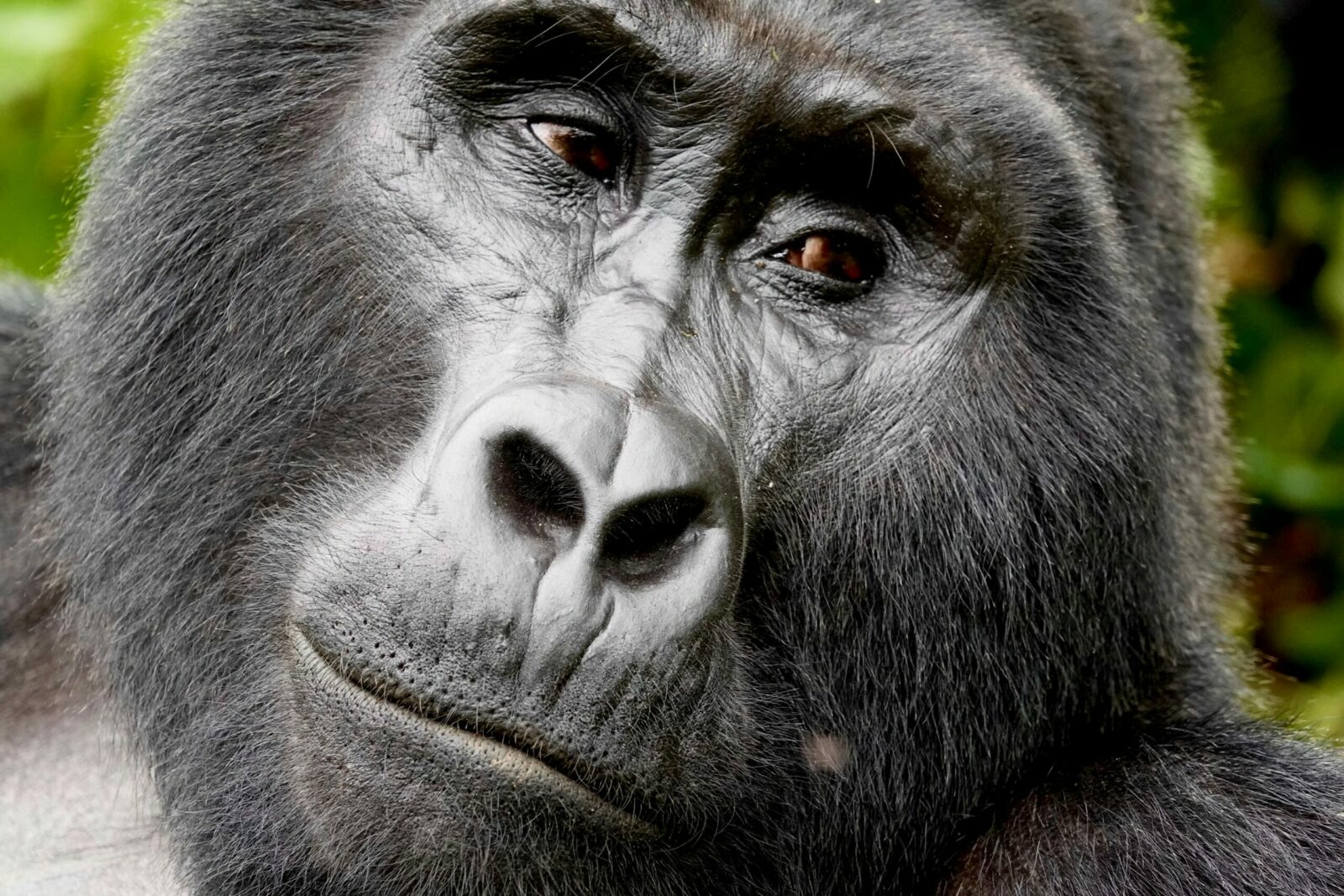
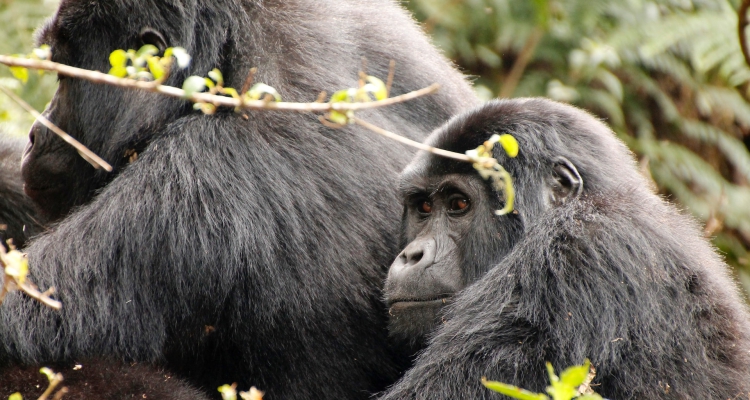
Absolutely. Even on a tight budget, the core experience remains the same—you still spend an unforgettable hour with mountain gorillas in the wild.
Unlike other travel experiences where price affects quality, gorilla trekking is strictly regulated. Whether you stay in a luxury lodge or a budget guesthouse, your time with the gorillas is identical.
This makes Uganda one of the best destinations for affordable, high-value wildlife experiences.