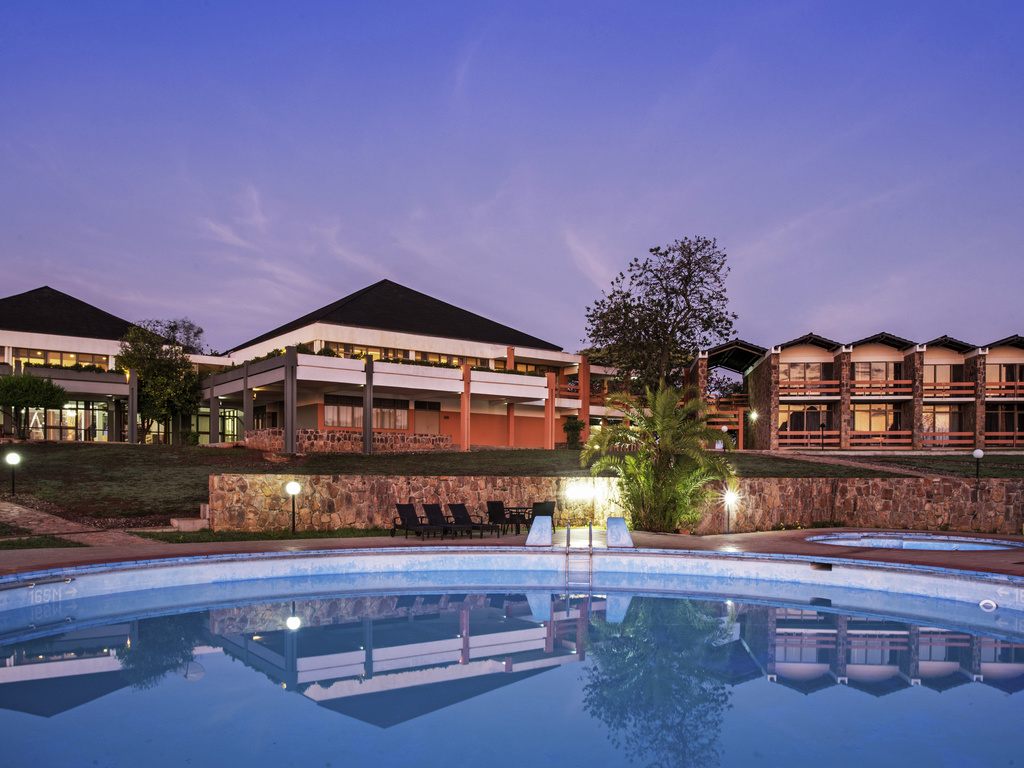

Akagera National Park
Things To Do in Akagera National Park
Game Drives
Explore classic savannah landscapes in search of the Big Five.
Boat Safaris
Cruise Lake Ihema to see hippos, crocodiles, and water birds.
Big Five Viewing
Spot lions, elephants, rhinos, leopards, and buffalo.
Bird Watching
Discover over 500 bird species across wetlands and savannah.
Photography
Capture wildlife, lakes, sunsets, and open plains.
Guided Nature Walks
Enjoy escorted walking safaris with experienced rangers.
Sunset Experiences
Watch dramatic sunsets over lakes and rolling savannah.
Cultural Encounters
Visit nearby communities and learn about local traditions.
Camping
Stay overnight in designated campsites inside the park.
Scenic Drives
Enjoy peaceful drives through lakes, hills, and plains.
Akagera National Park lies in eastern Rwanda, stretching along the Akagera River, which forms the natural boundary with Tanzania. The park covers approximately 1,122 square kilometers, making it the largest protected area in Rwanda. It is easily accessible, located about 2.5 to 3 hours’ drive from Kigali, making it ideal for short safaris or as part of a longer Rwanda itinerary.
The park is named after the Akagera River, which flows along its eastern edge and feeds a series of lakes and wetlands that form part of the vast Nile basin.
Landscape and Ecosystems
Akagera National Park features a diverse mosaic of ecosystems rarely found in such a compact area. The park is dominated by savannah grasslands, interspersed with acacia woodland, rolling hills, seasonal swamps, and permanent lakes.
The western section of the park is hillier, with open plains ideal for game viewing, while the eastern side is flatter and wetter, characterized by papyrus swamps and lakes such as Lake Ihema, Lake Rwanyakazinga, and Lake Shakani. This habitat diversity supports a wide range of wildlife and makes Akagera one of the most scenic parks in the region.
Wildlife and the Big Five
Akagera National Park is now proudly home to the Big Five—lion, leopard, elephant, buffalo, and rhinoceros—following successful reintroduction programs.
Commonly seen wildlife includes:
African elephants
Plains zebras
Masai giraffes
Cape buffalo
Impalas, topis, and waterbucks
Warthogs and bushbucks
Predators such as lions and leopards are present, though sightings require patience and luck. The park’s healthy ecosystems support growing populations of both predators and prey.
Birdlife and Wetland Species
Akagera National Park is one of Rwanda’s best birding destinations, with over 500 bird species recorded. Its wetlands and lakes are particularly important for waterbirds.
Notable bird species include:
Shoebill stork (rare but possible)
African fish eagle
Papyrus gonolek
Goliath heron
Saddle-billed stork
The park’s birdlife attracts both resident and migratory species, making it a year-round destination for birdwatchers.
Game Drives and Safari Activities
Game drives are the primary activity in Akagera National Park. The park offers excellent road networks suitable for both guided and self-drive safaris.
Morning and afternoon game drives provide opportunities to spot wildlife at different times of day, while night game drives allow visitors to search for nocturnal species such as bush babies, hyenas, and leopards.
Boat Safaris on Lake Ihema
Boat safaris on Lake Ihema are one of Akagera’s signature experiences. These guided cruises allow visitors to explore the park’s aquatic ecosystems while observing wildlife from the water.
Common sightings include:
Hippos
Nile crocodiles
Elephants and buffaloes along the shoreline
Large concentrations of waterbirds
Boat safaris are especially rewarding for photography and birdwatching.
Climate and Best Time to Visit
Akagera National Park experiences a warm, semi-arid climate, with temperatures averaging between 20°C and 30°C.
Dry seasons (June–September and December–February) offer the best game viewing, as animals congregate around water sources and roads are more accessible.
Wet seasons (March–May and October–November) bring lush landscapes and excellent birdlife, though some roads may be challenging after heavy rains.
Cultural and Community Engagement
Communities living around Akagera National Park benefit from tourism through employment, revenue-sharing programs, and community projects. Visitors can engage in cultural experiences, learn about local traditions, and understand how conservation and livelihoods are closely linked in this region.
Why Visit Akagera National Park?
Akagera National Park offers a classic African safari experience in a compact and accessible setting. From Big Five game drives and scenic boat safaris to rich birdlife and inspiring conservation stories, Akagera is an essential destination for anyone exploring Rwanda.