
Amboseli National Park
Things To Do in Amboseli National Park
Game Drives
Spot large herds of elephants, lions, giraffes, zebras, and other savannah wildlife.
Photography
Capture wildlife, vast savannah landscapes, and the majestic Mount Kilimanjaro backdrop.
Bird Watching
Observe over 400 bird species, including flamingos in seasonal swamps.
Walking Safaris
Experience guided walks to see wildlife, plants, and learn about local ecosystems.
Sunset Safaris
Enjoy spectacular sunsets over the park and Mount Kilimanjaro.
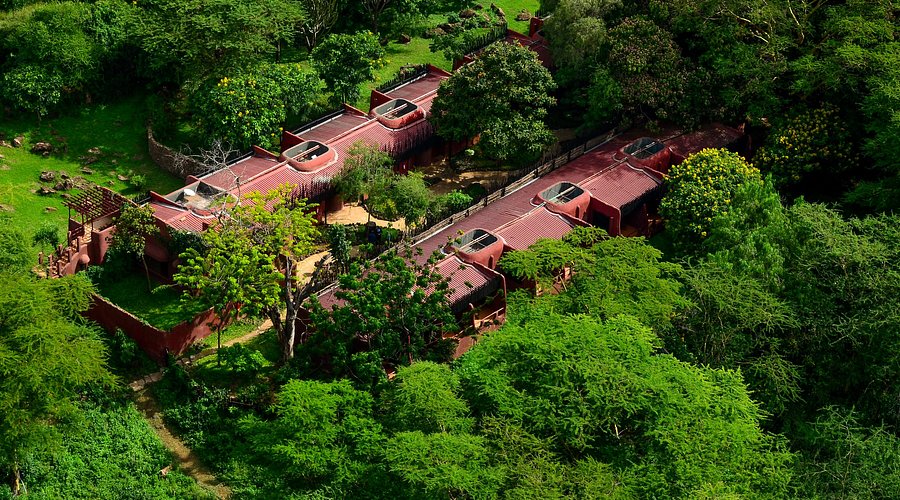
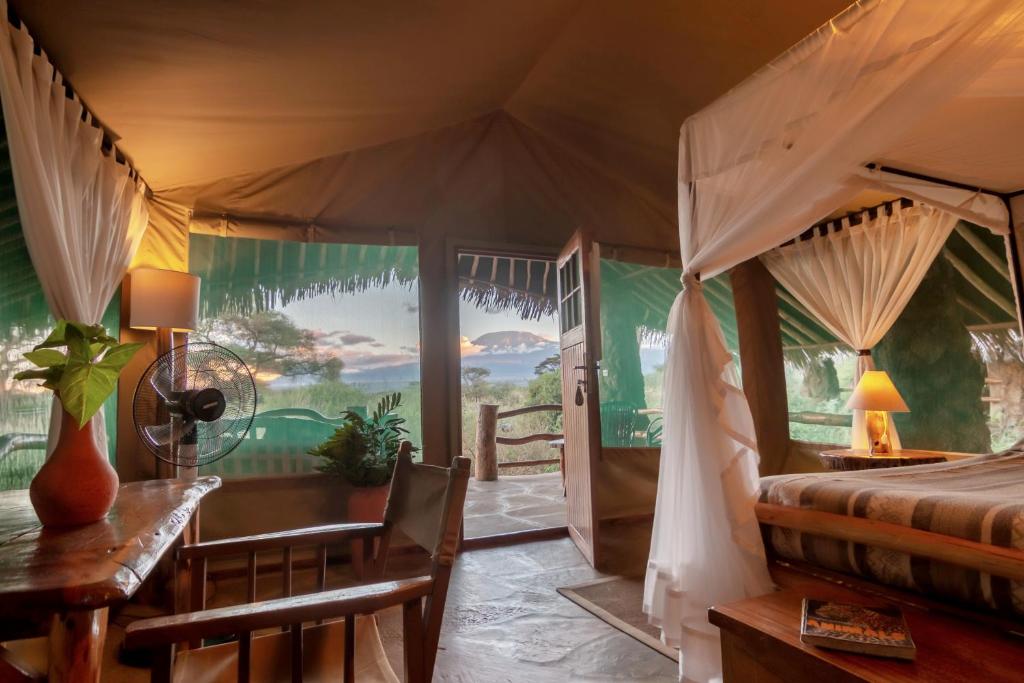
Camping & Lodges
Stay in eco-lodges or campsites inside or near the park for an immersive safari experience.
Cultural Visits
Engage with the Maasai community to learn about traditional lifestyles and culture.
Swamp Viewing
Visit swamps in the park to see hippos, birds, and seasonal wildlife gatherings.
Scenic Views
Enjoy breathtaking views of Mount Kilimanjaro and the surrounding plains.
Guided Nature Walks
Explore the park with expert guides to learn about flora, fauna, and conservation.
Amboseli National Park is one of Kenya’s most famous and iconic wildlife destinations, renowned for its large elephant herds, expansive savannahs, and stunning views of Mount Kilimanjaro, Africa’s highest peak. Located in southern Kenya, near the border with Tanzania, the park offers classic safari experiences with photography-friendly landscapes, diverse wildlife, and a semi-arid ecosystem. Amboseli’s wide-open plains, swamps, and acacia woodlands provide ideal habitats for both grazing herbivores and their predators, making it a must-visit for wildlife enthusiasts and photographers seeking iconic African safari scenery.
Location and General Overview
Amboseli National Park is located in Kajiado County, southern Kenya, bordering Tanzania, and covers approximately 392 square kilometers. The park lies at an altitude of 1,100 meters, giving visitors expansive views of the surrounding savannahs and the towering Mount Kilimanjaro across the border. Amboseli is approximately 240 kilometers from Nairobi, making it accessible via a 4–5 hour drive or by light aircraft. Its proximity to Nairobi and Tanzania allows it to be combined easily with other Kenyan safari destinations or a cross-border Tanzanian safari. The park is globally recognized for its elephant research programs and conservation initiatives, particularly studies conducted by the Amboseli Trust for Elephants.
Landscapes and Ecosystems
Amboseli is dominated by open savannah plains, seasonal wetlands, and swamps, creating a picturesque mosaic of habitats. The park’s central swamps, fed by underground springs from Mount Kilimanjaro, provide lush grazing areas for elephants and other herbivores, even during dry periods. Surrounding the wetlands are acacia woodlands and grassy plains, ideal for predators such as lions, cheetahs, and hyenas. The park’s flat topography and unobstructed views of Mount Kilimanjaro provide a dramatic backdrop for wildlife photography, making Amboseli one of the most photogenic parks in Africa. Its semi-arid environment contrasts with Kenya’s greener parks, offering unique landscapes that change with the seasons.
Wildlife
Amboseli National Park is internationally famous for its large elephant populations, with over 1,500 individuals roaming the park. Visitors can witness majestic bull elephants, family herds, and playful calves in their natural habitat. The park also supports:
Plains herbivores: zebras, wildebeests, impalas, and buffaloes
Predators: lions, cheetahs, leopards, and hyenas
Other mammals: giraffes, warthogs, and jackals
Amboseli’s wildlife is highly visible due to the open plains, making it easier for visitors to observe and photograph animals at close range. Seasonal movements of herbivores follow water availability, and the park’s permanent swamps are crucial for sustaining wildlife populations during dry months.
Birdlife
Amboseli National Park is also a prime birdwatching destination, with over 400 species recorded. The wetlands, grasslands, and acacia trees create habitats for both resident and migratory birds. Notable species include:
African fish eagle
Grey-headed kingfisher
Eastern yellow-billed hornbill
Blacksmith lapwing
Lilac-breasted roller
Birdwatching is particularly rewarding near the swamps and rivers, where species congregate for feeding and nesting. Early mornings provide optimal sightings, and professional guides help visitors locate both common and elusive species.
Safari Activities
Amboseli offers a variety of safari experiences suitable for all travelers. Game drives are the most popular activity, allowing visitors to explore the savannah and wetlands while observing wildlife. Guided walking safaris are offered in certain areas, providing intimate experiences with the park’s flora, birds, and smaller wildlife. Photography safaris capitalize on the park’s stunning backdrops, especially during sunrise and sunset when the light illuminates Mount Kilimanjaro and wildlife. Seasonal cultural visits to Maasai villages near the park give insight into traditional lifestyles, including beadwork, cattle herding, and warrior ceremonies, adding a cultural dimension to the safari experience.
Climate and Best Time to Visit
Amboseli experiences a semi-arid climate, with warm temperatures year-round ranging from 20°C to 30°C, and occasional cooler nights. The park has two main rainy seasons: March–May (long rains) and October–December (short rains), while dry seasons occur in June–September and January–February. The best time to visit is during the dry seasons when wildlife congregates around swamps and water sources, making animal sightings more predictable. Dry conditions also allow for easier game drives and hiking. The park’s permanent springs ensure lush greenery and abundant wildlife even during drier months.
Why Visit Amboseli National Park?
Amboseli National Park is a must-visit destination for first-time visitors to Kenya, photographers, and wildlife enthusiasts. Its combination of open savannahs, seasonal wetlands, large elephant herds, and breathtaking views of Mount Kilimanjaro creates iconic African safari experiences. The park’s easy accessibility, well-maintained infrastructure, and diverse safari activities—ranging from game drives and birdwatching to cultural tours—make it suitable for families, couples, and solo travelers. Amboseli offers a classic African wilderness adventure, balancing wildlife viewing, photography opportunities, and cultural encounters, making it one of East Africa’s most memorable safari destinations.