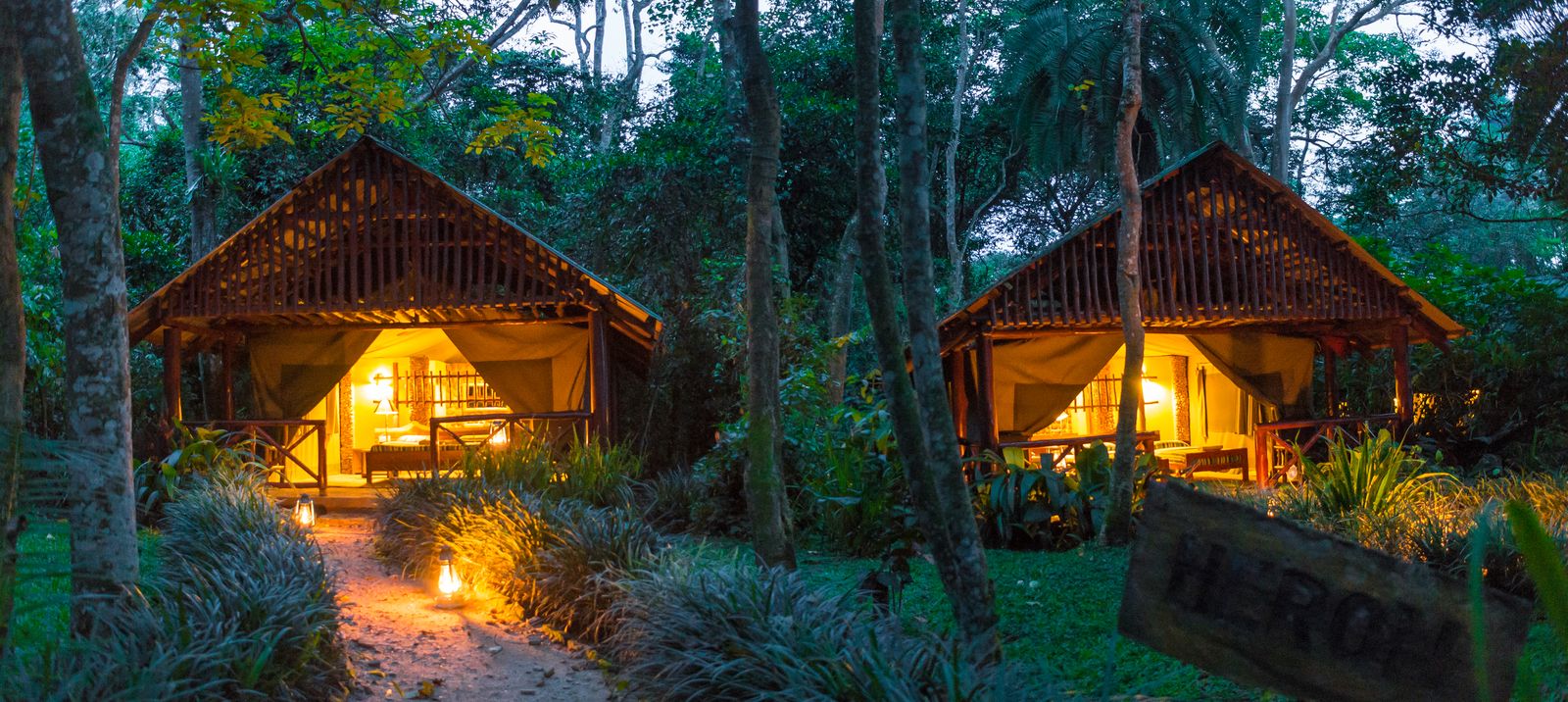

Kibale Forest National Park
Things To Do in Kibale Forest National Park
Chimpanzee Tracking
Follow expert guides to track wild chimpanzees in one of Africa’s best primate forests.
Other Primate Watching
Spot over 13 primate species including colobus monkeys and red-tailed monkeys.
Forest Hiking
Walk through lush trails, valleys, and scenic rainforest terrain.
Bird Watching
Over 350 bird species inhabit Kibale, including rare forest endemics.
Photography
Capture chimpanzees, other primates, and the dense rainforest scenery.
Botanical Walks
Learn about medicinal plants, giant trees, and unique flora in guided walks.
Bigodi Wetland Walks
Explore swamp forests and wetlands to see birds, primates, and rare plants.
Cultural Experiences
Engage with local communities and learn about their traditions and forest conservation.
Guided Nature Walks
Follow expert guides to discover wildlife, forest ecology, and hidden gems.
Sunset & Scenic Trails
Enjoy peaceful forest views and beautiful sunlit landscapes in the evening.
Kibale Forest National Park is one of Uganda’s most famous rainforest destinations, renowned for its extraordinary primate diversity and lush tropical landscapes. Located in western Uganda, the park is a haven for wildlife enthusiasts, birdwatchers, and eco-tourists seeking intimate encounters with Uganda’s forest wildlife. Often referred to as the “Primate Capital of the World”, Kibale is home to over 13 primate species, including the habituated chimpanzees that make it one of Africa’s premier trekking destinations.
Location and General Overview
Kibale Forest National Park is located in western Uganda, near the town of Fort Portal, covering approximately 795 square kilometers. It lies about 5–6 hours’ drive from Kampala or a short flight to Kasese with connecting transfers.
The park is contiguous with Queen Elizabeth National Park to the southwest, creating an important corridor for wildlife migration. Its location in the Albertine Rift gives it high biodiversity, with lush forests, rolling hills, and rivers forming a prime habitat for primates and birds.
Forests and Landscapes
Kibale Forest is a tropical moist evergreen forest, with altitudes ranging from 1,100 to 1,600 meters. The park features a mix of dense rainforest, swampy areas, grasslands, and small streams, creating varied habitats for a wide range of wildlife.
The forest is crisscrossed with trails that allow visitors to explore its interior while observing wildlife in a relatively undisturbed environment. Small forest clearings, waterfalls, and scenic hills make the park visually stunning and ideal for photography.
Primate Diversity and Chimpanzee Tracking
Kibale Forest National Park is famous for its chimpanzee tracking, the park’s flagship activity. Visitors can trek in the forest in search of habituated chimpanzee communities, often witnessing these primates feeding, playing, and interacting in their natural habitat.
Other primates in the park include:
Red-tailed monkeys
Blue monkeys
L’Hoest’s monkeys
Black-and-white colobus monkeys
Olive baboons
With over 13 primate species, Kibale offers one of the highest densities of primates in Africa, earning its reputation as a primate hotspot.
Birdlife
Kibale Forest National Park is a birdwatcher’s dream, with more than 375 bird species, including rare Albertine Rift endemics.
Notable species include:
Great blue turaco
African green broadbill
African pitta
Black bee-eater
Dusky crimsonwing
Birding in Kibale is particularly rewarding during early mornings, when many species are most active and easier to spot along forest trails.
Hiking and Nature Walks
Besides primate tracking, Kibale offers guided nature walks and hiking trails that explore the forest’s interior. Visitors can trek to small waterfalls, natural springs, and scenic viewpoints.
The Bigodi Wetlands Sanctuary, located near the park, offers additional walking trails through papyrus swamps, providing excellent opportunities to spot birds, primates, and other forest wildlife.
Climate and Best Time to Visit
Kibale Forest experiences a tropical rainforest climate, with temperatures ranging from 18°C to 28°C. Rainfall is frequent, contributing to the lush greenery and biodiversity of the forest.
Best time to visit:
Dry seasons: June–September and December–February – ideal for chimpanzee tracking and forest walks
Wet seasons: March–May and October–November – forest is vibrant and green, though trails can be slippery
Chimpanzee tracking is possible year-round, though trekking may be more challenging during heavy rains.
Why Visit Kibale Forest National Park?
Kibale Forest National Park is essential for wildlife enthusiasts and primate lovers, offering unforgettable chimpanzee encounters, diverse primate sightings, and rich birdlife. The park’s lush forests, scenic trails, and community-centered tourism create an immersive and rewarding rainforest experience.
Whether combined with Queen Elizabeth National Park, Bwindi Impenetrable Forest, or other Uganda destinations, Kibale provides an unparalleled opportunity to connect with Africa’s primates and tropical forest ecosystems, making it a must-visit for any Uganda safari itinerary.