
Lake Mburo National Park
Things To Do in Lake Mburo National Park
Game Drives
Spot zebras, impalas, buffaloes, and other savannah wildlife on guided drives.
Boat Safaris
Cruise Lake Mburo to see hippos, crocodiles, and waterbirds up close.
Bird Watching
Over 300 bird species including papyrus and water birds inhabit the park.
Photography
Capture zebras, impalas, lakes, and scenic savannah landscapes.
Guided Nature Walks
Walk trails with expert guides to discover wildlife and plants.
Biking Safaris
Explore the park’s trails on guided bicycle tours through the savannah.
Camping
Stay overnight in designated campsites inside or near the park.
Cultural Visits
Interact with local communities and learn about traditional lifestyles.
Sunset Safaris
Enjoy spectacular sunsets over lakes, forests, and rolling plains.
Walking Safaris
Experience intimate wildlife encounters and learn from expert rangers.
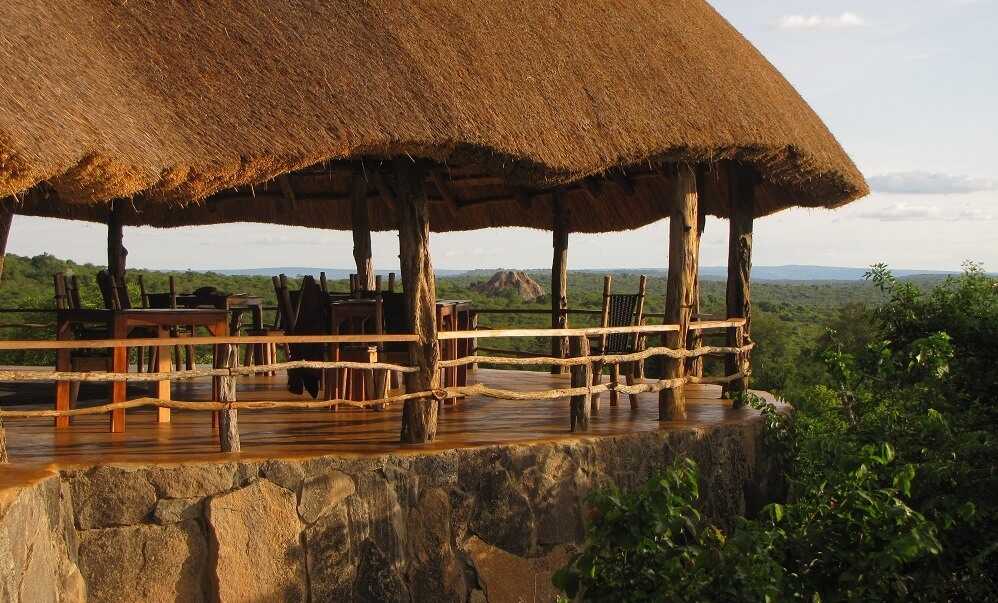
Lake Mburo National Park is Uganda’s smallest savannah national park, yet it offers a rich wildlife experience, scenic landscapes, and a tranquil atmosphere that makes it ideal for travelers seeking a more intimate safari. Located in western Uganda, the park is known for its rolling hills, lakes, and wetlands, as well as a variety of wildlife including zebras, impalas, hippos, and numerous bird species. Its accessibility and compact size make it perfect for day trips or short safaris combined with other destinations in Uganda.
Location and General Overview
Lake Mburo National Park is located in Kiruhura District, approximately 4–5 hours’ drive from Kampala or 2–3 hours from Mbarara, making it easily accessible from Uganda’s major towns. Covering about 260 square kilometers, it is part of the Ankole region, known for its picturesque landscapes of rolling hills, acacia woodlands, and scattered lakes.
The park derives its name from Lake Mburo, one of several small lakes within the park, which is fed by seasonal streams and forms a central feature for wildlife and birdlife.
Landscapes and Ecosystems
Lake Mburo National Park is characterized by a mosaic of savannah plains, acacia woodland, and papyrus wetlands, with gently rolling hills creating panoramic vistas.
Savannah plains – Home to zebras, impalas, and other grazing herbivores
Acacia woodlands – Provide cover for predators and smaller wildlife
Wetlands and lakes – Habitats for hippos, crocodiles, and numerous waterbirds
The park’s compact size allows visitors to cover a lot of ground on game drives, walking safaris, and boat trips without long drives.
Wildlife in Lake Mburo
Although smaller than Uganda’s other parks, Lake Mburo has a diverse range of wildlife:
Plains zebras – the park is one of the few places in Uganda where zebras are easily seen
Impalas and bushbucks
Warthogs and baboons
Leopards and hyenas (elusive and rarely seen)
Hippos and crocodiles in the park’s lakes and wetlands
Lake Mburo is also known for its nocturnal wildlife, which can be observed during night drives offered by guided safari operators.
Birdlife
Lake Mburo National Park is a haven for birdwatchers, with over 300 bird species recorded. Wetlands, lakes, and woodlands provide habitats for both resident and migratory birds.
Notable bird species include:
African fish eagle
Saddle-billed stork
Grey crowned crane
Malachite kingfisher
Lesser jacana
The park’s diverse habitats make birding rewarding year-round, with excellent opportunities for photography and wildlife observation.
Safari Activities
Lake Mburo offers a variety of safari activities suitable for different interests:
Game drives – Explore the park’s savannahs, hills, and wetlands to spot zebras, impalas, and other wildlife
Boat cruises – Lake Mburo and surrounding lakes provide chances to see hippos, crocodiles, and birds from the water
Guided nature walks – The park is one of the few in Uganda where walking safaris are permitted, allowing visitors to explore the bush on foot
Birdwatching tours – Early morning and late afternoon tours for optimal sightings
Climate and Best Time to Visit
Lake Mburo experiences a tropical savannah climate, with temperatures ranging from 18°C to 28°C.
Best time to visit:
Dry seasons: June–September and December–February – ideal for game drives and boat trips
Wet seasons: March–May and October–November – park is lush and green, birdlife is abundant, though some roads may be muddy
Conservation and Community Engagement
Lake Mburo National Park plays a vital role in conservation and community development. Revenue from tourism supports:
Wildlife protection and anti-poaching patrols
Habitat restoration projects
Community programs including education and sustainable livelihoods
Local communities benefit from employment, cultural programs, and tourism revenue, ensuring a sustainable relationship between people and the park.
Why Visit Lake Mburo National Park?
Lake Mburo National Park is ideal for travelers seeking a quieter, more intimate safari experience. Its compact size, scenic landscapes, and diversity of wildlife—including zebras, hippos, and over 300 bird species—make it perfect for day trips, walking safaris, and short wildlife getaways.
Whether combined with Queen Elizabeth National Park or other destinations in western Uganda, Lake Mburo offers accessible, scenic, and unforgettable wildlife experiences, making it a hidden gem in Uganda’s safari circuit.