
Lake Nakuru National Park
Things To Do in Lake Nakuru National Park
Game Drives
Spot rhinos, lions, giraffes, buffaloes, and other wildlife on guided safaris.
Photography
Capture flamingos, wildlife, and scenic landscapes of the Rift Valley escarpments.
Bird Watching
Observe hundreds of flamingos, pelicans, storks, and over 400 bird species.
Lake Viewing
Enjoy breathtaking views of Lake Nakuru, famous for its pink flamingos.
Walking Safaris
Explore park trails with expert guides to learn about wildlife and conservation.
Sunset Views
Witness beautiful sunsets over the lake and surrounding savannah plains.
Camping & Lodges
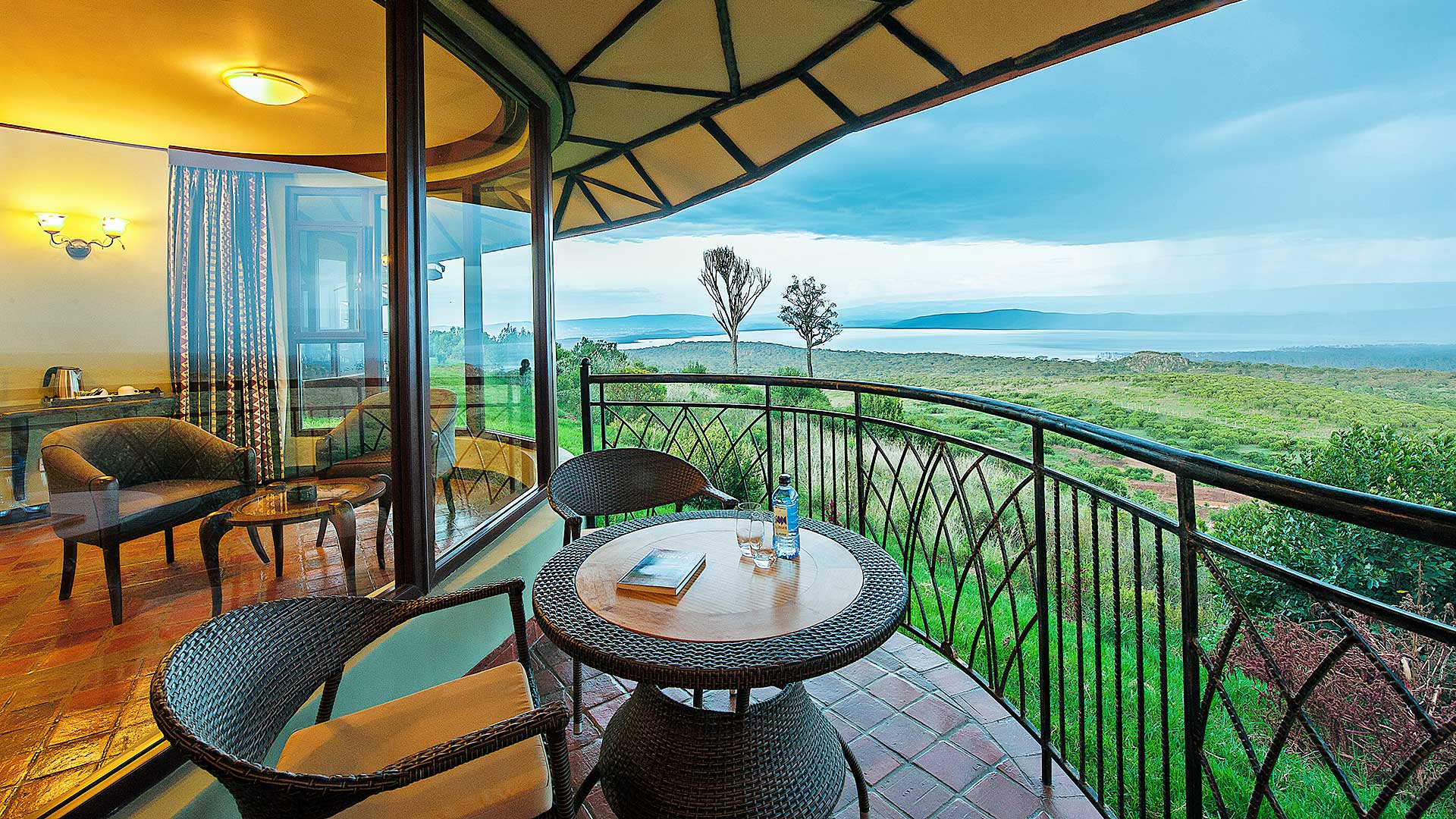
Stay in lodges or campsites near the park for a complete wildlife experience.
Cultural Visits
Engage with local communities to learn about traditions and wildlife conservation.
Guided Nature Walks
Discover park ecosystems, rare plants, and learn about the Rift Valley biodiversity.
Scenic Landscapes
Enjoy the rolling hills, escarpments, and acacia plains surrounding the lake.
Lake Nakuru National Park is one of Kenya’s most celebrated safari destinations, famous for its spectacular flamingo populations, rhino conservation, and diverse wildlife. Situated in the Rift Valley, the park covers approximately 188 square kilometers, encompassing Lake Nakuru, acacia woodlands, and grassy plains. The alkaline lake is a magnet for thousands of flamingos, creating one of the world’s most iconic natural spectacles. Beyond birds, the park is a sanctuary for black and white rhinos, lions, leopards, and giraffes, making it an essential stop for safari-goers seeking wildlife diversity and incredible photography opportunities. Lake Nakuru combines scenic beauty, abundant wildlife, and conservation success, making it a must-visit park in Kenya’s Rift Valley region.
Location and General Overview
Lake Nakuru National Park is located in Rift Valley Province, approximately 160 kilometers northwest of Nairobi, making it highly accessible for day trips or overnight safaris. The park surrounds Lake Nakuru, a shallow alkaline lake fed by rivers such as Njoro and Makalia, providing critical habitat for flamingos, pelicans, and other waterbirds. Lake Nakuru is part of the Rift Valley soda lakes ecosystem, creating unique saline and alkaline conditions that support its characteristic pink flamingos. The park’s grasslands, acacia woodlands, and escarpments provide habitats for a wide range of terrestrial wildlife, offering visitors a combination of birdwatching, game viewing, and scenic landscapes in one location.
Landscapes and Ecosystems
Lake Nakuru National Park features a variety of stunning landscapes, from the vast alkaline lake to surrounding grasslands, woodlands, and escarpments. The lake’s shimmering pink surface is particularly striking during the flamingo breeding seasons, creating a surreal and photogenic scene. Acacia woodlands and open grasslands surround the lake, providing grazing areas for herbivores and hunting grounds for predators. Hills and rocky outcrops offer panoramic viewpoints for wildlife spotting and photography. Seasonal rivers feed the lake, maintaining water levels and supporting both aquatic and terrestrial life. This combination of wetland and savannah ecosystems allows visitors to experience rich biodiversity in a compact and accessible park.
Wildlife Diversity
Lake Nakuru National Park is home to a wide array of wildlife, making it a prime safari destination. Highlights include:
Rhinos: Both black and white rhinos thrive here, with intensive conservation programs protecting their populations
Predators: Lions, leopards, cheetahs, and hyenas hunt across grasslands and woodlands
Herbivores: Zebras, giraffes, buffaloes, waterbucks, and elands roam the plains
Smaller mammals: Warthogs, baboons, and jackals contribute to the park’s ecological balance
The park is particularly renowned for its rhino sanctuary, providing a safe haven for these endangered species. Visitors can often observe wildlife grazing against the backdrop of Lake Nakuru’s sparkling waters and surrounding hills, creating memorable safari experiences.
Birdlife
Lake Nakuru is world-famous for its birdlife, hosting over 450 species, including massive congregations of lesser flamingos and greater flamingos. The lake’s algae-rich waters attract flamingos in their thousands, turning the shoreline pink. Other notable species include:
Pelicans and cormorants
African fish eagle
Kingfishers
Grey crowned crane
Black-necked grebe
Birdwatching is best during early mornings when birds are feeding and active. The park’s combination of wetlands, acacia woodlands, and escarpments allows both novice and experienced birders to observe rare and migratory species, making it a premier destination for ornithologists.
Safari Activities
Safari activities in Lake Nakuru National Park include game drives, birdwatching tours, and photography excursions. Game drives allow visitors to see rhinos, lions, giraffes, and other herbivores and predators across open plains and woodland areas. Birdwatchers enjoy guided tours along the lake’s shores and wetlands, observing flamingos and other waterbirds up close. Photography safaris are particularly rewarding, with pink flamingos, rhinos, and panoramic lake vistas providing iconic images. For adventure enthusiasts, walking trails near the park’s hills and escarpments offer immersive experiences in the park’s natural habitats.
Climate and Best Time to Visit
Lake Nakuru experiences a subtropical climate, with temperatures ranging from 15°C to 27°C. The park has two rainy seasons: March–May (long rains) and October–November (short rains), while dry seasons occur from June–September and December–February. The best time to visit is during dry seasons when flamingo numbers are high, wildlife congregates near the lake and rivers, and roads are easier to navigate. Dry conditions also make game drives more comfortable and increase the chances of spotting rhinos and other wildlife in open habitats.
Why Visit Lake Nakuru National Park?
Lake Nakuru National Park offers a unique combination of birdwatching, wildlife viewing, and scenic landscapes, making it a must-visit destination in Kenya’s Rift Valley. Visitors can witness millions of flamingos, endangered black and white rhinos, lions, giraffes, and other wildlife against the backdrop of the sparkling lake and surrounding hills. Its accessibility from Nairobi, compact size, and diverse ecosystems make it ideal for short safaris, day trips, or longer stays. For photographers, birders, and wildlife enthusiasts, Lake Nakuru provides iconic and unforgettable safari experiences, highlighting the beauty and biodiversity of Kenya’s Rift Valley.