
Nyungwe Forest National Park
Things To Do in Nyungwe Forest National Park
Chimpanzee Tracking
Track wild chimpanzees in one of Africa’s oldest rainforests.
Canopy Walk
Walk 60 meters above the forest on a suspended canopy bridge.
Colobus Monkey Tracking
See large troops of black-and-white colobus monkeys.
Bird Watching
Spot Albertine Rift endemics and over 300 bird species.
Forest Hiking
Explore waterfalls, valleys, and dense rainforest trails.
Botanical Walks
Discover medicinal plants and rare forest flora.
Photography
Capture misty landscapes, primates, and forest scenery.
Cultural Experiences
Engage with local communities around the park.
Waterfall Trails
Hike to hidden waterfalls deep inside the forest.
Guided Nature Walks
Learn about wildlife, ecology, and conservation efforts.
Nyungwe Forest National Park is one of Africa’s oldest and most biologically rich rainforests, offering a completely different yet equally rewarding experience compared to Rwanda’s savannahs and volcano landscapes. Located in the southwest of the country, this vast montane rainforest is renowned for its remarkable primate diversity, rich birdlife, scenic hiking trails, and the iconic canopy walkway. Nyungwe is a haven for nature lovers, researchers, and travelers seeking immersive rainforest adventures in a well-protected and beautifully managed environment.
Location and General Overview
Nyungwe Forest National Park lies in southwestern Rwanda, bordering Burundi to the south and Lake Kivu to the west. The park covers an area of approximately 1,019 square kilometers, making it Rwanda’s largest protected forest. It stretches across the districts of Rusizi, Nyamasheke, Nyaruguru, Huye, and Nyamagabe.
The park is about 5–6 hours’ drive from Kigali, often combined with visits to Lake Kivu or other national parks. Nyungwe’s large size and intact ecosystem make it one of the most important conservation areas in the Albertine Rift, a region known for its exceptional biodiversity and high level of endemism.
An Ancient Montane Rainforest
Nyungwe Forest is believed to be over 1,000 years old, making it one of the oldest surviving rainforests in Africa. The forest sits at elevations ranging from 1,600 to nearly 3,000 meters above sea level, resulting in a cool and moist climate throughout the year.
The landscape is characterized by rolling hills, deep valleys, waterfalls, swamps, and dense forest cover. This variation in altitude and terrain supports a wide range of habitats, including montane forest, bamboo zones, grasslands, and wetlands. The park is also a vital watershed, supplying water to both the Nile and Congo river systems.
Primate Diversity: The Heart of Nyungwe
Nyungwe Forest National Park is most famous for its extraordinary primate population. It is home to 13 primate species, more than any other national park in East Africa.
Chimpanzee Tracking
Chimpanzee tracking is the park’s flagship activity. Visitors trek through dense forest in search of habituated chimpanzee communities, often encountering them feeding, calling, or moving swiftly through the treetops. The experience is dynamic and exciting, offering insight into the social behavior of humanity’s closest relatives.
Other Primates
In addition to chimpanzees, Nyungwe hosts:
L’Hoest’s monkeys
Angola colobus monkeys
Silver monkeys
Grey-cheeked mangabeys
Blue monkeys
The Angola colobus monkeys, often seen in large troops of over 100 individuals, are a major highlight due to their striking black-and-white appearance.
Birdlife and Biodiversity
Nyungwe Forest National Park is a top birding destination in Africa, with over 320 bird species recorded, including more than 30 Albertine Rift endemics.
Notable bird species include:
Ruwenzori turaco
Great blue turaco
Red-collared mountain babbler
Purple-breasted sunbird
Handsome francolin
Beyond birds and primates, the park supports:
Over 1,000 plant species
More than 120 butterfly species
Numerous reptiles, amphibians, and small mammals
This incredible biodiversity makes Nyungwe a living laboratory for scientists and a paradise for eco-tourists.
The Nyungwe Canopy Walkway
One of Nyungwe’s most iconic attractions is the canopy walkway, the first of its kind in East Africa. Suspended 60 meters above the forest floor, the walkway stretches across a deep valley, offering breathtaking views of the rainforest canopy below.
Walking above the treetops provides a unique perspective and opportunities to spot birds, monkeys, and butterflies at eye level. The canopy walk is both thrilling and accessible, making it one of the park’s most popular activities.
Hiking Trails and Nature Walks
Nyungwe Forest National Park offers an extensive network of well-maintained hiking trails, catering to different fitness levels and interests. There are over 15 designated trails, ranging from short walks to full-day hikes.
Popular Trails Include:
Igishigishigi Trail – leads to the canopy walkway
Isumo Waterfall Trail – a scenic hike to one of the park’s most beautiful waterfalls
Umugote Trail – known for birdwatching opportunities
Bigugu Trail – a challenging hike to the park’s highest point
These trails take visitors through diverse habitats and offer close encounters with the forest’s flora and fauna.
Climate and Best Time to Visit
Nyungwe Forest National Park has a cool and wet climate, with temperatures typically ranging between 13°C and 20°C. Rainfall is common throughout the year, contributing to the forest’s lush greenery.
Best Time to Visit
Dry seasons: June–September and December–February
Better hiking conditions
Easier primate tracking
Wet seasons: March–May and October–November
Excellent birdwatching
Fewer visitors and vibrant forest scenery
Chimpanzee tracking and forest walks are available year-round, though trails may be more challenging during heavy rains.
Accommodation Options
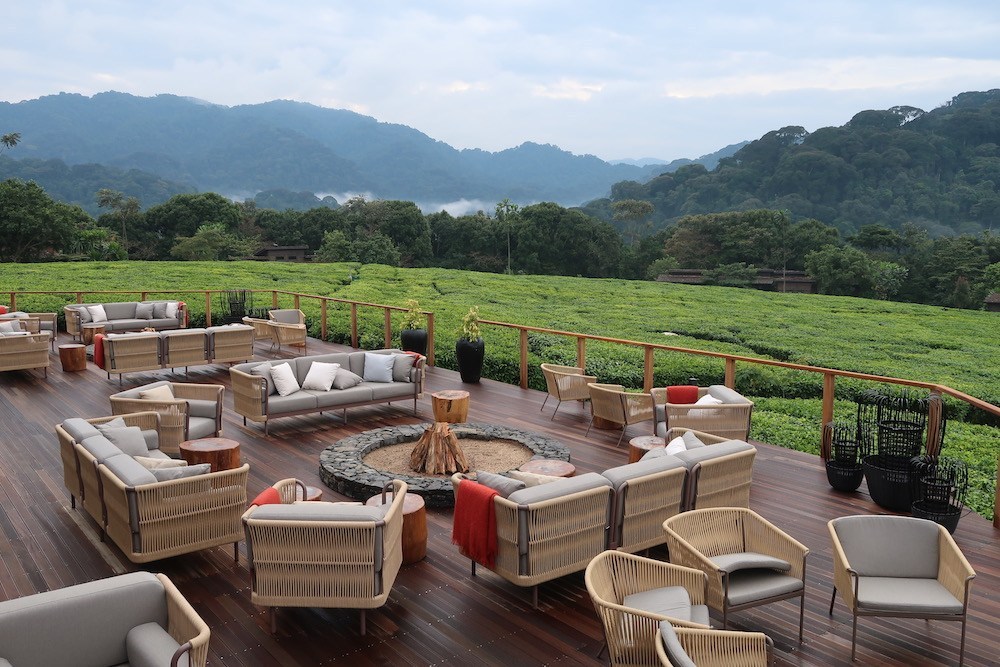
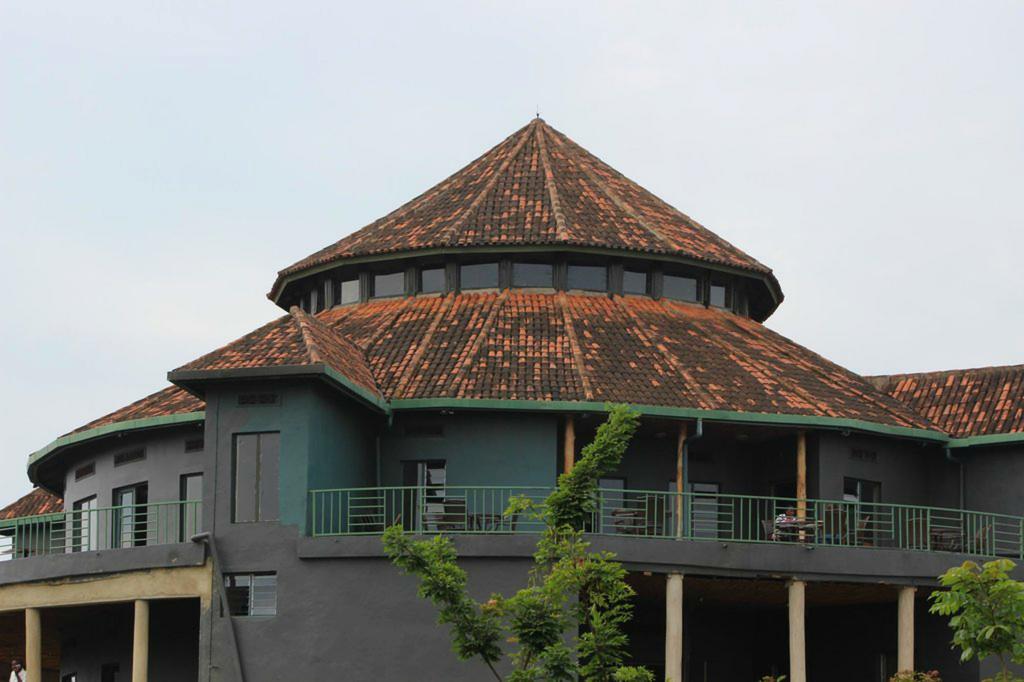
Nyungwe Forest National Park offers a variety of accommodation options, primarily located along the park’s edges.
Luxury Lodges
High-end eco-lodges with forest or valley views
Fine dining, spa services, and guided activities
Ideal for travelers seeking comfort and exclusivity
Mid-Range Lodges
Comfortable lodges with good access to park activities
Friendly service and scenic surroundings
Budget Options
Guesthouses and basic lodges in nearby towns
Suitable for budget-conscious travelers
These accommodations are designed to blend with the natural environment while supporting sustainable tourism.
Cultural Experiences and Community Engagement
Communities surrounding Nyungwe Forest play an important role in conservation. Visitors can participate in community-based tourism experiences such as:
Village walks
Traditional music and dance performances
Tea plantation visits
Handicraft demonstrations
These activities provide cultural insight while ensuring tourism revenues directly benefit local livelihoods.