
Serengeti National Park
Things To Do in Serengeti National Park
Game Drives
Spot lions, cheetahs, elephants, giraffes, zebras, and the Big Five in their natural habitat.
Bird Watching
Observe over 500 bird species including raptors, storks, and endemic birds.
Walking Safaris
Experience guided walks to explore plains, woodlands, and riverine forests up close.
Photography
Capture the stunning wildlife, savannah landscapes, and dramatic skies.
Overnight Camping
Sleep under the stars at designated campsites in the heart of the Serengeti.
River & Waterhole Visits
See hippos, crocodiles, and wildlife congregating around rivers and waterholes.
Scenic Landscapes
Enjoy vast savannahs, kopjes, and endless rolling plains perfect for photography.
Cultural Visits
Meet local Maasai communities and learn about their traditions and coexistence with wildlife.
Sunrise & Sunset Views
Experience breathtaking golden hours over the iconic Serengeti plains.
Guided Nature Walks
Learn about ecosystems, animal behavior, and plant life from expert guides.
Serengeti National Park is one of Africa’s most iconic safari destinations, celebrated worldwide for its vast savannahs, abundant wildlife, and the Great Migration. Located in northern Tanzania, the park covers approximately 14,750 square kilometers, making it one of the largest and most ecologically diverse protected areas on the continent. Serengeti is synonymous with classic African safari experiences, offering unrivaled opportunities to see lions, leopards, cheetahs, elephants, giraffes, and wildebeest in their natural habitats. Its endless plains, dotted with acacia trees and kopjes (rocky outcrops), create a dramatic and photogenic backdrop, attracting wildlife enthusiasts, photographers, and travelers from around the globe.
Location and General Overview
Serengeti National Park is located in northern Tanzania, bordering Kenya’s Maasai Mara National Reserve to the north. The park was established in 1951 to conserve the region’s wildlife and ecosystems and forms part of the larger Serengeti-Mara Ecosystem, which spans nearly 30,000 square kilometers. The park’s name, derived from the Maasai word “Siringet”, means “endless plains,” perfectly describing the park’s vast landscapes. Serengeti is divided into distinct ecological zones, including Seronera, Western Corridor, Northern Serengeti, and Southern Serengeti, each offering unique wildlife viewing experiences and habitats for different species.
Landscapes and Ecosystems
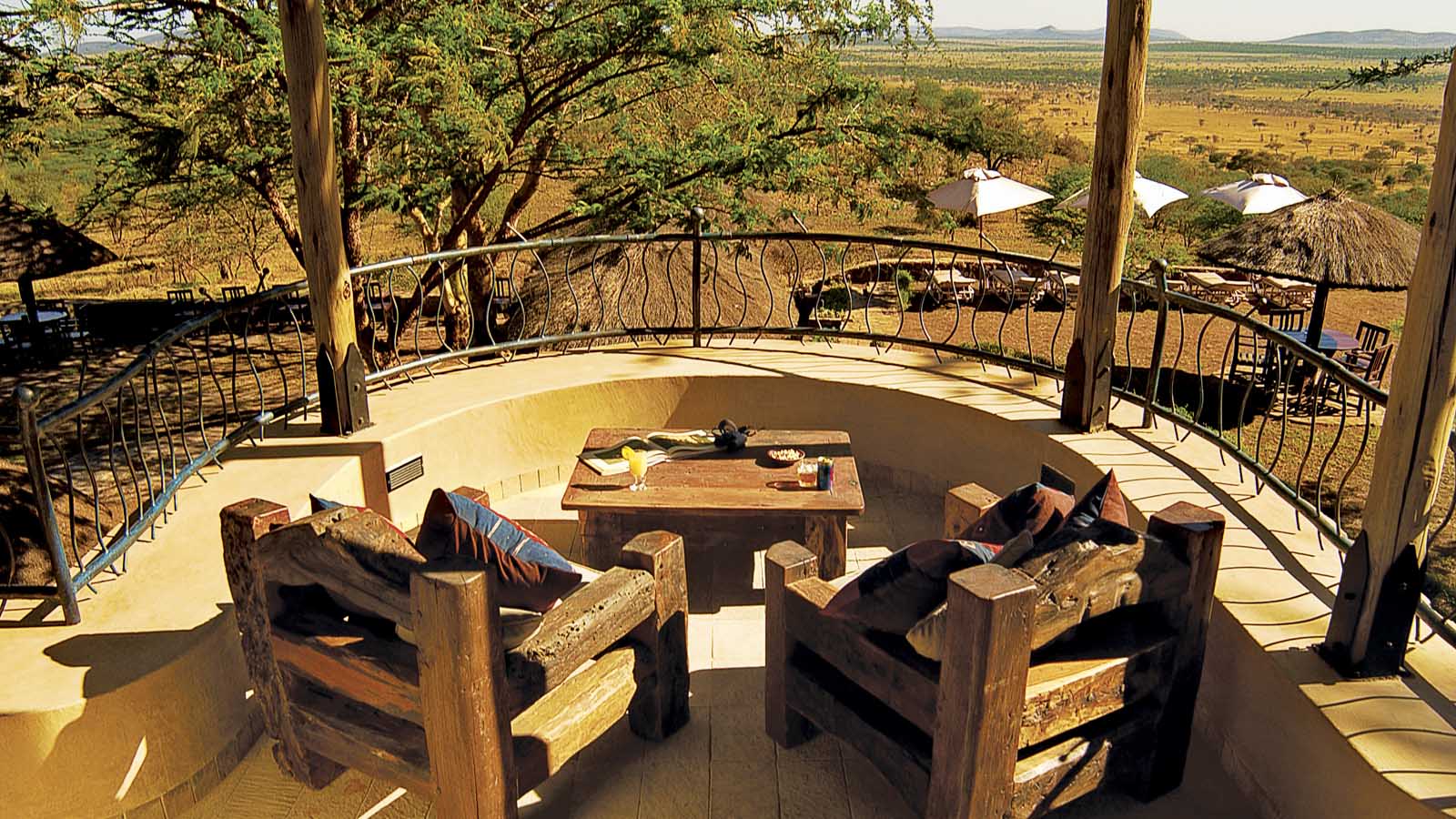
The Serengeti landscape is characterized by expansive savannahs, rolling hills, riverine forests, kopjes, and seasonal wetlands. The park’s Serengeti Plains offer endless views of grasslands dotted with acacia trees, perfect for observing grazing herbivores and stalking predators. The kopjes provide shelter for leopards, lions, and rock hyraxes, while rivers and seasonal floodplains support hippos, crocodiles, and waterbirds. The Western Corridor and Northern Serengeti are home to riverine forests and wetlands that attract elephants, buffaloes, and migratory birds. Serengeti’s diverse ecosystems make it one of the most important wildlife habitats in Africa.
Wildlife Diversity
Serengeti National Park is home to a staggering array of wildlife, including the Big Five (lion, elephant, buffalo, leopard, rhino) and numerous other species:
Herbivores: Wildebeest, zebras, gazelles, giraffes, elephants, and buffaloes
Predators: Lions, cheetahs, leopards, hyenas, and wild dogs
Smaller mammals: Jackals, warthogs, servals, and mongooses
The park is also famous for its Great Migration, a spectacular annual movement of over 1.5 million wildebeest, accompanied by zebras and gazelles, following seasonal rains between the Serengeti and Maasai Mara. This natural phenomenon is considered one of the Seven Wonders of the Natural World and attracts visitors seeking unforgettable wildlife spectacles.
Birdlife
Serengeti National Park hosts over 500 bird species, making it a haven for birdwatchers. Highlights include Secretary birds, kori bustards, lilac-breasted rollers, and African fish eagles, as well as migratory species that seasonally inhabit the park. The combination of open plains, riverine forests, and wetlands creates ideal habitats for both terrestrial and aquatic birds. Early morning and late afternoon provide the best birdwatching opportunities, when birds are most active and wildlife is abundant along riverbanks and waterholes.
Safari Activities and Visitor Experiences
Serengeti National Park offers a variety of safari experiences, catering to different interests and budgets:
Game drives: Morning and afternoon drives across different ecological zones
Walking safaris: Guided walks in designated areas to explore smaller wildlife and plants
Hot air balloon safaris: Offering aerial views of wildlife and the plains, particularly during the Great Migration
Photography safaris: Iconic landscapes and wildlife provide unparalleled photo opportunities
Visitors can combine safari experiences with cultural visits to Maasai villages, learning about traditional lifestyles and supporting community initiatives.
Climate and Best Time to Visit
The Serengeti enjoys a tropical savannah climate, with average temperatures ranging from 20°C to 30°C. There are two rainy seasons: short rains (October–December) and long rains (March–May). The dry seasons from June to October and January to February are the best times for wildlife viewing, as animals concentrate around permanent water sources and the plains are more accessible. The timing of the Great Migration varies by year, with the Northern Serengeti hosting river crossings from July to September, offering spectacular predator-prey interactions.
Why Visit Serengeti National Park?
Serengeti National Park is a must-visit destination for anyone seeking classic African safari experiences. From witnessing lion prides hunting on the plains to seeing millions of wildebeest migrating, the park offers unparalleled opportunities for wildlife encounters, photography, and adventure. Its endless landscapes, diverse ecosystems, and extraordinary biodiversity make it one of the most iconic and rewarding safari destinations in Africa. Whether you are a first-time safari-goer or a seasoned wildlife enthusiast, Serengeti promises memorable, once-in-a-lifetime experiences.