
Tarangire National Park
Things To Do in Tarangire National Park
Game Drives
Spot elephants, lions, giraffes, zebras, and other wildlife along the Tarangire River.
Baobab Viewing
Admire the park’s iconic baobab trees scattered across savannah landscapes.
Bird Watching
See over 550 bird species including storks, eagles, and weaver birds.
Nature Walks
Explore trails along riverbanks, woodlands, and open plains with a guide.
Photography
Capture elephants, wildlife, scenic rivers, and stunning sunsets over the plains.
River Safari
Observe wildlife congregating around the Tarangire River, especially during dry season.
Camping
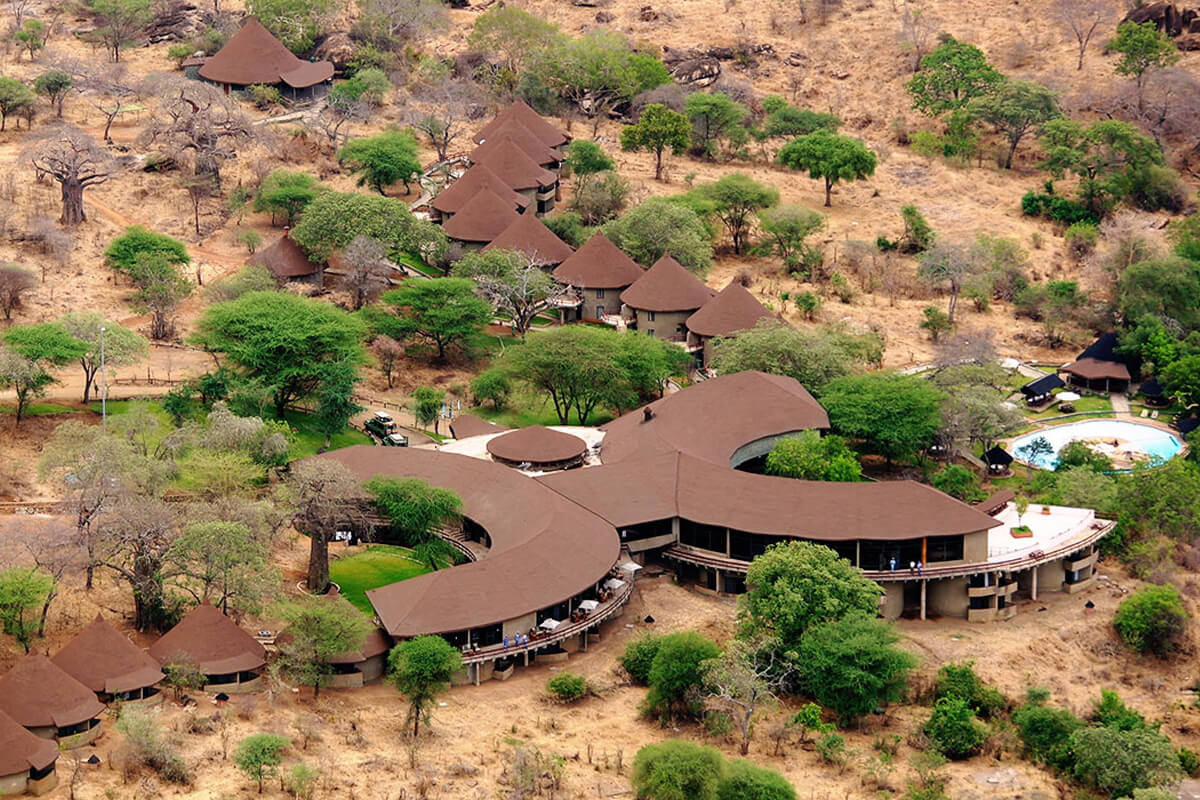
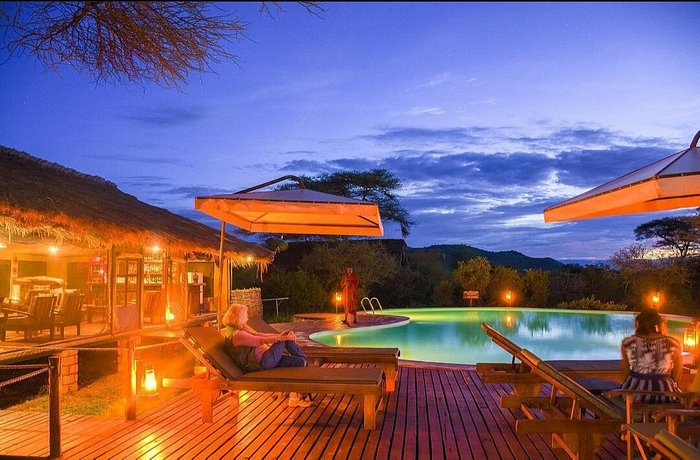
Stay at lodges or campsites for a full wilderness experience in the park.
Cultural Visits
Engage with local Maasai communities and learn about their traditions and conservation efforts.
Sunrise & Sunset Viewing
Experience magical golden hours over the savannah and river plains.
Guided Walks
Learn about flora, fauna, and park history with expert guides.
Tarangire National Park is one of Tanzania’s most enchanting and wildlife-rich parks, famous for its vast herds of elephants, ancient baobab trees, and seasonal riverine landscapes. Covering approximately 2,850 square kilometers, the park is situated in northern Tanzania and offers a less-crowded safari experience compared to Serengeti and Ngorongoro, making it ideal for travelers seeking tranquility and authentic wildlife encounters. Tarangire is especially known for its elephant migrations during the dry season, where thousands gather along the Tarangire River, creating one of the most spectacular wildlife spectacles in East Africa.
Location and General Overview
Tarangire National Park is located in Manyara Region, about 120 kilometers southeast of Arusha, making it highly accessible for travelers visiting northern Tanzania’s safari circuit. The park was gazetted in 1970 to protect its rich wildlife and seasonal wetlands. It is named after the Tarangire River, the lifeline of the park, which sustains wildlife throughout the dry season. Tarangire’s proximity to other northern circuit parks such as Lake Manyara, Ngorongoro Crater, and Serengeti allows travelers to combine it with multi-day safaris for a diverse experience.
Landscapes and Ecosystems
Tarangire National Park is renowned for its diverse landscapes, including open savannah plains, acacia woodlands, dry riverbeds, seasonal swamps, and striking baobab groves. The Tarangire River, flowing year-round, is central to the park’s ecosystem, attracting wildlife during dry months when water is scarce elsewhere. The park’s baobab trees, some centuries old, provide shade, striking scenery, and nesting sites for birds. Rolling hills and seasonal wetlands add to the park’s scenic diversity, making it highly photogenic and a favorite destination for landscape and wildlife photography.
Wildlife of Tarangire National Park
Tarangire is particularly famous for its large elephant populations, often exceeding 5,000 individuals during peak season. Visitors can also see lions, leopards, cheetahs, African wild dogs, buffaloes, giraffes, zebras, impalas, kudu, and Grant’s gazelles. Predators thrive due to the abundance of prey, particularly along riverbanks. The park’s diverse habitats also support smaller mammals such as warthogs, bushbucks, and various primates. Wildlife viewing is excellent throughout the year, though the dry season (June–October) offers the most concentrated and accessible sightings.
Birdlife
With over 550 recorded bird species, Tarangire National Park is a birdwatcher’s haven. Wetlands and riverine forests attract waterbirds like herons, egrets, storks, and pelicans, while open savannahs host raptors, hornbills, and colorful species like the Lilac-breasted Roller. Migratory birds also visit during certain seasons, enhancing the park’s avian diversity. Early mornings and late afternoons provide the best birding opportunities, with vibrant activity along riverbanks and lakes.
Activities and Visitor Experiences
Tarangire offers classic safari experiences with a focus on wildlife viewing and photography:
Game drives across open plains and riverine forests
Walking safaris in designated areas
Birdwatching tours along the Tarangire River
Photography safaris capturing elephants among baobabs and stunning sunsets
Visitors can combine their Tarangire safari with nearby Ngorongoro Crater and Lake Manyara National Park for a complete northern Tanzania wildlife experience. The park’s low visitor density ensures peaceful and intimate encounters with wildlife.
Climate and Best Time to Visit
Tarangire National Park has a semi-arid climate, with temperatures ranging from 20°C to 30°C. The dry season from June to October is ideal for wildlife viewing, as animals congregate along the Tarangire River and water sources are limited elsewhere. The rainy seasons (March–May and November–December) transform the park into lush green landscapes, but wildlife is more dispersed, making sightings less predictable. Early mornings and late afternoons offer cooler temperatures and optimal lighting for photography.
Why Visit Tarangire National Park?
Tarangire National Park offers travelers a spectacular, less-crowded safari experience, featuring large elephant herds, dramatic baobab trees, and diverse wildlife in a stunning landscape. Its combination of open plains, riverine forests, and seasonal wetlands provides excellent game viewing and photographic opportunities, especially during the dry season. For those seeking an authentic, immersive northern Tanzania safari, Tarangire delivers tranquil wilderness, unforgettable wildlife encounters, and a true sense of Africa’s natural splendor.