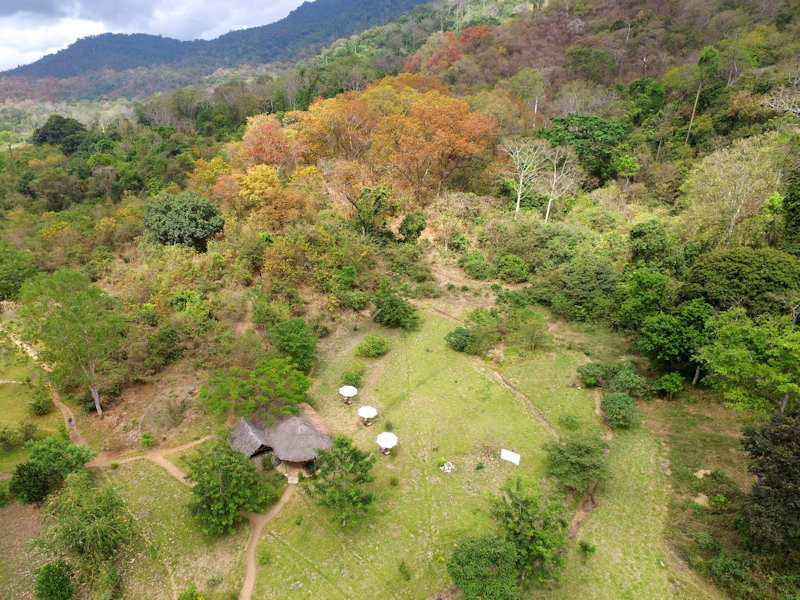

Udzungwa Mountains National Park
Things To Do in Udzungwa Mountains National Park
Primate Tracking
Spot endangered primates such as the Sanje mangabey and Udzungwa red colobus monkeys.
Hiking & Trekking
Explore lush forests, valleys, waterfalls, and mountainous trails with guided hikes.
Waterfall Visits
Discover spectacular waterfalls deep within the park, perfect for photography and nature walks.
Bird Watching
Observe over 400 bird species, including endemic and rare forest species.
Photography
Capture forest scenery, waterfalls, primates, and panoramic mountain views.
Scenic Landscapes
Admire dense forests, deep valleys, and the majestic Udzungwa mountain ranges.
Camping & Lodging
Stay in eco-lodges or campsites near forest trails for an immersive wilderness experience.
Sunrise & Sunset Views
Enjoy stunning sunrises and sunsets over mountains and forested valleys.
Guided Nature Walks
Learn about Udzungwa’s rich biodiversity, ecosystems, and conservation efforts with expert guides.
Cultural Experiences
Engage with local communities to learn about traditional practices and conservation initiatives.
Udzungwa Mountains National Park is one of Tanzania’s most ecologically diverse and scenic national parks, famed for its mountain forests, endemic species, and spectacular waterfalls. Covering approximately 1,990 square kilometers, it is located in south-central Tanzania, forming part of the Eastern Arc Mountains, a region recognized globally for its rich biodiversity and high levels of endemism. The park is ideal for travelers seeking hiking, primate trekking, birdwatching, and forest exploration in a lush and remote wilderness, offering a distinct experience compared to Tanzania’s more open savannah parks.
Location and General Overview
Udzungwa Mountains National Park is situated in Iringa and Morogoro regions, roughly 200 kilometers from Iringa town and 325 kilometers southwest of Dar es Salaam. It was established in 1992 to protect the region’s unique montane forests, rare wildlife, and critical water catchments. The park is part of the Eastern Arc Mountains biodiversity corridor, linking several forest reserves. Its remote location and rugged terrain make it a haven for ecotourism and adventure travelers, while also preserving critical habitats for endemic plants and animals.
Landscapes and Ecosystems
The park’s landscapes are dominated by steep mountains, dense tropical forests, rivers, valleys, and waterfalls. Elevations range from 250 meters to over 2,500 meters above sea level, creating diverse microclimates and ecosystems. Udzungwa’s forests include lowland, sub-montane, and montane zones, supporting unique flora such as giant ferns, orchids, and endemic trees. The Sanje River Gorge and waterfalls are major highlights, offering scenic hiking opportunities. The park’s combination of mountains, forested valleys, and river systems provides a sanctuary for both wildlife and botanists.
Wildlife of Udzungwa Mountains National Park
Udzungwa Mountains National Park is renowned for its rich and endemic wildlife, particularly primates:
Sanje mangabey and Udzungwa red colobus, species found only in this region
A variety of other primates, including vervet monkeys, blue monkeys, and olive baboons
Elephants, leopards, bushbucks, and giant forest hogs
Numerous small mammals, reptiles, and amphibians
The park’s forests and rivers create habitats for rare and endemic species, making Udzungwa a hotspot for wildlife researchers and conservationists.
Birdlife
Udzungwa Mountains National Park is a birdwatcher’s paradise, with over 400 species recorded, including endemic and rare species. Forested slopes host turacos, hornbills, and sunbirds, while river valleys attract kingfishers, bee-eaters, and African fish eagles. The variety of habitats—from dense montane forests to open valleys—ensures a diverse birding experience, rewarding both casual observers and avid birdwatchers.
Activities and Visitor Experiences
Udzungwa offers adventurous and ecotourism-focused activities:
Hiking and trekking along forest trails to waterfalls and scenic viewpoints
Primate trekking, observing endemic species in their natural habitat
Birdwatching tours, exploring diverse forest and river habitats
Nature photography, capturing landscapes, wildlife, and endemic flora
Visitors can combine forest walks with cultural encounters in nearby villages, enhancing understanding of local ecosystems and communities.
Climate and Best Time to Visit
Udzungwa Mountains National Park experiences a tropical montane climate, with temperatures ranging from 15°C to 28°C. Rainfall occurs mainly during long rains from March to May and short rains in November and December. The dry season from June to October is ideal for hiking, wildlife observation, and trekking to waterfalls, as trails are more accessible and visibility is high. Visitors should bring sturdy hiking shoes, insect repellent, rain gear, and layered clothing for varied elevations.